iPhone 16e vs Nokia G22

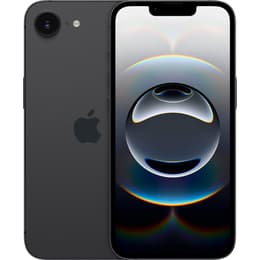
iPhone 16e
iPhone 16e
Starting at

Refurbished price:A$838.00

Versus A$999.00 new

See options
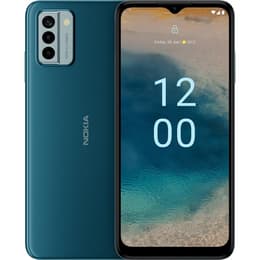
Nokia G22
Nokia G22
See options

The iPhone 16E, released in February 2025, and the Nokia G22, launched in February 2023, represent distinct approaches to smartphone design and functionality. While the iPhone 16E focuses on delivering a refined and powerful experience within the Apple ecosystem, the Nokia G22 prioritizes user repairability and extended battery life within the Android platform. These differences cater to varying user needs, from those seeking advanced performance and integrated services to individuals valuing longevity through self-maintenance.

Scores

Durability

The practical lifespan of a smartphone is influenced by its physical resilience, software support, and ease of repair. Both devices offer different strengths in these areas.

  • Release Timeline and Software Support: The iPhone 16E, being a 2025 release, benefits from Apple's typically long software support, expected to receive iOS updates for many years, extending its functional life. The Nokia G22, released in 2023, launched with Android 12 and is promised two major OS upgrades and three years of security updates, offering a more limited software longevity compared to its counterpart.
  • Physical Durability: The iPhone 16E features a Ceramic Shield front cover and an IP68 rating for dust and water resistance, indicating robust protection against environmental factors. The Nokia G22 comes with Corning Gorilla Glass 3 for screen protection and an IP52 rating, providing splash and dust resistance.
  • Repairability: A key differentiator for the Nokia G22 is its QuickFix design, developed in partnership with iFixit, which allows users to easily replace components like the battery, screen, and charging port with readily available parts and guides. The iPhone 16E has also shown improvements in repairability compared to earlier iPhone models, featuring an electrically assisted battery removal process.

Release year

2025

2023

Operating system

iOS

Android

Foldable

No

No

Performance

Performance is a critical aspect for daily smartphone use, impacting everything from app responsiveness to demanding tasks.

  • Processing Power: The iPhone 16E is equipped with an advanced A18 chip, featuring a 6-core CPU and a 16-core Neural Engine, which enables smooth operation for demanding applications, complex multitasking, and advanced AI features. The Nokia G22 utilizes a Unisoc T606 octa-core processor, which handles everyday tasks adequately but may exhibit noticeable lag when opening heavier applications or during intensive use.
  • Multitasking and Storage: With 8GB of RAM, the iPhone 16E offers substantial capacity for running multiple applications simultaneously without performance degradation. The Nokia G22 typically comes with 4GB of RAM, which is suitable for general use but can be a limiting factor for extensive multitasking. For storage, the iPhone 16E offers internal options up to 512GB, while the Nokia G22 provides 64GB or 128GB internal storage, with the added flexibility of microSD card expansion up to 2TB.
  • Battery Performance: The iPhone 16E features a 4005 mAh battery, optimized by its efficient chip and modem, often providing up to two days of use for many users. The Nokia G22 houses a larger 5050 mAh battery, which is a significant advantage for users prioritizing extended usage, often delivering up to two days of battery life with typical use, and potentially three days with lighter usage.

Memory (GB)

8 GB

4 GB

Screen quality

The display is the primary interface for smartphone interaction, and both devices offer different visual experiences.

  • Display Technology and Clarity: The iPhone 16E features a 6.1-inch Super Retina XDR OLED display, providing deep blacks, vibrant colors, and high contrast. Its resolution of 2532 x 1170 pixels results in a sharp image with 460 pixels per inch. The Nokia G22 has a larger 6.52-inch IPS LCD display with an HD+ resolution of 1600 x 720 pixels, offering a clear viewing experience for everyday content.
  • Brightness and Refresh Rate: The iPhone 16E's display can reach 800 nits typical brightness and 1200 nits peak brightness for HDR content, ensuring good visibility in various lighting conditions. It operates at a standard 60Hz refresh rate. The Nokia G22 offers a 90Hz refresh rate for smoother scrolling and animations, with a typical brightness of 500 nits.
  • Design Elements: The iPhone 16E retains a notch at the top of its display for the front camera and sensors. The Nokia G22 features a V-notch design.

Resolution

2532x1170

720 x 1600

Audiovisual

Camera capabilities are a significant factor for many users, and these devices approach photography with different hardware and software configurations.

  • Rear Camera System: The iPhone 16E features a single 48MP Fusion main camera with an f/1.6 aperture and optical image stabilization, capable of capturing detailed 24MP or 48MP photos. It also offers a 12MP 2x telephoto option through sensor cropping. The Nokia G22 includes a triple camera setup with a 50MP main sensor (f/1.8 aperture), complemented by 2MP macro and 2MP depth sensors.
  • Photography Performance: The iPhone 16E leverages its powerful processor for advanced computational photography, delivering consistent image quality, though its smaller sensor may show less detail in low-light conditions compared to higher-tier models. The Nokia G22's 50MP main camera performs well in good lighting but may struggle in challenging low-light environments, and some users report the camera app can be slow to launch.
  • Front Camera and Video: For selfies, the iPhone 16E has a 12MP TrueDepth front camera with autofocus. It supports 4K video recording at various frame rates. The Nokia G22 features an 8MP front-facing camera and records video at 1080p resolution.

Front camera

TrueDepth 12MP

8 megapixels

Miscellaneous

Beyond core features, several practical elements contribute to the overall user experience and device utility.

  • Connectivity and Ports: The iPhone 16E supports 5G connectivity, Wi-Fi 6, and Bluetooth 5.3, and features a USB-C port for charging and data transfer. The Nokia G22 offers 4G connectivity, Wi-Fi 5, and Bluetooth 5.0. It also includes a USB-C port and, notably, a 3.5mm headphone jack, which is absent on the iPhone 16E.
  • Biometric Security and Other Features: The iPhone 16E utilizes Face ID for secure authentication and includes an Action Button that can be customized for quick access to various functions. It does not support MagSafe accessories. The Nokia G22 features a side-mounted fingerprint sensor for unlocking.
  • Design and Handling: The iPhone 16E has dimensions of 146.7 x 71.5 x 7.8 mm and weighs 167 grams, offering a compact and relatively light feel. The Nokia G22 is slightly larger and heavier at 165 x 76.2 x 8.5 mm and 195.23 grams. The back of the Nokia G22 is made from 100% recycled plastic.

Weight

167 oz

196 oz

Screen size (in)

6.1

6.5

Network

5G

4G

SIM card

Physical SIM + eSIM

Dual Physical SIM

Carrier compatibility

Unlocked

Unlocked

User feedback for the iPhone 16E often highlights its strong performance, excellent battery life, and capable camera system as significant advantages, providing a comprehensive iPhone experience. Some common observations include the absence of MagSafe and the retention of the notch design, which might be considerations for some users. The Nokia G22 is frequently praised for its exceptional battery longevity and its unique user-repairable design, which resonates with users seeking a more sustainable and long-lasting device. However, its performance is generally noted as being less powerful, and its camera system, while functional, may not meet the expectations of users prioritizing advanced photography.

Users prioritizing a powerful and fluid operating system, advanced camera features, and a compact design will find the iPhone 16E well-suited to their needs. Its robust performance and extended software support make it a strong contender for those seeking a device that remains current for a longer period. Conversely, individuals who value the ability to perform their own repairs, desire a significantly longer battery life between charges, and prefer the Android ecosystem will likely lean towards the Nokia G22. Its focus on repairability offers a sustainable choice for users looking to extend the physical life of their device. Both devices offer distinct advantages, catering to different priorities in the smartphone market, and considering a quality-assured refurbished option for either model can be an eco-friendly alternative.
See all articles

Our recent comparisons