iPhone
Compare models
Differences at a glance
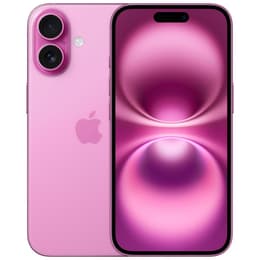
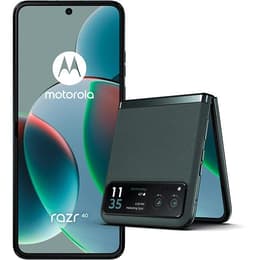
The iPhone 16, released in September 2024, and the Motorola Razr 40, launched in June 2023, represent distinct approaches to smartphone design and functionality. While the iPhone 16 offers a traditional slab form factor with Apple's iOS ecosystem, the Motorola Razr 40 provides a clamshell foldable design running on Android. Key differentiators include their physical design, operating systems, and the performance tiers they target, influencing user experience in areas like durability, processing power, and camera capabilities.
Colour
Storage
The practical lifespan of a smartphone is influenced by its physical resilience and the duration of software support it receives. These two devices offer different profiles in both aspects.
Release year
Performance is a critical aspect for daily use, affecting everything from app responsiveness to demanding tasks like gaming and multitasking. The iPhone 16 and Motorola Razr 40 cater to different performance expectations.
The display is the primary interface for user interaction, and both devices offer distinct visual experiences, influenced by their technology, size, and form factor.
Camera capabilities are a significant factor for many users, and both devices offer different strengths in photography and videography.
Beyond core features, several practical elements contribute to the overall user experience, including connectivity, physical design, and unique functionalities.
Screen size (in)
Network
SIM card
Carrier compatibility
Connector
The iPhone 16 and Motorola Razr 40 cater to different user preferences, primarily distinguished by their form factor and operating system. Users often praise the iPhone 16 for its robust performance, advanced camera system with improved low-light capabilities and spatial video, and its extended software support. Its display, while maintaining a 60Hz refresh rate, is noted for its brightness and clarity. Some users, however, might desire a higher refresh rate on the standard model. The iPhone 16's battery life is generally seen as a significant improvement over previous generations, providing reliable all-day usage for many.
The Motorola Razr 40 receives commendation for its unique, compact foldable design, which offers a blend of nostalgia and modern utility. Its main pOLED display with a 144Hz refresh rate is appreciated for its smoothness, and the external display provides convenient access to notifications and quick functions. Common criticisms for the Razr 40 often revolve around its camera performance, which, while capable, may not match the advanced computational photography of flagship devices. Additionally, its software update longevity is typically shorter compared to the iPhone. Despite these points, users generally find its battery life sufficient for a full day of use.
Users prioritizing a cutting-edge camera, long-term software support, and a powerful, consistent performance in a traditional smartphone design may find the iPhone 16 well-suited to their needs. Conversely, individuals who value a distinctive, compact foldable form factor, a high refresh rate display, and the flexibility of the Android ecosystem might lean towards the Motorola Razr 40. Both devices offer compelling features for their respective audiences. For those considering either model, exploring quality-assured refurbished options can provide an eco-friendly alternative to new purchases.