iPhone
Compare models
Differences at a glance
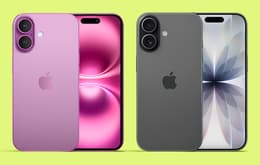
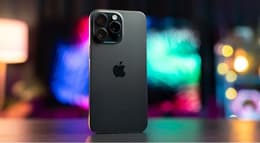
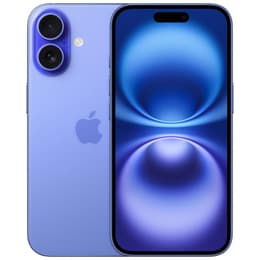
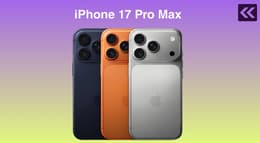
The iPhone 16 (2024) and the iPhone 17 Pro Max (2025) represent different tiers and generations within Apple's smartphone lineup, catering to distinct user preferences in size, capability, and device class. While the iPhone 16 focuses on delivering balanced everyday performance in a standard form factor, the iPhone 17 Pro Max serves as a larger, high-performance option equipped with advanced camera capabilities and expansive screen space. Both devices run on Apple's iOS platform, ensuring a familiar software experience, though hardware differences shape how each model handles demanding tasks.
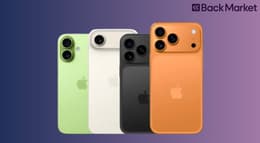
Colour
Storage (GB)
When evaluating the long-term utility of these two smartphones, both models benefit from Apple's extended software support lifecycle, though their release years introduce slight differences in total longevity. Choosing a quality-assured refurbished option provides access to these modern devices while supporting sustainable electronics consumption.
Release year
Compatible with latest Update
Foldable
Day-to-day operation and processing capabilities vary between these models, primarily driven by variations in hardware architecture, thermal management, and memory capacity.
Visual output and display characteristics differ significantly between the two devices, primarily due to physical dimensions and refresh rate technologies.
Resolution
Screen type
Photography and audio recording configurations differ notably, reflecting the distinct market positioning of a standard model versus a flagship pro tier device.
Main camera
Front camera
Physical dimensions, connectivity standards, and daily handling characteristics vary between the compact standard model and the larger flagship variant.
Weight
Screen size (in)
Network
SIM card
Carrier compatibility
Connector
User feedback from online communities highlights distinct preferences for each device based on everyday practical needs. Owners of the iPhone 16 frequently praise its comfortable, lightweight handling, balanced battery life, and straightforward daily performance without unnecessary complexity. Conversely, users of the iPhone 17 Pro Max often emphasize appreciation for the expansive screen estate, long-lasting battery capacity during heavy travel, and versatile camera zoom options for creative projects. Common criticisms for the standard model center around the lack of a high refresh rate display, while the larger device receives occasional remarks regarding its heavy physical footprint and bulky pocket presence.
Users prioritizing a lightweight, compact device for everyday communication and casual media consumption will find the iPhone 16 well-suited to their routine. Meanwhile, users who require a large viewing area, advanced camera zoom capabilities, and sustained performance for demanding tasks may lean toward the iPhone 17 Pro Max. Exploring a sustainable choice through professional refurbishment allows consumers to acquire either model with quality assurance, aligning technology needs with eco-friendly purchasing habits.