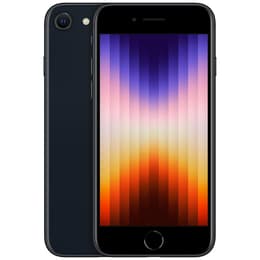

iPhone 16 Pro Max vs iPhone SE (2022)

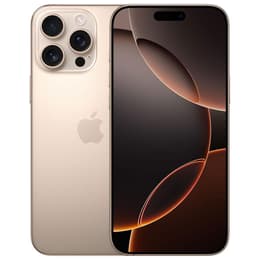
iPhone 16 Pro Max
iPhone 16 Pro Max
Starting at

Refurbished price:A$1,318.00

Versus A$2,149.00 new

See options
iPhone SE (2022)
iPhone SE (2022)
Starting at

Refurbished price:A$216.00

Versus A$719.00 new

See options

Ratings

The iPhone 16 Pro Max and the iPhone SE (2022) represent distinct offerings within Apple's smartphone lineup, catering to different user priorities. Released in September 2024, the iPhone 16 Pro Max is a high-end device featuring a large, advanced display and a sophisticated camera system. In contrast, the iPhone SE (2022), launched in March 2022, offers a more compact form factor and a classic design. The primary differentiators lie in their display technology, camera capabilities, and overall performance, reflecting their respective positions in Apple's product strategy.

Scores

Durability

When considering the longevity of these devices, their release timelines and Apple's software support policies are key factors.

  • Release Timeline: The iPhone 16 Pro Max was released in September 2024, making it a relatively recent model. The iPhone SE (2022) was released in March 2022, positioning it as an older device in Apple's current ecosystem.
  • Software Support: Apple typically provides major iOS updates for iPhones for approximately five to seven years from their release. Given its newer launch, the iPhone 16 Pro Max is expected to receive software updates for a longer duration, potentially until around 2036-2037. The iPhone SE (2022) is estimated to receive updates until approximately 2033.
  • Physical Durability: The iPhone 16 Pro Max features a titanium design and Ceramic Shield front cover, offering enhanced resistance to drops and scratches. The iPhone SE (2022) utilizes a glass front and back with an aluminum frame and strengthened glass, along with an IP67 rating for water and dust resistance. Both devices are designed to withstand everyday use, though the newer Pro Max model incorporates more advanced protective materials.

Release year

2024

2022

Compatible with latest Update

Yes

Yes

Foldable

No

No

Performance

Performance is a significant area of distinction, driven by the different processors and underlying architectures in each device.

  • Processing Power: The iPhone 16 Pro Max is equipped with a current-generation A18 Pro chip, featuring a 6-core CPU, 6-core GPU, and an advanced 16-core Neural Engine. This enables it to handle demanding applications, complex multitasking, and advanced computational tasks with considerable efficiency. The iPhone SE (2022) is powered by the A15 Bionic chip, which was also found in the iPhone 13 series. While still capable for everyday use, it represents an older generation of processing technology.
  • System Responsiveness: Users of the iPhone 16 Pro Max will experience exceptionally fluid navigation, rapid app loading, and seamless transitions, particularly with graphics-intensive games and professional applications. The iPhone SE (2022) provides a responsive experience for general tasks, web browsing, and most popular apps, but may show limitations when running the most intensive applications or engaging in heavy multitasking compared to the Pro Max.
  • Storage and Multitasking: The iPhone 16 Pro Max offers storage options up to 1TB and is rumored to include 8GB of RAM, facilitating extensive file storage and robust multitasking capabilities. The iPhone SE (2022) comes with up to 256GB of storage and 4GB of RAM, which is suitable for most users but offers less headroom for large media libraries or numerous open applications.

Memory (GB)

8 GB

4 GB

Screen quality

The visual experience differs substantially between these two models, primarily due to their display technologies and physical dimensions.

  • Display Technology and Size: The iPhone 16 Pro Max features a large 6.9-inch Super Retina XDR OLED display, offering deep blacks, vibrant colors, and excellent contrast. Its expansive, edge-to-edge design provides an immersive viewing experience. The iPhone SE (2022) has a more compact 4.7-inch Retina HD IPS LCD display, which delivers accurate colors and good brightness, but does not match the contrast or visual depth of an OLED panel.
  • Resolution and Clarity: With a resolution of 2868 x 1320 pixels at 460 pixels per inch (ppi), the iPhone 16 Pro Max offers exceptional sharpness and detail, making text and images appear crisp. The iPhone SE (2022) has a resolution of 1334 x 750 pixels at 326 ppi, which is clear for its size but less pixel-dense than the Pro Max.
  • Brightness and Refresh Rate: The iPhone 16 Pro Max boasts a ProMotion display with adaptive refresh rates up to 120Hz, resulting in smoother scrolling and more fluid animations. It also achieves high brightness levels, with up to 1000 nits typical and 3000 nits peak for outdoor visibility. The iPhone SE (2022) has a standard 60Hz refresh rate and a typical maximum brightness of 625 nits, which is adequate for most indoor and outdoor conditions but less bright than the Pro Max.

Resolution

1320 x 2868

750 x 1334

Screen type

LTPO Super Retina XDR OLED

Retina IPS LCD

Audiovisual

The camera systems represent one of the most significant upgrades in the iPhone 16 Pro Max compared to the iPhone SE (2022).

  • Rear Camera System: The iPhone 16 Pro Max features a versatile Pro camera system, including a 48MP main sensor with advanced optical image stabilization, a 48MP ultra-wide lens, and a 12MP telephoto lens capable of 5x optical zoom. This setup allows for detailed photos across various focal lengths, improved low-light performance, and advanced computational photography features. The iPhone SE (2022) is equipped with a single 12MP wide camera with optical image stabilization. It benefits from computational photography features like Smart HDR 4 and Portrait mode for human subjects, but lacks the versatility of multiple lenses and dedicated Night Mode.
  • Video Recording Capabilities: The iPhone 16 Pro Max offers extensive video recording options, including 4K Dolby Vision video at up to 120 frames per second, Cinematic mode, Action mode, and ProRes video recording. The iPhone SE (2022) can record 4K video at up to 60 frames per second, providing good quality for general use, but without the advanced features and higher frame rate options of the Pro Max.
  • Front Camera and Audio: The iPhone 16 Pro Max includes a 12MP TrueDepth front camera, supporting advanced features for selfies and video calls. The iPhone SE (2022) has a 7MP front camera, suitable for everyday selfies and video calls. Both devices offer stereo speakers, with the Pro Max generally providing a richer audio experience for media consumption.

Main camera

48 megapixels

12 megapixels

Front camera

12 megapixels

7 megapixels

Miscellaneous

Beyond core performance and display, several practical elements differentiate these two iPhone models.

  • Connectivity and Ports: The iPhone 16 Pro Max supports the latest wireless standards, including Wi-Fi 7 and advanced 5G capabilities, ensuring faster and more reliable network connections. It also features a USB-C port, aligning with modern universal charging and data transfer standards. The iPhone SE (2022) supports Wi-Fi 6 and 5G (sub-6 GHz) and utilizes Apple's proprietary Lightning connector.
  • Biometric Security and Design: The iPhone 16 Pro Max relies on Face ID for secure authentication and features a modern all-screen design with the Dynamic Island. It also introduces a new customizable Camera Control button for enhanced photography control. The iPhone SE (2022) retains the classic iPhone design with a physical Home button and Touch ID for authentication. Its compact size and familiar form factor appeal to users who prefer a smaller device.
  • Dimensions and Materials: The iPhone 16 Pro Max is a larger and heavier device, constructed with a titanium frame and Ceramic Shield front, contributing to its premium feel and durability. The iPhone SE (2022) is significantly smaller and lighter, making it easier for one-handed use and pocketability, with an aluminum frame and glass construction.

Weight

227 oz

144 oz

Screen size (in)

6.9

4.7

SIM card

Physical SIM + eSIM

Physical SIM + eSIM

Carrier compatibility

Unlocked

Unlocked

Connector

USB-C (USB 3)

Lightning

User feedback often highlights the iPhone 16 Pro Max for its expansive and vibrant display, exceptional camera capabilities, and robust performance, making it a strong choice for those who prioritize multimedia consumption, photography, and demanding applications. Common praise points include its long battery life and the immersive experience provided by its large screen. Some users, however, may find its size and weight less convenient for single-handed use.

The iPhone SE (2022) is frequently lauded for its compact form factor, the familiarity of Touch ID, and its capable performance for everyday tasks, especially considering its older design. Users appreciate its portability and the continued software support from Apple. Criticisms often revolve around its smaller, less advanced LCD display, the absence of Night Mode in its camera, and a battery life that, while improved over its predecessor, may require more frequent charging for heavy users.

Users prioritizing a large, cutting-edge display, advanced camera features, and the highest level of performance for gaming or professional tasks may prefer the iPhone 16 Pro Max. Its modern design and extended software support also appeal to those seeking a device for the long term. Conversely, users who value a compact design, the convenience of Touch ID, and a device that handles essential smartphone functions reliably will find the iPhone SE (2022) well-suited to their needs. For those considering an eco-friendly, quality-assured refurbished option, both models are available, offering a sustainable choice for different user preferences.
See all articles

Our recent comparisons