iPhone
Compare models
Differences at a glance
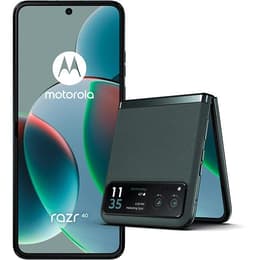
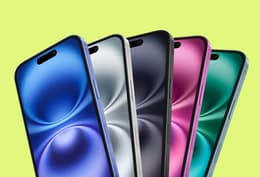
The iPhone 16 Plus, released in September 2024, represents Apple's larger-screen, standard-tier smartphone offering, running on the iOS ecosystem. In contrast, the Motorola Razr 40, launched in June 2023, is a foldable clamshell smartphone operating on Android. The primary distinction between these two devices lies in their form factor and operating system, catering to different user preferences for design and software experience.
Colour
Storage
The expected lifespan of a smartphone is influenced by its release date, software support, and physical resilience. These two devices offer different timelines and durability considerations.
Release year
Performance is a key aspect for daily smartphone use, encompassing everything from app responsiveness to multitasking capabilities and battery endurance.
The display is a primary interface for smartphone interaction, and both devices offer distinct visual experiences.
Both smartphones offer capable camera systems, but with different strengths and features tailored to their respective designs and user experiences.
Beyond core specifications, several practical elements contribute to the overall user experience and device utility.
Screen size (in)
Network
SIM card
Carrier compatibility
Connector
User feedback for the iPhone 16 Plus frequently highlights its robust performance, exceptional battery life, and the consistent quality of its camera system, particularly in good lighting conditions. Many users appreciate the larger display size without opting for the Pro Max model. Common points of discussion include the 60Hz refresh rate of the display, which some users find less fluid compared to higher refresh rate screens on other devices, and the absence of a dedicated telephoto lens found in the Pro models. [18, 21, 22, 31, 32, 34]
For the Motorola Razr 40, users often praise its distinctive foldable design, which offers a compact form factor when closed and a large screen when unfolded. The main display's high refresh rate and brightness are generally well-received. The ability to use the main cameras for selfies via the cover screen is also a noted advantage. Criticisms often revolve around its camera performance in challenging lighting conditions, dynamic range limitations, and the processor's capabilities compared to higher-end smartphones. The repairability of foldable devices, including the Razr 40, is also a consideration for some users. [10, 17, 19, 33, 35, 39]
Users prioritizing a traditional smartphone experience with a large, vibrant display, industry-leading performance, and extended battery life, coupled with long-term software support, may find the iPhone 16 Plus well-suited to their needs. Its consistent camera performance and robust build are also strong considerations. Conversely, users who value a unique, compact form factor, a high refresh rate display, and the versatility of a foldable design might lean towards the Motorola Razr 40. Its distinct aesthetic and the utility of its external display offer a different kind of smartphone interaction. Both devices can be considered as quality-assured refurbished options, providing an eco-friendly alternative for consumers.