iPhone 11 Pro vs iPhone SE (2020)

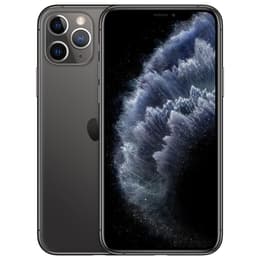
iPhone 11 Pro
iPhone 11 Pro
Starting at

Refurbished price:A$327.00

Versus A$1,029.00 new

See options
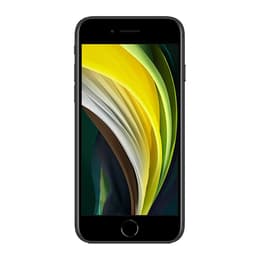
iPhone SE (2020)
iPhone SE (2020)
Starting at

Refurbished price:A$108.00

Versus A$529.00 new

See options

Ratings

The iPhone 11 Pro, released in September 2019, and the iPhone SE 2020, launched in April 2020, represent distinct approaches within Apple's smartphone lineup. While both devices share the powerful A13 Bionic chip, they cater to different user preferences through their design, display technology, and camera capabilities. The iPhone 11 Pro offers a more premium experience with an advanced screen and versatile camera system, whereas the iPhone SE 2020 provides a compact form factor with a classic design.

Scores

Durability

When considering the practical lifespan of these devices, several factors come into play, including their release timelines, software support, and physical durability.

  • Release Timeline and OS Support: The iPhone 11 Pro was released in September 2019, and the iPhone SE 2020 followed in April 2020. Both devices are powered by the A13 Bionic chip, which suggests a similar trajectory for major iOS updates. Historically, Apple provides 5-7 years of major OS upgrades for its iPhones. Given their release dates, both models are expected to receive software support for a comparable duration, likely extending for several more years from the current date.
  • Physical Durability: The iPhone 11 Pro features a glass front and back with a stainless steel frame, contributing to a more robust feel. It boasts an IP68 rating, allowing submersion in up to 4 meters of water for 30 minutes. The iPhone SE 2020, with its glass front and back and an aluminum frame, carries an IP67 rating, protecting against submersion in up to 1 meter of water for 30 minutes. Both offer good protection against dust and splashes, but the iPhone 11 Pro provides a higher degree of water resistance.
  • Expected Practical Lifespan: Users can anticipate both phones to remain functional and receive security updates for a considerable period. The choice between them for longevity might hinge more on individual handling and care, as well as the desire for the latest software features as they become available.

Release year

2019

2020

Compatible with latest Update

Yes

Yes

Operating system

iOS

iOS

Foldable

No

No

Performance

Both the iPhone 11 Pro and iPhone SE 2020 are equipped with the same core processing unit, leading to similar performance in many day-to-day tasks, though differences in RAM and battery capacity can influence the overall user experience.

  • Processor Capabilities: Both devices utilize the A13 Bionic chip, which delivers strong performance for demanding applications, multitasking, and graphics-intensive games. Users will experience smooth app loading and responsive navigation on either model.
  • RAM and Multitasking: The iPhone 11 Pro comes with 4GB of RAM, while the iPhone SE 2020 has 3GB of RAM. This difference means the iPhone 11 Pro may handle a larger number of open applications or more intensive background processes slightly more efficiently, leading to less frequent app reloading.
  • Battery Behavior: The iPhone 11 Pro features a larger 3046 mAh battery, offering significantly longer usage times compared to the iPhone SE 2020's 1821 mAh battery. Users of the iPhone 11 Pro often report comfortably getting through a full day of heavy use, while iPhone SE 2020 users may find themselves needing to recharge more frequently, especially with continuous media consumption or gaming.

Memory (GB)

4 GB

3 GB

Screen quality

The visual experience is a key differentiator between these two iPhones, primarily due to their underlying display technologies and physical dimensions.

  • Display Technology and Clarity: The iPhone 11 Pro features a 5.8-inch Super Retina XDR OLED display, which provides deep blacks, vibrant colors, and excellent contrast. Text and images appear sharp with a resolution of 2436x1125 pixels and a pixel density of 458 ppi. In contrast, the iPhone SE 2020 uses a 4.7-inch Retina HD IPS LCD display with a resolution of 1334x750 pixels and a pixel density of 326 ppi. While the SE's display is clear for its size, it does not offer the same level of contrast or color depth as the OLED panel.
  • Brightness and Viewing Experience: The iPhone 11 Pro's display can reach up to 800 nits typical brightness and 1200 nits for HDR content, making it highly visible in bright outdoor conditions and excellent for HDR media. The iPhone SE 2020 has a maximum brightness of 625 nits, which is sufficient for most indoor and outdoor use but may struggle more in direct sunlight. Both displays support True Tone and Wide Color (P3) for accurate color reproduction.
  • Screen Size and Refresh Rate: The iPhone 11 Pro offers a larger 5.8-inch screen, providing a more immersive viewing experience for videos and browsing. The iPhone SE 2020's 4.7-inch screen is more compact, favoring one-handed use. Both devices have a standard 60Hz refresh rate.

Resolution

1125 x 2436

750 x 1334

Screen type

Super Retina XDR OLED

Retina IPS LCD

Audiovisual

The camera systems on the iPhone 11 Pro and iPhone SE 2020 present significant differences, catering to varying photography needs and preferences.

  • Rear Camera System: The iPhone 11 Pro features a versatile triple-camera setup, including a 12MP Wide, a 12MP Ultra Wide, and a 12MP Telephoto lens. This allows for 2x optical zoom in and 2x optical zoom out, as well as up to 10x digital zoom. It also includes Night mode for improved low-light photography. The iPhone SE 2020, by contrast, has a single 12MP Wide rear camera. While it benefits from the A13 Bionic's computational photography for features like Portrait mode with advanced bokeh and Smart HDR, it lacks the optical zoom capabilities, Ultra Wide lens, and Night mode found on the 11 Pro.
  • Front Camera and Video Recording: Both phones are capable of recording 4K video at up to 60 frames per second. The iPhone 11 Pro has a 12MP TrueDepth front camera, while the iPhone SE 2020 has a 7MP front camera. Both support Portrait mode for selfies.
  • Audio Quality: Both devices offer stereo speakers for media consumption and good microphone quality for calls and video recording. The iPhone 11 Pro's video recording includes Audio Zoom, which matches the audio to the video framing for more dynamic sound.

Main camera

12 megapixels

12 megapixels

Front camera

12 megapixels

7 megapixels

Miscellaneous

Beyond the core performance and display, several practical elements distinguish the iPhone 11 Pro and iPhone SE 2020, impacting daily usability and interaction.

  • Connectivity and Ports: Both models support Wi-Fi 6 (802.11ax) and Bluetooth 5.0, ensuring modern wireless connectivity. Neither device supports 5G connectivity. Both utilize the Lightning port for charging and data transfer.
  • Biometric Security: A notable difference lies in their biometric authentication methods. The iPhone 11 Pro uses Face ID for secure facial recognition, enabling unlocking and secure payments. The iPhone SE 2020 retains the classic Home button with Touch ID, offering fingerprint recognition.
  • Design and Handling: The iPhone 11 Pro measures 144 x 71.4 x 8.1 mm and weighs 188 grams, featuring a stainless steel frame and a more expansive screen-to-body ratio. The iPhone SE 2020 is more compact and lighter at 138.4 x 67.3 x 7.3 mm and 148 grams, with an aluminum frame and larger bezels. The smaller size of the SE 2020 makes it easier for one-handed operation for many users.

Weight

188 oz

148 oz

Screen size (in)

5.8

4.7

Network

4G

4G

SIM card

Physical SIM + eSIM

Physical SIM + eSIM

Carrier compatibility

Unlocked

Unlocked

Connector

Lightning

Lightning

User feedback often highlights the iPhone 11 Pro's superior display and versatile camera system as its primary strengths. Many appreciate the OLED screen's vibrant colors and deep blacks, along with the flexibility offered by the triple-lens camera, especially the inclusion of Night mode and optical zoom. Common praise for the iPhone SE 2020 centers on its compact size, the familiarity of the Touch ID home button, and its robust performance for its form factor, thanks to the A13 Bionic chip.

Conversely, some users find the iPhone 11 Pro's size and weight less convenient for one-handed use compared to smaller models. For the iPhone SE 2020, frequent criticisms often point to its smaller battery capacity, which can necessitate more frequent charging for heavy users, and the limitations of its single camera system, particularly the absence of an Ultra Wide lens or Night mode.

Users prioritizing an expansive, high-quality display and a comprehensive camera system with advanced features like Night mode and optical zoom may find the iPhone 11 Pro better suited to their needs. Its longer battery life also makes it a strong contender for those who require extended usage between charges. Conversely, individuals who value a compact design, prefer the tactile feedback of a physical home button with Touch ID, and primarily use their phone for everyday tasks and casual photography will likely appreciate the iPhone SE 2020. Both devices offer reliable performance for their respective user profiles.

For those considering either model, exploring quality-assured refurbished options can provide an eco-friendly alternative, extending the life cycle of these capable smartphones.

See all articles

Our recent comparisons