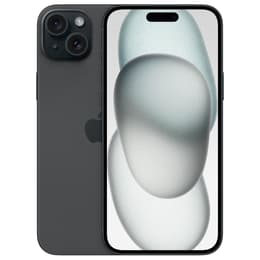
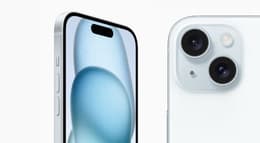
iPhone 13 mini vs iPhone 15 Plus

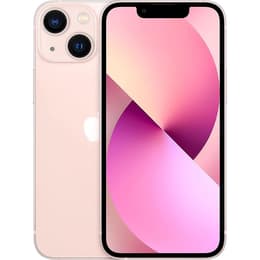
iPhone 13 mini
iPhone 13 mini
Starting at

Refurbished price:A$369.00

Versus A$1,049.00 new

See options
iPhone 15 Plus
iPhone 15 Plus
Starting at

Refurbished price:A$745.00

Versus A$1,399.00 new

See options

Ratings

The iPhone 13 Mini, released in September 2021, and the iPhone 15 Plus, launched in September 2023, represent distinct approaches within Apple's smartphone lineup. While both operate on Apple's iOS ecosystem, they cater to different user preferences primarily through their size and a two-year gap in technological advancements, leading to differences in performance, camera capabilities, and overall user experience.

Scores

Durability

When considering the longevity of these devices, several factors come into play, including their release timelines, software support, and physical durability features.

  • Release Timeline: The iPhone 13 Mini was released in September 2021, making it an older model compared to the iPhone 15 Plus, which debuted in September 2023. This two-year difference means the iPhone 15 Plus will generally receive major iOS updates for a longer period.
  • Software Support: Apple typically provides major iOS updates for approximately five to seven years from a device's release. The iPhone 13 Mini is expected to receive updates until around 2028-2030, while the iPhone 15 Plus is projected to receive updates until approximately 2035, offering a longer period of new features and security patches.
  • Durability and Repairability: Both models feature Ceramic Shield on the front for enhanced drop performance and are rated IP68 for dust and water resistance. The iPhone 13 Mini initially had a repairability score of 5/10, which improved to 6/10 with a software update. The iPhone 15 Plus, however, has a higher repairability score of 7/10, partly due to improvements in Apple's repair processes that allow for easier part replacement.

Release year

2021

2023

Compatible with latest Update

Yes

Yes

Operating system

iOS

iOS

Foldable

No

No

Performance

The internal components of a smartphone dictate its speed and efficiency, impacting everything from app loading to multitasking.

  • Processing Power: The iPhone 13 Mini is equipped with a capable processor that handles everyday tasks, app usage, and moderate gaming smoothly. The iPhone 15 Plus features a newer generation processor, providing enhanced speed and efficiency for more demanding applications, complex multitasking, and graphically intensive games.
  • System Responsiveness: Users will find both devices responsive for daily interactions. However, the iPhone 15 Plus offers a noticeable improvement in overall system fluidity, particularly when switching between numerous applications or running resource-heavy software, due to its more advanced processing unit and increased RAM. The iPhone 13 Mini has 4GB of RAM, while the iPhone 15 Plus has 6GB of RAM.
  • Storage Options: Both the iPhone 13 Mini and iPhone 15 Plus are available with 128GB, 256GB, and 512GB of internal storage, providing ample space for apps, photos, and videos depending on user needs.
  • Battery Behavior: The iPhone 13 Mini, with its compact size, offers sufficient battery life for typical daily use, though heavy users might find themselves needing to recharge before the end of the day. The iPhone 15 Plus is noted for its significantly extended battery life, often lasting through a full day of heavy use and beyond, a common praise point among users.

Memory (GB)

4 GB

6 GB

Screen quality

The display is a primary interface for any smartphone, and both models offer high-quality viewing experiences with some key distinctions.

  • Display Technology and Clarity: Both devices feature Super Retina XDR OLED displays, which deliver deep blacks, vibrant colors, and excellent contrast. The iPhone 13 Mini has a 5.4-inch display with a resolution of 2340 x 1080 pixels at 476 pixels per inch (PPI). The iPhone 15 Plus offers a larger 6.7-inch display with a resolution of 2796 x 1290 pixels at 460 PPI, providing a more expansive viewing area.
  • Brightness Levels: Both models offer strong brightness for indoor and outdoor viewing. The iPhone 13 Mini reaches a typical maximum brightness of 800 nits and a peak brightness of 1200 nits for HDR content. The iPhone 15 Plus can achieve a peak brightness of up to 2000 nits outdoors, making it more visible in direct sunlight.
  • Refresh Rate: Both the iPhone 13 Mini and iPhone 15 Plus feature a standard 60Hz refresh rate. While this provides a smooth experience for most users, those accustomed to higher refresh rate displays on other devices might notice the difference in scrolling fluidity.

Resolution

1080 x 2340

1290 x 2796

Screen type

Super Retina XDR OLED

Super Retina XDR OLED

Audiovisual

Photography and videography capabilities are central to modern smartphones, and both iPhones offer robust systems with notable advancements in the newer model.

  • Main Camera System: The iPhone 13 Mini features a dual 12-megapixel camera system, including a wide and an ultra-wide lens, capable of capturing detailed photos with good color accuracy and improved low-light performance compared to its predecessors. The iPhone 15 Plus significantly upgrades this with a 48-megapixel main camera and a 12-megapixel ultra-wide camera, offering greater detail, improved low-light performance, and a 2x optical zoom option.
  • Video Recording: Both devices support 4K video recording at various frame rates, including cinematic mode for shallow depth-of-field effects. The iPhone 15 Plus benefits from its newer processor and sensor, potentially offering more refined video stabilization and dynamic range.
  • Front Camera and Audio: Both phones include a 12-megapixel front-facing camera for selfies and video calls. The iPhone 15 Plus integrates the Dynamic Island, which houses the front camera and Face ID sensors, offering a more interactive notification and alert experience. Both provide clear microphone quality for calls and recordings, and stereo speakers for media consumption.

Main camera

12 megapixels

48 megapixels

Front camera

12 megapixels

12 megapixels

Miscellaneous

Beyond the core features, several practical elements contribute to the overall usability and experience of these smartphones.

  • Connectivity: Both the iPhone 13 Mini and iPhone 15 Plus support 5G cellular networks for fast data speeds and Wi-Fi 6 for efficient wireless internet connectivity. The iPhone 15 Plus features Bluetooth 5.3, an upgrade from the iPhone 13 Mini's Bluetooth 5.0, offering improved efficiency and range with compatible accessories.
  • Port Type: A significant differentiator is the charging and data port. The iPhone 13 Mini uses Apple's proprietary Lightning connector. The iPhone 15 Plus transitions to a USB-C port, aligning with a more universal standard for charging and data transfer.
  • Biometric Security and Sensors: Both devices rely on Face ID for secure facial recognition. They also include a suite of sensors such as accelerometers, gyroscopes, barometers, and ambient light sensors for various functionalities and user experiences.
  • Physical Design and Handling: The iPhone 13 Mini is known for its compact and lightweight design, measuring 131.5 x 64.2 x 7.65 mm and weighing 141 grams, making it ideal for one-handed use. The iPhone 15 Plus is a much larger device, with dimensions of 160.9 x 77.8 x 7.8 mm and a weight of 201 grams, offering a more expansive screen but requiring a two-handed grip for most users.

Weight

140 oz

201 oz

Screen size (in)

5,4

6.7

Network

5G

5G

SIM card

Physical SIM + eSIM

Physical SIM + eSIM

Carrier compatibility

Unlocked

Unlocked

Connector

Lightning

USB-C (USB 2)

User sentiment for the iPhone 13 Mini often highlights its unique compact form factor, with many appreciating its portability and ease of one-handed use. Users frequently praise its still-capable performance and decent camera for its size. However, a common criticism revolves around its battery life, which some heavy users find insufficient for a full day. The iPhone 15 Plus, conversely, receives widespread acclaim for its exceptional battery life and larger display, making it a strong choice for media consumption and extended use. Its upgraded camera system and the inclusion of the Dynamic Island are also frequently cited as positive aspects. The primary point of contention for the iPhone 15 Plus among some users is the 60Hz refresh rate, especially for those accustomed to smoother displays on other devices.

Users prioritizing a highly portable device that is easy to handle with one hand and fits comfortably in smaller pockets may prefer the iPhone 13 Mini. Its smaller screen is well-suited for those who primarily use their phone for communication, light browsing, and occasional media. Conversely, users who value a large display for immersive media viewing, extensive browsing, and gaming, along with significantly longer battery life, will find the iPhone 15 Plus better suited to their needs. Its enhanced camera system also appeals to those who prioritize photography and videography. Both devices offer a reliable Apple experience, and choosing between them often comes down to a preference for size and battery endurance versus ultimate portability. For those looking for a more sustainable choice, both models are available as quality-assured refurbished options.
See all articles

Our recent comparisons