
Compare models

iPhone 12 Pro vs Oppo Find X5 Lite

  • 1-year warranty
  • Free standard shipping
  • Free 30-day returns
iPhone 12 Pro
Starting at

Refurbished price:A$386.00

Versus A$1,119.00 new

See options

Differences at a glance

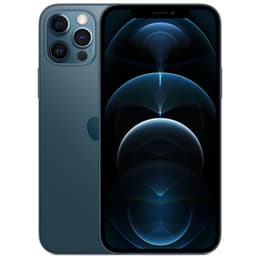
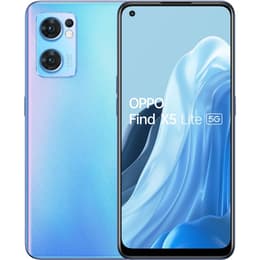
The iPhone 12 Pro (2020) and the Oppo Find X5 Lite (2022) are distinct smartphones targeting users with different platform preferences and design priorities. While the iPhone 12 Pro runs iOS within a stainless steel frame, the Oppo Find X5 Lite operates on Android layered with ColorOS inside a lightweight composite body. These devices showcase divergent approaches to everyday mobile computing and user experience.

Available Models

Colour

Storage (GB)

Scores

Durability

When examining longevity and physical durability, both models present different maintenance timelines and software support structures suited to varied user expectations.

  • Software updates: The iPhone 12 Pro benefits from Apple's extended update lifecycle, while the Oppo Find X5 Lite relies on standard Android platform update cycles.
  • Build durability: The iPhone 12 Pro utilizes textured matte glass and a stainless steel band alongside ceramic-shield front protection, whereas the Oppo Find X5 Lite features resilient glass protection and a sleek plastic frame.
  • Repairability: Both devices feature widely documented repair networks, allowing components like batteries and screens to be serviced as part of an eco-friendly, quality-assured refurbished option that extends their operational lifespan.

Release year

2020

2022

Compatible with latest Update

Yes

No

Operating system

iOS

Android

Foldable

No

No

Performance

Daily responsiveness and multitasking capabilities vary across these models due to different internal hardware architectures and operating system optimisations.

  • App execution: Both handsets handle everyday messaging, social media, and navigation apps smoothly, though heavy 3D gaming and demanding video editing run with higher sustained graphic stability on the iPhone 12 Pro.
  • Multitasking and storage: The Oppo Find X5 Lite provides generous baseline storage alongside expandable card support, while the iPhone 12 Pro relies on fixed internal storage tiers paired with high-efficiency memory management.
  • Battery behavior: Battery endurance handles moderate daily routines well on both units, though intensive streaming or navigation triggers more frequent recharges by evening on the iPhone 12 Pro due to its smaller battery capacity.

Screen quality

Visual output and display responsiveness differ significantly, influencing media consumption and outdoor readability.

  • Display technology: The iPhone 12 Pro features a Super Retina XDR OLED panel with deep contrast levels, while the Oppo Find X5 Lite uses an AMOLED screen that supports a 90Hz refresh rate for smoother scrolling.
  • Brightness and clarity: Both displays offer sharp resolution details, with the iPhone reaching higher peak brightness levels for direct sunlight viewing, while Oppo balances color saturation effectively for media streaming.
  • Screen dimensions: The iPhone 12 Pro offers a compact 6.1-inch workspace, whereas the Oppo Find X5 Lite provides a slightly larger 6.43-inch viewing area for enhanced text and video legibility.

Resolution

1170 x 2532

1080 x 2400

Screen type

Super Retina XDR OLED

AMOLED

Audiovisual

Media creation and audio playback capabilities reflect different design philosophies for capturing memories and consuming entertainment.

  • Camera versatility: The iPhone 12 Pro incorporates a triple-lens setup featuring a dedicated telephoto zoom and a depth sensor for portrait depth mapping, whereas the Oppo Find X5 Lite focuses on a high-resolution primary sensor alongside an ultra-wide and macro lens.
  • Video and low light: Low-light photography yields detailed results on both devices through dedicated night modes, while the iPhone 12 Pro excels in high-dynamic-range video recording consistency.
  • Audio output: Stereo speakers on both models deliver clear voice calls and media audio, though neither includes a traditional 3.5mm headphone jack.

Main camera

12 megapixels

64 megapixels

Front camera

12 megapixels

32 megapixels

Miscellaneous

Physical dimensions and connectivity features shape how comfortably each device integrates into daily routines and travel.

  • Handling and weight: The Oppo Find X5 Lite weighs notably less and features a slim profile that feels light in the hand, whereas the iPhone 12 Pro has a heavier, denser feel due to its metal-and-glass construction.
  • Biometrics: The iPhone 12 Pro relies on facial recognition technology, while the Oppo Find X5 Lite uses an optical in-display fingerprint sensor.
  • Connectivity: Both smartphones support modern 5G networks, Wi-Fi standards, and Bluetooth accessories for reliable wireless pairing.

Weight

187 oz

173 oz

Screen size (in)

6.1

6.43

Network

5G

5G

SIM card

Physical SIM + eSIM

Dual Physical SIM

Carrier compatibility

Unlocked

Unlocked

Connector

Lightning

USB-C

What the community thinks

Community feedback from user forums indicates that owners of the iPhone 12 Pro frequently praise its premium material build, robust video capture tools, and long-term software support stability. Common criticisms for the device focus on its relatively fast battery depletion under heavy loads and the lack of a high refresh rate screen. Conversely, users of the Oppo Find X5 Lite highlight its lightweight chassis, fast charging speeds, and smooth 90Hz display as standout advantages. Criticisms for the Oppo model typically center on its moderate gaming performance and lack of advanced water resistance ratings compared to flagship counterparts.

Users prioritizing ecosystem integration, premium build materials, and advanced video recording tools will find the iPhone 12 Pro well-suited to their requirements. Meanwhile, users prioritizing a lighter physical frame, faster replenishment times, and a smoother scrolling display may lean toward the Oppo Find X5 Lite. Choosing a sustainable choice like a quality-assured refurbished model allows buyers to acquire either device while minimizing environmental impact.