
Compare models
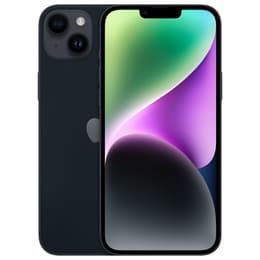
iPhone 12 Pro vs iPhone 14 Plus
- 1-year warranty
- Free standard shipping
- Free 30-day returns
Differences at a glance
The iPhone 12 Pro, released in October 2020, and the iPhone 14 Plus, launched in October 2022, represent different generations within Apple's smartphone lineup. While both devices offer a premium experience, the iPhone 14 Plus introduces a larger display and enhanced battery life, alongside updated camera capabilities and additional safety features. Both operate on Apple's iOS platform, ensuring a consistent software experience, though the 14 Plus benefits from a more recent software baseline.
Available Models
Colour
Storage (GB)
Scores
Durability
The practical lifespan of a smartphone is influenced by its release timeline, software support, and physical durability. The iPhone 12 Pro and iPhone 14 Plus offer distinct profiles in these areas.
- Release Timeline: The iPhone 12 Pro was released in October 2020, while the iPhone 14 Plus followed two years later in October 2022. This difference means the iPhone 14 Plus will likely receive software updates for a longer period, extending its functional life.
- Software Longevity: Apple typically provides several years of iOS updates. Given its later release, the iPhone 14 Plus is expected to support the latest iOS versions for approximately two years longer than the iPhone 12 Pro, offering extended access to new features and security patches.
- Physical Durability: Both models feature a Ceramic Shield front cover, designed to offer enhanced drop performance. The iPhone 12 Pro utilizes a stainless steel frame, while the iPhone 14 Plus features an aluminum design. Both devices carry an IP68 rating for water and dust resistance, allowing submersion up to 6 meters for 30 minutes.
Release year
2020
2022
Compatible with latest Update
Yes
Yes
Operating system
iOS
iOS
Foldable
No
No
Performance
Performance in daily use is a key consideration, encompassing how smoothly applications run, how efficiently the device handles multiple tasks, and its overall responsiveness. Both the iPhone 12 Pro and iPhone 14 Plus deliver capable performance, though with generational differences.
- Processing Power: The iPhone 14 Plus features a newer generation processor, which translates to faster app loading times, smoother transitions between applications, and more efficient handling of demanding tasks like advanced gaming or video editing. The iPhone 12 Pro, while still capable, offers performance suitable for everyday use and most applications.
- Multitasking and Storage: Both devices come with 6GB of RAM, allowing for efficient multitasking and keeping several apps open in the background without significant slowdowns. Both are available with storage options up to 512GB, providing ample space for apps, photos, and videos.
- Battery Behavior: The iPhone 14 Plus is equipped with a significantly larger battery, offering extended usage times. Users can expect up to 26 hours of video playback or 100 hours of audio playback on the iPhone 14 Plus, compared to up to 17 hours of video playback or 65 hours of audio playback on the iPhone 12 Pro. This difference means the iPhone 14 Plus can more comfortably last through a full day of heavy use.
Screen quality
The display is the primary interface for interacting with a smartphone, and both models offer high-quality viewing experiences with some notable distinctions in size and underlying technology.
- Display Technology and Clarity: Both the iPhone 12 Pro and iPhone 14 Plus feature Super Retina XDR OLED displays, delivering deep blacks, vibrant colors, and excellent contrast. They both offer a resolution that results in a sharp pixel density, ensuring text and images appear clear.
- Size and Viewing Experience: The iPhone 14 Plus boasts a larger 6.7-inch display, providing a more expansive canvas for media consumption, gaming, and productivity. The iPhone 12 Pro features a 6.1-inch display, which is more compact and easier for one-handed use. Both displays support HDR content with peak brightness levels suitable for outdoor visibility.
- Refresh Rate: Both devices feature a standard 60Hz refresh rate. This means the screen updates 60 times per second, providing a smooth experience for general navigation and content viewing.
Resolution
1170 x 2532
1284 x 2778
Screen type
Super Retina XDR OLED
Audiovisual
Both the iPhone 12 Pro and iPhone 14 Plus offer advanced camera systems capable of capturing high-quality photos and videos, though the newer model introduces several enhancements and a different lens configuration.
- Rear Camera System: The iPhone 12 Pro features a versatile triple 12MP camera system, including Ultra Wide, Wide, and Telephoto lenses, offering 2x optical zoom in and out, and up to 10x digital zoom. It also includes a LiDAR Scanner for improved low-light autofocus and Night mode portraits. The iPhone 14 Plus has a dual 12MP camera system with a Main and Ultra Wide lens, but lacks a dedicated telephoto lens. However, the 14 Plus benefits from a larger main camera sensor, a wider aperture, and the Photonic Engine, which significantly enhances low-light performance across all cameras.
- Photography Features: The iPhone 14 Plus introduces features like Action mode for smoother video stabilization and an upgraded front-facing camera with autofocus and improved low-light capabilities. Both models support Night mode, Deep Fusion, and Smart HDR for optimized image processing. The iPhone 12 Pro's LiDAR scanner provides depth mapping benefits for augmented reality and portrait photography.
- Video Recording: Both devices are capable of recording HDR video with Dolby Vision, with the iPhone 12 Pro supporting up to 60fps and the iPhone 14 Plus also supporting up to 60fps. The iPhone 14 Plus's Action mode provides enhanced video stabilization, particularly useful for capturing moving subjects.
Main camera
12 megapixels
12 megapixels
Front camera
12 megapixels
12 megapixels
Miscellaneous
Beyond core performance and display, several practical elements contribute to the overall user experience, including connectivity, physical design, and additional features.
- Connectivity and Ports: Both the iPhone 12 Pro and iPhone 14 Plus support 5G cellular connectivity and Wi-Fi 6 for fast wireless internet. They both utilize the Lightning connector for charging and data transfer. The iPhone 14 Plus introduces advanced safety features like Crash Detection and Emergency SOS via Satellite, which can connect to emergency services in areas without cellular or Wi-Fi coverage.
- Physical Design and Handling: The iPhone 12 Pro has a more compact 6.1-inch form factor, weighing 189 grams, with a stainless steel frame. The iPhone 14 Plus is a larger device with a 6.7-inch display, weighing 203 grams, and features an aluminum frame. The larger size of the 14 Plus offers more screen real estate but may be less comfortable for users preferring smaller devices.
- Authentication and Sensors: Both models rely on Face ID for secure facial recognition. The iPhone 12 Pro includes a LiDAR Scanner, which enhances augmented reality experiences and aids in low-light photography.
Weight
187 oz
150 oz
Screen size (in)
6.1
6.7
Network
5G
5G
SIM card
Physical SIM + eSIM
eSIM
Carrier compatibility
Unlocked
Unlocked
Connector
Lightning
Lightning
What the community thinks
User sentiment often highlights the iPhone 12 Pro's robust build quality, attributed to its stainless steel frame, and its versatile triple-camera system with the added benefit of a LiDAR scanner. Some users appreciate its more compact size compared to larger models. Criticisms sometimes point to its battery life being less substantial than newer iPhones and its older processor showing its age with the most demanding applications.
The iPhone 14 Plus is frequently praised for its significantly larger display, which enhances media consumption and gaming, and its impressive battery life, often cited as one of the best in an iPhone. Users also value the improved low-light camera performance and the introduction of safety features like Crash Detection and Emergency SOS via Satellite. Some feedback suggests that while its camera is excellent, the absence of a dedicated telephoto lens might be a consideration for those accustomed to the Pro models.
For users prioritizing a larger screen and extended battery life, along with the latest safety innovations and enhanced low-light photography, the iPhone 14 Plus presents a compelling option. Its newer processor also offers a performance edge for future-proofing. Conversely, individuals who prefer a more compact device with a premium stainless steel build and a dedicated telephoto lens for varied photographic needs might find the iPhone 12 Pro more suitable. Both devices offer a reliable iOS experience, and choosing a quality-assured refurbished option for either model provides an eco-friendly alternative.