
iPad mini 5 (2019, A12 series) vs iPad Pro (2018, A12 series)

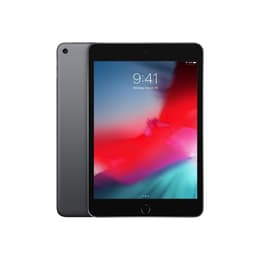
iPad mini 5 (2019, A12 series)
Starting at

Refurbished price:A$328.00

Versus A$649.00 new

See options
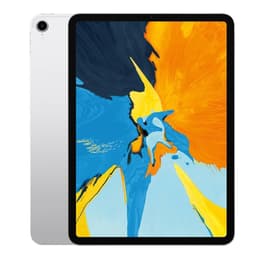
iPad Pro (2018, A12 series)
Starting at

Refurbished price:A$466.00

Versus A$949.00 new

See options

Ratings

The iPad Mini 2019 (5th generation) and the iPad Pro 2018 (3rd generation for the 11-inch model, 2nd generation for the 12.9-inch model) are both powerful tablets from Apple, released within months of each other. While the iPad Mini 2019 offers a compact and highly portable experience, the iPad Pro 2018 focuses on a larger display and enhanced capabilities for professional workflows. Both devices run on Apple's iPadOS, providing a consistent software experience, but they cater to different user needs through their distinct form factors and feature sets.

Scores

Durability

When considering the practical lifespan of these devices, both the iPad Mini 2019 and the iPad Pro 2018 benefit from Apple's consistent software support, though their release timelines mean a slight difference in their remaining update cycles.

  • Release Timeline: The iPad Pro 2018 was released in October 2018, making it slightly older than the iPad Mini 2019, which launched in March 2019. This difference of a few months means the iPad Mini 2019 may receive software updates for a marginally longer period.
  • OS Support Duration: Both devices are powered by A12-series chips, which generally receive long-term iPadOS support. As of 2026, both are still receiving major iPadOS updates, and users can expect continued support for at least another year or two, potentially extending to iPadOS 19 (released in 2025).
  • Repairability: Both models present challenges for repair, with components often glued in place, making battery replacement and other repairs difficult. Users should consider the availability of parts and professional repair services for extending their device's physical lifespan.

Release year

2019

2018

Compatible with latest Update

Yes

Yes

Operating system

iPadOS

iPadOS

Minimum system requirements (iPadOS)

iPadOS 18

iPadOS 18

Performance

Despite both devices featuring A12-series processors, there are notable differences in their performance capabilities, particularly for demanding tasks.

  • Processor Capabilities: The iPad Mini 2019 is equipped with the A12 Bionic chip, which handles everyday applications, web browsing, and casual gaming smoothly. The iPad Pro 2018, however, features the more powerful A12X Bionic chip, designed for more intensive tasks. This processor offers enhanced graphics performance and faster processing speeds, making it better suited for professional applications, advanced gaming, and complex multitasking.
  • Multitasking and Responsiveness: The iPad Mini 2019 typically comes with 3GB of RAM, sufficient for most daily use and switching between a moderate number of apps. The iPad Pro 2018, depending on the storage configuration, offers 4GB or 6GB of RAM (for the 1TB model), providing more headroom for running multiple demanding applications simultaneously and maintaining smoother overall system responsiveness.
  • Battery Behavior: Both models are designed to offer up to 10 hours of web surfing on Wi-Fi or video playback. The iPad Mini 2019 has a 19.1-watt-hour battery, while the iPad Pro 2018 has a larger battery (29.37-watt-hour for the 11-inch and 36.71-watt-hour for the 12.9-inch) to power its larger display and more powerful components. Actual battery life will vary based on usage patterns and display brightness.

Memory (GB)

3 GB

4 GB

Processor

Apple A12 Bionic

Apple A12X Bionic

Screen quality

The display is a primary differentiator between these two tablets, influencing the overall user experience significantly.

  • Display Technology and Size: The iPad Mini 2019 features a 7.9-inch Retina IPS LCD display with a resolution of 2048 x 1536 pixels, resulting in a pixel density of 326 pixels per inch (ppi). This provides a sharp and clear image for its size. The iPad Pro 2018, available in 11-inch and 12.9-inch sizes, uses a Liquid Retina IPS LCD display with resolutions of 2388 x 1668 pixels (11-inch) and 2732 x 2048 pixels (12.9-inch), both at 264 ppi. The larger screen sizes offer a more expansive viewing area.
  • Brightness and Color: Both displays support True Tone technology, which adjusts the screen's color temperature to match ambient lighting, and offer wide color (P3) for more vibrant and accurate colors. The iPad Mini 2019 has a maximum brightness of 500 nits, while the iPad Pro 2018 can reach 600 nits, providing better visibility in brighter environments.
  • Refresh Rate: A key distinction is the refresh rate. The iPad Mini 2019 has a standard 60Hz refresh rate. The iPad Pro 2018, however, features ProMotion technology, offering an adaptive refresh rate up to 120Hz. This results in smoother scrolling, more responsive touch input, and a more fluid experience, particularly noticeable in fast-paced content or when using the Apple Pencil.

Resolution

2048 x 1536

2388 x 1668

True Tone

Yes

Yes

Promotion

No

Yes

Screen type

Retina display

Liquid Retina display

Pixel density

326ppp

264ppp

Brightness

500 nits brightness

600 nits brightness

Sound quality

Speakers

Stereo speakers

Four speaker audio

Audiovisual

While tablets are not typically primary photography devices, both models offer capable camera systems for their respective purposes, with the iPad Pro 2018 providing more advanced features.

  • Rear Camera Capabilities: The iPad Mini 2019 includes an 8-megapixel rear camera with an f/2.4 aperture, capable of recording 1080p HD video. It is suitable for document scanning and casual photography. The iPad Pro 2018 features a more advanced 12-megapixel rear camera with an f/1.8 aperture, offering better low-light performance and the ability to record 4K video at up to 60 frames per second. It also includes features like Smart HDR for photos.
  • Front Camera and Biometrics: For video calls and selfies, the iPad Mini 2019 has a 7-megapixel FaceTime HD camera. The iPad Pro 2018 also has a 7-megapixel TrueDepth front camera, but it additionally supports Face ID for secure facial recognition and Portrait mode features. The iPad Mini 2019 relies on Touch ID for biometric authentication.
  • Audio Experience: The iPad Mini 2019 features stereo speakers, providing a decent audio experience for media consumption. The iPad Pro 2018 elevates this with a four-speaker audio system, delivering a richer and more immersive sound, especially when watching movies or playing games.

Miscellaneous

Beyond core specifications, several practical elements differentiate these two tablets, impacting their utility and compatibility with accessories.

  • Connectivity Options: Both devices support Wi-Fi 802.11ac and Bluetooth 5.0. Cellular models for both offer LTE connectivity.
  • Port Types: A significant difference lies in their charging and accessory ports. The iPad Mini 2019 uses the Lightning port, which is common across many older Apple mobile devices. The iPad Pro 2018 was a pioneer in adopting a USB-C port, offering greater versatility for connecting to external displays, cameras, and other peripherals, aligning it more with modern computing standards.
  • Stylus Support: The iPad Mini 2019 supports the 1st generation Apple Pencil, which charges via the Lightning port. The iPad Pro 2018 supports the 2nd generation Apple Pencil, which magnetically attaches to the side of the iPad for charging and pairing, offering a more convenient user experience.
  • Dimensions and Handling: The iPad Mini 2019 is considerably smaller and lighter, with dimensions of 203.2 x 134.8 x 6.1 mm and a weight of approximately 300.5 grams (Wi-Fi model). This makes it highly portable and easy to hold with one hand. The iPad Pro 2018 is larger and heavier, with the 11-inch model measuring 247.6 x 178.5 x 5.9 mm and weighing around 468 grams, and the 12.9-inch model being even larger. The larger size of the Pro models makes them better suited for desk-based work or two-handed use.

Weight

308 oz

468 oz

Width

13.48 in

17.85 in

Height

23.32 in

24.76 in

Depth

0.61 in

0.59 in

Screen size (in)

7.9

11

Network

Wi-Fi + 4G

Wi-Fi

Carrier compatibility

Unlocked

Without SIM Port

Wi-Fi version

Wi-Fi 6 802.11a/b/g/n/ac

Wi-Fi 6 802.11a/b/g/n/ac

Bluetooth version

Bluetooth 5.0

Bluetooth 5.0

Face ID

No

Yes

Touch ID

Yes

No

Connector

Lightning connector

USB Type-C

User feedback for the iPad Mini 2019 often praises its exceptional portability and powerful performance for its size. Many users appreciate its ability to handle demanding applications and games while remaining easy to carry, making it a favorite for reading, note-taking on the go, and casual media consumption. Criticisms sometimes point to its older design, including the larger bezels and Lightning port, compared to more modern iPads.

The iPad Pro 2018, on the other hand, is frequently lauded for its expansive Liquid Retina display with ProMotion, powerful performance for creative and professional tasks, and the versatility offered by its USB-C port and 2nd generation Apple Pencil support. Users often highlight its capability as a laptop replacement for many workflows. Some common concerns include its larger size and weight, which can impact portability for some users, and the absence of a headphone jack.

Users prioritizing a highly portable device for reading, casual gaming, and general productivity in a compact form factor may find the iPad Mini 2019 well-suited to their needs. Its smaller size makes it ideal for one-handed use and easy transport. Conversely, users who require a larger screen for creative work, detailed content consumption, or who aim to use their tablet as a primary computing device for more demanding applications may lean towards the iPad Pro 2018. Its advanced display, more powerful processor, and versatile connectivity options cater to a more professional or power-user profile. Both devices, especially as quality-assured refurbished options, offer a sustainable choice for consumers seeking reliable performance.

See all articles

Our recent comparisons