Compare models
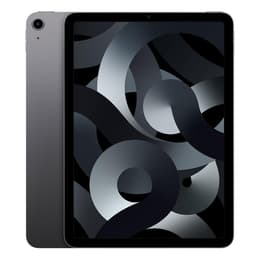
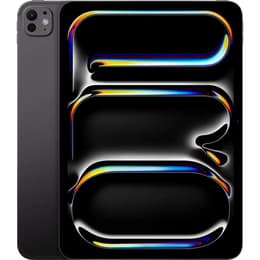
iPad Air 5 (2022, M1 series) vs iPad Pro (2025, M5 series)
- 1-year warranty
- Free standard shipping
- Free 30-day returns
Differences at a glance
The iPad Air 5 (2022) and the iPad Pro (2025) represent two different tiers of Apple's tablet lineup, offering distinct approaches to performance, features, and everyday usability. While the iPad Air 5 relies on a proven internal architecture suited for mainstream productivity and creativity, the iPad Pro (2025) integrates advanced hardware advancements to handle intensive workloads. Both devices operate on iPadOS, ensuring access to the same core application ecosystem, but their underlying capabilities cater to different user expectations.
A primary differentiator between the two models lies in their display technology and peripheral compatibility, which directly influences how they handle specialized tasks. Understanding how these hardware distinctions translate into daily use helps clarify which tablet aligns best with specific user requirements, whether for casual media consumption, academic tasks, or professional projects.
Available Models
Colour
Storage (GB)
Scores
Durability
Both tablets are built for long-term daily use, though their release years and hardware specifications influence their expected software support timelines and overall durability profiles.
- Software Support and Longevity: The iPad Pro (2025) enters the market with a more extended window for future operating system updates compared to the iPad Air 5 (2022), making it well-suited for users seeking multi-year reliability.
- Repairability and Build Quality: Both models utilize sturdy aluminum enclosures, and choosing a quality-assured refurbished option from Back Market provides a sustainable choice that extends device lifecycles while maintaining structural integrity.
- Component Wear: Daily battery degradation and thermal management over time follow standard electronics usage patterns, with newer processing architectures offering minor efficiency advantages during heavy tasks.
Release year
2022
2025
Compatible with latest Update
Yes
Yes
Operating system
iPadOS
iPadOS
Performance
System responsiveness and task management vary noticeably based on the internal configuration and thermal design of each tablet.
- Multitasking and App Loading: The iPad Air 5 handles demanding applications and multi-window workflows smoothly, while the iPad Pro (2025) provides additional overhead for intensive video editing and complex creative rendering without stutter.
- Storage and Memory Configurations: The iPad Pro offers broader storage tiers and higher baseline memory options, accommodating large local file libraries and heavy background processes more effectively than the base configurations of the older Air model.
- Battery Behavior: Both devices typically sustain a full day of mixed use, though resource-heavy tasks like 3D gaming or external monitor usage deplete the battery more quickly on the high-performance Pro model.
Processor
Apple M1
Apple M5
Screen quality
Visual output and display responsiveness represent major points of divergence between these two product tiers, impacting media viewing and creative work.
- Display Technology: The iPad Air 5 features a standard liquid crystal display with accurate colors, whereas the iPad Pro (2025) utilizes advanced panel technology with deeper contrast levels and higher peak brightness for challenging lighting environments.
- Refresh Rate and Fluidity: The iPad Pro incorporates a high-refresh-rate panel that makes scrolling and Apple Pencil input appear significantly more fluid compared to the standard refresh rate on the iPad Air.
- Screen Size Options: The iPad Air offers a single versatile screen size, while the iPad Pro line provides alternative size dimensions to accommodate users who prefer a more expansive workspace.
Resolution
2360 x 1640
2420 x 1668
True Tone
Yes
Yes
Promotion
No
Yes
Screen type
Liquid Retina display
Ultra Retina XDR display
Sound quality
Speakers
Stereo speakers
Four speaker audio
Audiovisual
Imaging hardware and multimedia output reflect the distinct target audiences for each device, balancing casual utility with advanced recording tools.
- Camera System Capabilities: The iPad Air 5 includes a straightforward single-lens rear camera adequate for document scanning and casual snapshots, while the iPad Pro (2025) features a multi-lens array with advanced depth-sensing sensors.
- Audio and Speaker Output: The iPad Pro houses a multi-speaker audio arrangement that delivers richer sound projection and broader dynamic range compared to the dual-speaker setup on the iPad Air.
- Microphone Performance: Both models incorporate studio-quality microphone arrays suitable for video calls, voice memos, and remote learning, though the Pro variant isolates ambient background noise more effectively.
Miscellaneous
Physical dimensions, connectivity standards, and accessory compatibility define the practical handling experience of each tablet.
- Connectivity and Ports: The iPad Pro includes advanced wireless communication standards and faster data transfer speeds through its physical connector interface compared to the USB-C port on the iPad Air.
- Biometric Security: The iPad Air 5 integrates a fingerprint sensor into the top power button, whereas the iPad Pro relies on facial recognition technology for authentication.
- Weight and Handling: Both models maintain slim profiles, though the larger screen variants of the iPad Pro add noticeable weight during handheld reading or extended viewing sessions.
Weight
461 oz
444 oz
Screen size (in)
10.9
11
Network
Wi-Fi
Wi-Fi
Carrier compatibility
Without SIM Port
Without SIM Port
Face ID
No
Yes
Touch ID
Yes
No
Connector
USB Type-C
USB Type-C
What the community thinks
When deciding between these two devices, actual user feedback highlights distinct preferences across different user communities. Owners of the iPad Air 5 frequently praise its balanced performance, straightforward design, and reliability for everyday web browsing, reading, and note-taking. Conversely, users of the iPad Pro often emphasize the benefits of the fluid display technology, expanded audio output, and raw processing power for creative illustration and professional media workflows. Common criticisms for the Air tend to focus on base storage limitations, while the Pro model occasionally receives remarks regarding its higher physical weight when used without a supportive case or keyboard.
Users prioritizing casual daily tasks, streaming, and schoolwork will find the iPad Air 5 well-suited to their needs. Meanwhile, users prioritizing high-refresh-rate visuals, intensive multitasking, and advanced creative applications may lean toward the iPad Pro (2025). Exploring quality-assured refurbished options on Back Market offers an eco-friendly alternative for acquiring either device while supporting sustainable consumption habits. Ultimately, the choice depends on matching specific workflow demands with the appropriate hardware capabilities.