
MacBook
Compare models
Differences at a glance
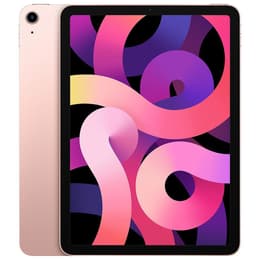
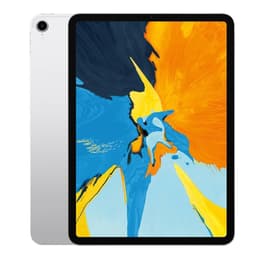
The iPad Air 2020, released in October 2020, and the iPad Pro 2018, launched in October 2018, are both powerful tablets from Apple, running on iPadOS. While the iPad Air 2020 features a more recent processor generation and a Touch ID sensor integrated into the power button, the iPad Pro 2018 distinguishes itself with a higher refresh rate display and Face ID for biometric authentication. Both devices offer a modern tablet experience, supporting Apple Pencil and external keyboards, but cater to slightly different user priorities.
Colour
Storage
The longevity of a tablet is influenced by its release timeline, software support, and physical resilience. The iPad Air 2020, released in October 2020, benefits from a more recent launch date compared to the iPad Pro 2018 (October 2018). This typically means a longer period of official software updates for the Air 2020, extending its functional lifespan for users prioritizing the latest iPadOS features and security patches [1]. While the iPad Pro 2018 continues to receive updates, some users have noted potential performance impacts with very recent iPadOS versions [10, 25, 26]. Both models feature robust aluminum enclosures. However, like many modern tablets, both generally receive low repairability scores due to extensive use of strong adhesives, making internal repairs challenging [13, 32, 42].
Release year
Compatible with latest Update
Operating system
Minimum system requirements (iPadOS)
The performance of these tablets is influenced by their internal processing power, impacting application speed and multitasking efficiency. The iPad Air 2020 features a newer generation processor, offering strong CPU and graphics capabilities for modern applications [1, 12, 19, 20, 21]. The iPad Pro 2018, with its older but powerful processor, still delivers robust multi-core processing and graphics, maintaining a responsive experience for demanding tasks [2, 4, 29].
Processor
The visual experience on these tablets is shaped by their display technology, resolution, and responsiveness. Both the iPad Air 2020 and iPad Pro 2018 feature Liquid Retina IPS LCD displays, delivering vibrant colors and clear visuals [1, 2, 4, 7, 8, 11, 12, 16, 18, 21, 24, 40, 41]. The Air 2020 has a 10.9-inch display (2360 x 1640 pixels), while the Pro 2018 offers 11-inch (2388 x 1668 pixels) or 12.9-inch options [1, 4, 7, 8, 16, 18, 24, 43]. Both include True Tone and P3 wide color support [1, 4, 7, 11, 12, 16].
Resolution
True Tone
Promotion
Screen type
Pixel density
Brightness
Speakers
The camera systems on these tablets are designed for utility, including document scanning, video calls, and casual photography. Both devices feature a 12-megapixel wide rear camera and a 7-megapixel front camera [1, 2, 3, 4, 6, 7, 9, 12, 16, 22, 24, 27].
Practical elements like connectivity, ports, and biometric security contribute significantly to the overall user experience. Both the iPad Air 2020 and iPad Pro 2018 feature a versatile USB-C port for charging, data transfer, and connecting external accessories, and both support the second-generation Apple Pencil and compatible Smart Keyboard Folio accessories [1, 2, 4, 6, 7, 12, 17, 19, 21, 24].
Weight
Width
Height
Depth
Screen size (in)
Network
Carrier compatibility
Wi-Fi version
Bluetooth version
Face ID
Touch ID
Connector
User sentiment for both the iPad Air 2020 and iPad Pro 2018 generally highlights their enduring capabilities. The iPad Air 2020 is praised for its modern design, strong performance for its class, and good battery life [1, 7, 14, 21, 23, 24, 28]. A common observation is the lack of a high refresh rate display [1, 7, 18]. The iPad Pro 2018 is frequently lauded for its powerful processor, the smooth 120Hz ProMotion display, and robust build quality, remaining highly capable for demanding creative and professional work [10, 17, 26, 29]. Some long-term users, however, report diminished battery life and occasional lag with the very latest iPadOS updates [10, 17, 25].
Users prioritizing a balance of modern design, strong general performance, and a slightly newer processor may prefer the iPad Air 2020 for productivity and media consumption. Those who value a superior display with a high refresh rate, more immersive audio, and Face ID for authentication, and who engage in graphically intensive tasks, might lean towards the iPad Pro 2018. Both models offer compelling features, and a quality-assured refurbished option can make these capable devices more accessible.