iPad Air 3 (2019, A12 series) vs iPad Pro (2018, A12 series)

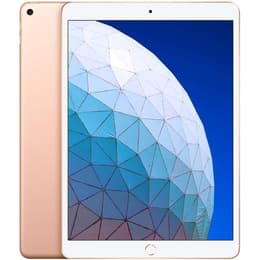
iPad Air 3 (2019, A12 series)
Starting at

Refurbished price:A$247.00

Versus A$739.00 new

See options
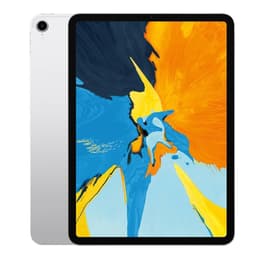
iPad Pro (2018, A12 series)
Starting at

Refurbished price:A$466.00

Versus A$949.00 new

See options

Ratings

The iPad Air 2019 (3rd generation), released in March 2019, and the iPad Pro 2018 (3rd generation for the 11-inch model, 2nd generation for the 12.9-inch model), released in October 2018, are both powerful tablets from Apple. While they share the same operating system, iPadOS, and are part of the A12 series of processors, the iPad Pro 2018 offers a more advanced display and a more capable processor variant, catering to users with more demanding needs. Both devices provide a robust tablet experience, but key differences in their hardware aim them at slightly different user profiles.

Scores

Durability

When considering the longevity of these tablets, both the iPad Air 2019 and iPad Pro 2018 offer comparable software support and physical durability, though the Pro model's slightly earlier release means its software support window may close sooner.

  • Release Timeline: The iPad Pro 2018 was released in October 2018, preceding the iPad Air 2019, which launched in March 2019. This difference in release dates means the iPad Air 2019 may receive software updates for a few months longer than the iPad Pro 2018.
  • OS Support: Both devices run iPadOS and are expected to receive updates for several years from their respective release dates. As of the current date, both are compatible with the latest iPadOS versions.
  • Repairability: Both the iPad Air 2019 and iPad Pro 2018 have received low repairability scores from independent assessments, typically around 2 out of 10. This indicates that repairs can be challenging due to the extensive use of adhesives and the integrated nature of components, making DIY repairs difficult.

Release year

2019

2018

Compatible with latest Update

Yes

Yes

Operating system

iPadOS

iPadOS

Minimum system requirements (iPadOS)

iPadOS 18

iPadOS 18

Performance

The performance capabilities of these two iPads are a significant differentiator, primarily due to their respective processors and RAM configurations.

  • Processor Capabilities: The iPad Air 2019 is equipped with the A12 Bionic chip, which delivers strong performance for everyday tasks, multitasking, and many demanding applications. The iPad Pro 2018 features the A12X Bionic chip, a more powerful variant designed for professional workloads. This difference means the iPad Pro 2018 offers enhanced processing power, particularly for intensive tasks like video editing, advanced gaming, and complex graphic design.
  • RAM and Multitasking: The iPad Air 2019 typically comes with 3GB of RAM, which is sufficient for smooth multitasking and running most applications. The iPad Pro 2018 offers 4GB of RAM in most configurations, with a 6GB option available for the 1TB storage model, providing more headroom for professional applications and heavy multitasking.
  • Storage Options: The iPad Air 2019 is available with 64GB or 256GB of internal storage. The iPad Pro 2018 offers a wider range of storage options, including 64GB, 256GB, 512GB, and 1TB, catering to users who require more space for large files and applications.

Memory (GB)

3 GB

4 GB

Processor

Apple A12 Bionic

Apple A12X Bionic

Screen quality

The visual experience on these tablets presents notable differences, particularly concerning display technology and refresh rates.

  • Display Technology: The iPad Air 2019 features a 10.5-inch Retina display, offering clear visuals and good color reproduction. The iPad Pro 2018, available in 11-inch and 12.9-inch sizes, boasts a Liquid Retina display, which includes advanced technologies for improved color accuracy and a wider color gamut.
  • Refresh Rate: A key differentiator is the refresh rate. The iPad Air 2019 has a standard 60Hz refresh rate. The iPad Pro 2018 features ProMotion technology, offering an adaptive refresh rate of up to 120Hz. This higher refresh rate provides a smoother scrolling experience and more responsive interactions, particularly noticeable during fast-paced content or when using the Apple Pencil.
  • Brightness and Clarity: The iPad Air 2019 offers a brightness of 500 nits. The iPad Pro 2018 provides a higher peak brightness of 600 nits, which can be beneficial for outdoor use or in brightly lit environments. Both displays feature True Tone technology for automatic white balance adjustment.

Resolution

2224 x 1668

2388 x 1668

True Tone

Yes

Yes

Promotion

No

Yes

Screen type

Retina display

Liquid Retina display

Pixel density

264ppp

264ppp

Brightness

500 nits brightness

600 nits brightness

Sound quality

Speakers

Stereo speakers

Four speaker audio

Audiovisual

While tablets are not typically primary photography devices, there are distinct differences in the camera and audio systems of these two models.

  • Camera System Capabilities: The iPad Air 2019 includes an 8-megapixel rear camera and a 7-megapixel front camera, suitable for casual photos, video calls, and document scanning. The iPad Pro 2018 features a more advanced 12-megapixel rear camera with a larger aperture and a 7-megapixel TrueDepth front camera. The Pro model's rear camera also supports 4K video recording, unlike the Air's 1080p limit.
  • Audio Experience: The iPad Air 2019 features stereo speakers, providing a standard audio experience for media consumption. The iPad Pro 2018 offers a quad-speaker audio system, delivering a more immersive and louder sound, which is particularly noticeable for movies, music, and gaming. The iPad Pro 2018 also includes five microphones compared to the Air's two, potentially offering clearer audio input for calls and recordings.
  • Front Camera Features: The iPad Air 2019 uses its front camera in conjunction with Touch ID for authentication. The iPad Pro 2018 integrates its front camera with the TrueDepth system, enabling Face ID for secure authentication and features like Portrait mode and Animoji.

Miscellaneous

Beyond the core performance and display, several practical elements contribute to the overall user experience of these tablets.

  • Connectivity Options: Both devices support Wi-Fi 5 (802.11ac) and Bluetooth 5.0. Cellular models for both offer 4G LTE connectivity, with eSIM support available.
  • Port Types: The iPad Air 2019 retains the Lightning port for charging and accessories, along with a 3.5mm headphone jack. The iPad Pro 2018 was a significant shift, adopting a USB-C port, which offers greater versatility for connecting to external displays, cameras, and other peripherals. It notably omits the 3.5mm headphone jack.
  • Biometric Authentication: The iPad Air 2019 features Touch ID integrated into the home button for secure unlocking and purchases. The iPad Pro 2018 utilizes Face ID, allowing for facial recognition authentication in any orientation.
  • Accessory Support: The iPad Air 2019 supports the 1st generation Apple Pencil and the Smart Keyboard. The iPad Pro 2018 supports the 2nd generation Apple Pencil, which magnetically attaches and charges wirelessly, and the Smart Keyboard Folio.

Weight

464 oz

468 oz

Width

17.41 in

17.85 in

Height

25.06 in

24.76 in

Depth

0.61 in

0.59 in

Screen size (in)

10.5

11

Network

Wi-Fi + 4G

Wi-Fi

Carrier compatibility

Unlocked

Without SIM Port

Wi-Fi version

Wi-Fi 6 802.11a/b/g/n/ac

Wi-Fi 6 802.11a/b/g/n/ac

Bluetooth version

Bluetooth 5.0

Bluetooth 5.0

Face ID

No

Yes

Touch ID

Yes

No

Connector

Lightning connector

USB Type-C

User sentiment for both the iPad Air 2019 and iPad Pro 2018 generally highlights their strong performance and reliable iPadOS experience. Users often praise the iPad Air 2019 for offering a balanced set of features for everyday use, with its A12 Bionic chip providing ample power for most tasks and its traditional Lightning port and headphone jack being appreciated by some. Common criticisms for the Air are often related to its less advanced display compared to the Pro models and its 1080p video recording limit.

The iPad Pro 2018, on the other hand, is frequently lauded for its powerful A12X Bionic chip, the fluid 120Hz ProMotion display, and the versatility of its USB-C port. However, some users noted that the immense power of the A12X chip was not always fully utilized by available software at the time of its release, and the transition to USB-C meant older accessories were incompatible. Battery life on the Pro model, while generally good, could be a concern for heavy users engaged in demanding tasks.

Users prioritizing a highly fluid visual experience, superior audio, and a more versatile port for external accessories may find the iPad Pro 2018 better suited to their needs. Its enhanced processing power also makes it a strong contender for those engaged in more demanding creative or productivity workflows. Conversely, users who value a traditional headphone jack, Touch ID, and sufficient performance for general use without needing the absolute highest specifications may find the iPad Air 2019 to be a practical choice. Both devices represent solid options, and choosing a quality-assured refurbished option can be an eco-friendly alternative for either model.


See all articles

Our recent comparisons