Compare models
Galaxy Z Fold7 vs iPhone 16
- 1-year warranty
- Free standard shipping
- Free 30-day returns
Differences at a glance
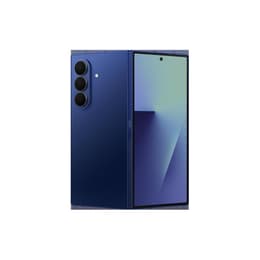
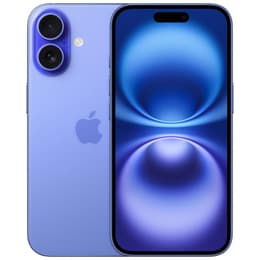
The Samsung Galaxy Z Fold7 (2025) and the Apple iPhone 16 (2024) represent two distinct visions of modern smartphone design, contrasting a book-style foldable device with a conventional slab smartphone form factor. While the Galaxy Z Fold7 provides an expansive dual-screen layout running on Android, the iPhone 16 relies on a pocket-friendly single-screen design powered by iOS. These fundamental hardware and software differences shape entirely unique daily user experiences.
Available Models
Colour
Storage (GB)
Scores
Durability
Both flagship models are built for long-term ownership, though their physical designs and software maintenance schedules introduce distinct structural considerations for everyday wear and tear.
- Software Support: Both manufacturers provide extensive multi-year update schedules, ensuring both operating systems stay secure and current for many years from their respective release dates.
- Physical Longevity: The iPhone 16 features a rigid single-plate glass and aluminum construction, whereas the Galaxy Z Fold7 utilizes a complex folding hinge mechanism and flexible internal display that require careful handling over extended periods.
- Repairability: Standard slab phones like the iPhone generally involve simpler maintenance processes, while foldable devices require specialized care for their dual-screen layouts. Choosing a quality-assured refurbished option provides a sustainable choice that extends device lifecycles while maintaining reliable performance.
Release year
2025
2024
Foldable
Yes
No
Performance
Both devices handle intensive daily operations effortlessly, though they approach multitasking, memory management, and power distribution through different hardware configurations.
- Multitasking and Apps: The Galaxy Z Fold7 features high-capacity RAM options that facilitate smooth multi-window usage, while the iPhone 16 utilizes optimized software integration to run demanding apps and background tasks efficiently.
- Battery Behavior: Daily battery consumption varies depending on screen usage; the iPhone 16 manages single-display power draw effectively throughout regular use, whereas the Galaxy Z Fold7 distributes power across both a cover screen and a much larger tablet-sized inner panel.
- System Responsiveness: Both models deliver rapid app loading speeds and fluid touch response, ensuring demanding software and casual games run without stuttering or noticeable delays.
Screen quality
Display technology forms the most striking divergence between these two devices, defining how users interact with media, documents, and web pages.
- Display Format: The iPhone 16 is equipped with a crisp, single OLED screen suited for traditional one-handed use, while the Galaxy Z Fold7 opens up into an 8.0-inch tablet-sized display alongside a wider 6.5-inch exterior cover panel.
- Outdoor Visibility: Both panels utilize advanced organic light-emitting diode technology that delivers deep contrast levels and high peak brightness modes for comfortable viewing under direct sunlight.
- Visual Immersion: The folding display offers an expansive canvas ideal for viewing split-screen apps or media, whereas the conventional screen provides a standard, uninterrupted viewing area.
Resolution
1968x2184
1179 x 2556
Audiovisual
Imaging hardware and acoustic output cater to different content capture preferences and media consumption styles.
- Camera Systems: The iPhone 16 uses a streamlined dual-lens setup focused on reliable point-and-shoot clarity, while the Galaxy Z Fold7 features a flexible triple-lens array including a high-resolution primary sensor and optical zoom capabilities.
- Video and Low Light: Both devices capture detailed video footage with stable motion handling and produce clear photographs in dim environments through automated processing assistance.
- Audio Output: Built-in stereo speakers on both models deliver clear sound for hands-free calls, video streaming, and casual media playback without requiring external speakers.
Miscellaneous
Connectivity standards, physical dimensions, and everyday utilities complete the core feature sets of these distinct mobile devices.
- Connectivity and Ports: Both models support modern high-speed mobile networks, advanced wireless local area networks, and utilize a reversible USB-Type-C port for charging and data transfers.
- Security and Sensors: Biometric authentication is handled via secure facial recognition on the iPhone 16, while the Galaxy Z Fold7 integrates a side-mounted fingerprint sensor alongside facial unlocking.
- Form Factor and Handling: The iPhone 16 offers a lightweight, narrow profile that fits easily into pockets, whereas the Galaxy Z Fold7 presents a heavier, dual-personality build that transforms from a standard phone shape into a compact tablet.
Weight
215 oz
170 oz
Screen size (in)
8.0
6.1
Network
5G
5G
SIM card
Dual Physical SIM + eSIM
Physical SIM + eSIM
Carrier compatibility
Unlocked
Unlocked
What the community thinks
User discussions across community forums frequently highlight distinct preferences regarding these two hardware approaches. Owners of the iPhone 16 often praise its reliable battery performance, lightweight handling, and straightforward operating system layout. Conversely, users frequently gravitate toward the Galaxy Z Fold7 for its expansive multi-window screen space and flexible form factor that adapts well to document reading and media viewing.
Users who prioritize productivity, split-screen multitasking, and a tablet-sized screen experience in a pocketable body will find the Galaxy Z Fold7 well-suited to their needs. Meanwhile, users who value a lightweight, traditional phone design with streamlined daily operation may lean toward the iPhone 16. Exploring a quality-assured refurbished model offers an eco-friendly alternative for acquiring either device while supporting sustainable technology consumption.