
Compare models
Google Pixel 9 Pro vs iPhone 13 mini
- 1-year warranty
- Free standard shipping
- Free 30-day returns
Differences at a glance
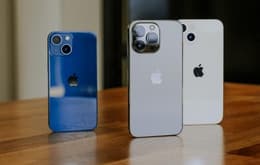
The Google Pixel 9 Pro (2024) and the iPhone 13 mini (2021) represent two distinct philosophies in modern smartphone design, catering to completely different ergonomic and functional preferences. While the Google Pixel 9 Pro delivers a contemporary large-screen experience with heavy emphasis on computational capability and multi-lens photography, the iPhone 13 mini occupies a niche space as a compact, pocket-friendly device powered by Apple's ecosystem. Operating on Android and iOS respectively, these two smartphones approach everyday computing, mobility, and user interaction through contrasting hardware and software foundations.
Available Models
Colour
Storage (GB)
Scores
Durability
When evaluating hardware longevity and software support, both devices offer extended lifespans, though their release timelines and manufacturer commitments differ significantly.
- Software support timelines: The Google Pixel 9 Pro benefits from an extended manufacturer commitment providing long-term operating system upgrades and security patches, whereas the iPhone 13 mini follows a traditional multi-year Apple software lifecycle.
- Repairability and physical maintenance: Both models feature robust build materials with standard structural durability, though finding certified replacement parts for the Google Pixel 9 Pro may differ in availability compared to Apple's globally established service network.
- Expected practical lifespan: Users selecting either device can anticipate multi-year usability, with the Google Pixel 9 Pro offering a more extended software horizon due to its newer release year.
Release year
2024
2021
Compatible with latest Update
Yes
Yes
Operating system
Android
iOS
Foldable
No
No
Performance
Underneath the exterior, both devices manage daily multi-tasking, web browsing, and demanding applications through highly optimized internal architectures.
- System responsiveness and multitasking: Both devices handle daily app switching, navigation, and streaming smoothly, though the Google Pixel 9 Pro features a larger memory allocation that assists significantly with background tasks and complex machine-learning functions.
- Battery behavior in typical use: The Google Pixel 9 Pro accommodates a larger physical battery capable of sustaining heavy daily workflows, whereas the iPhone 13 mini requires more frequent recharging due to its compact physical footprint and smaller battery capacity.
- Storage capacity configurations: Both models provide tiered internal storage options to accommodate varying media and application demands without expandable storage slots.
Screen quality
The visual interface represents one of the most drastic physical differences between these two smartphones, affecting media consumption and handling comfort.
- Display technology and clarity: Both smartphones utilize advanced OLED panels that deliver deep contrast levels, rich colors, and sharp text rendering suitable for reading and video playback.
- Brightness and outdoor visibility: The Google Pixel 9 Pro incorporates high peak brightness capabilities for clear visibility under direct sunlight, while the iPhone 13 mini performs adequately in bright environments despite a smaller maximum output.
- Refresh rate and smoothness: The Google Pixel 9 Pro features a high-refresh-rate panel ensuring fluid scrolling and motion handling, whereas the iPhone 13 mini utilizes a standard refresh rate for its screen operations.
Resolution
1280x2856
1080 x 2340
Screen type
LTPO OLED
Super Retina XDR OLED
Audiovisual
Imaging hardware and audio-visual playback capabilities vary widely, reflecting each manufacturer's approach to mobile media creation.
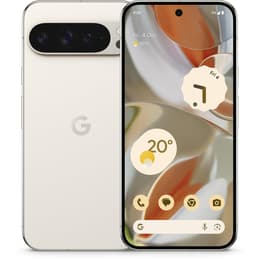
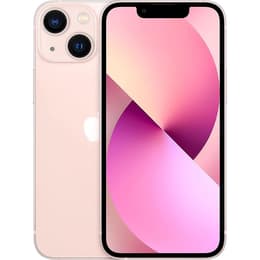
- Camera system versatility: The Google Pixel 9 Pro equips a triple-lens rear array including a dedicated telephoto zoom lens, while the iPhone 13 mini relies on a dual-lens setup consisting of a main and an ultra-wide sensor.
- Low-light and everyday photography: Both devices capture clear, detailed images in standard lighting, with computational photography algorithms enhancing shadow detail and color accuracy during challenging lighting conditions.
- Video and audio output: Both models deliver stable high-definition video recording and clear built-in stereo speaker output for casual media viewing and calls.
Main camera
50 megapixels
12 megapixels
Front camera
42 megapixels
12 megapixels
Miscellaneous
External hardware features, connectivity standards, and physical handling characteristics define the daily user experience of each device.
- Physical dimensions and handling: The Google Pixel 9 Pro provides a spacious display surface geared toward productivity, whereas the iPhone 13 mini prioritizes single-handed reachability and minimal pocket footprint.
- Biometric security and sensors: The Google Pixel 9 Pro offers both facial recognition and an under-display fingerprint sensor, while the iPhone 13 mini relies exclusively on facial recognition security.
- Connectivity and ports: Both devices support modern 5G networks, Wi-Fi standards, and Bluetooth connections, utilizing their respective proprietary or standard USB charging ports.
Weight
199 oz
140 oz
Screen size (in)
6.3
5,4
Network
5G
5G
SIM card
Physical SIM + eSIM
Physical SIM + eSIM
Carrier compatibility
Unlocked
Unlocked
What the community thinks
User feedback from online communities highlights distinct preference patterns for each device. Owners of the Google Pixel 9 Pro frequently praise its vibrant display, versatile camera system with optical zoom, and reliable battery capacity for long days away from a charger. Conversely, common discussions note its larger physical size and weight. iPhone 13 mini users frequently praise its exceptional pocketability and comfortable single-handed operation, while noting that heavy usage necessitates mid-day charging sessions.
Users prioritizing a compact form factor that fits easily into any pocket will find the iPhone 13 mini well-suited to their daily routine, while users who prioritize screen workspace, advanced zoom photography, and extended battery life will lean toward the Google Pixel 9 Pro. Shoppers looking for a quality-assured refurbished option can find both models as sustainable choices that reduce electronic waste without compromising on core functionality. Ultimately, the choice depends entirely on whether a user values a pocket-friendly physical footprint or an expansive modern display system.