
Compare models
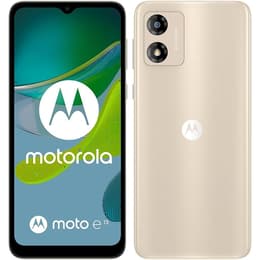
Galaxy A56 vs Motorola Moto E13
- 1-year warranty
- Free standard shipping
- Free 30-day returns
Differences at a glance
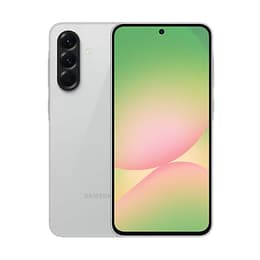
The Samsung Galaxy A56 (2025) and Motorola Moto E13 (2023) represent very different tiers within the smartphone market, catering to distinct expectations for everyday mobile computing. While the Galaxy A56 positions itself as a capable mid-range device with modern software and versatile capabilities, the Motorola Moto E13 targets entry-level users seeking fundamental communication tools. Choosing between them depends heavily on whether daily usage involves light tasks or more demanding applications.
Operating on Android ecosystems, both devices offer familiar interface layouts, though they deliver vastly different levels of system responsiveness and long-term capability.
Available Models
Colour
Storage (GB)
Scores
Durability
Durability and software support timelines differ significantly between these two models due to their release years and hardware tiers.
- Software Support: The Galaxy A56 benefits from a multi-year software update policy ensuring modern security patches and feature upgrades, whereas the Motorola Moto E13 features a more limited support window typical of entry-level devices.
- Build and Materials: The Galaxy A56 incorporates sturdier glass and metal framing for structural resilience, while the Motorola Moto E13 utilizes lightweight plastic construction that requires careful handling.
- Expected Lifespan: Users seeking a device that maintains reliable performance over several years will find the hardware headroom of the Galaxy A56 better suited for long-term ownership.
Release year
2025
2023
Operating system
Android
Android
Foldable
No
No
Performance
Processing power and multitasking behavior shape the day-to-day experience of handling apps, media, and general navigation.
- Multitasking and App Switching: The Galaxy A56 handles multiple active applications smoothly and loads demanding software without noticeable stutter, while the Motorola Moto E13 is optimized strictly for basic messaging and web browsing.
- Storage Configurations: Generous internal storage options on the Galaxy A56 accommodate large media libraries and numerous applications, whereas the Motorola Moto E13 provides minimal storage capacity requiring careful management.
- Battery Efficiency: Both devices manage daily power consumption effectively, though intense usage on the Galaxy A56 draws more energy to support its higher processing capabilities and features.
Screen quality
Display technologies vary greatly, influencing clarity, outdoor visibility, and media consumption comfort.
- Display Panel and Contrast: The Galaxy A56 utilizes an advanced organic light-emitting diode panel delivering deep black levels and vibrant color reproduction, while the Motorola Moto E13 employs a standard liquid crystal display with basic contrast ratios.
- Brightness and Outdoor Legibility: Higher peak brightness levels on the Galaxy A56 ensure screen content remains easily readable under direct sunlight compared to the dimmer display of the Motorola Moto E13.
- Refresh Rate and Motion: A high refresh rate on the Galaxy A56 provides smoother scrolling through web pages and documents, whereas the Motorola Moto E13 sticks to a standard refresh rate.
Resolution
1080x2340
720 x 1600
Audiovisual
Imaging hardware and audio output capabilities dictate how well each device captures memories and reproduces multimedia sound.
- Camera Versatility: The Galaxy A56 features a multi-lens rear camera system equipped for detailed low-light photography and steady video recording, while the Motorola Moto E13 offers a single basic rear sensor suited only for casual daytime snapshots.
- Audio Reproduction: Stereo speakers on the Galaxy A56 deliver balanced sound for casual video viewing, whereas the Motorola Moto E13 relies on a single mono speaker with limited volume range.
- Microphone Clarity: Call quality and voice memo recording benefit from advanced noise reduction on the Galaxy A56, compared to standard microphone performance on the Motorola Moto E13.
Miscellaneous
Physical dimensions, connectivity standards, and daily usability features round out the practical differences between these handsets.
- Connectivity Standards: The Galaxy A56 supports fast fifth-generation cellular networks and modern wireless protocols, whereas the Motorola Moto E13 is restricted to fourth-generation connectivity and basic wireless pairing options.
- Physical Ports: Both models utilize reversible connection ports for charging and data transfer, though the Motorola Moto E13 retains a traditional headphone jack for wired audio accessories.
- Biometric Security: Secure authentication is handled via responsive facial recognition and modern fingerprint sensors on the Galaxy A56, while the Motorola Moto E13 relies primarily on basic software face unlock features.
Weight
198 oz
181 oz
Screen size (in)
6.7
6.5
Network
5G
4G
SIM card
Physical SIM + eSIM
Dual Physical SIM
Carrier compatibility
Unlocked
Unlocked
What the community thinks
User discussions across community forums highlight distinct sentiments regarding both handsets. Owners of the Galaxy A56 frequently praise its reliable daily speed, bright display quality, and robust build, though some note that heavy gaming can cause minor warmth during extended sessions. Conversely, users of the Motorola Moto E13 appreciate its lightweight feel and straightforward setup for basic calls and text messaging, while observing that storage fills up quickly and app loading times can be sluggish.
Users prioritizing smooth multitasking, vibrant media consumption, and long-term software relevance will prefer the Galaxy A56. Meanwhile, users seeking a simple communication tool for basic tasks may find the Motorola Moto E13 adequate for their needs. Selecting a quality-assured refurbished option provides an eco-friendly alternative for acquiring either model while reducing electronic waste. Ultimately, aligning device capabilities with personal daily usage requirements ensures a satisfying long-term experience.