
Smartphones
Compare models
Differences at a glance
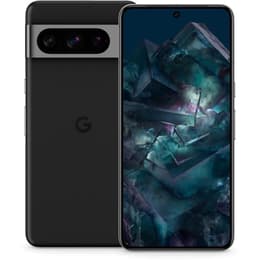
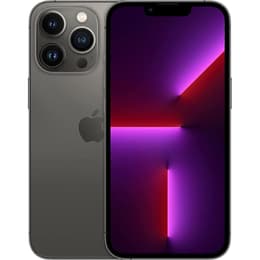
The Google Pixel 8 Pro, released in October 2023, and the iPhone 13 Pro, launched in September 2021, represent distinct approaches to high-end smartphone design and functionality. While both offer premium experiences, they differ significantly in their operating systems, core hardware, and the features they emphasize. The Pixel 8 Pro operates on Android, focusing on advanced computational photography and AI-driven features, whereas the iPhone 13 Pro runs on iOS, known for its robust ecosystem and integrated performance. These differences cater to varying user preferences, from software longevity to camera capabilities.
Colour
Storage
When considering the practical lifespan of these devices, several factors come into play, including software support, physical durability, and repairability.
Release year
Compatible with latest Update
Foldable
Performance is a key differentiator, with each device offering a powerful experience tailored by its respective manufacturer's hardware and software integration.
The display is a primary interface for smartphone interaction, and both devices offer high-quality viewing experiences with distinct characteristics.
Resolution
Screen type
Both smartphones are recognized for their advanced camera systems, employing different strategies to achieve high-quality imaging.
Main camera
Front camera
Beyond core features, several practical elements contribute to the overall user experience and daily convenience of these smartphones.
Weight
Screen size (in)
Network
SIM card
Carrier compatibility
User sentiment for the Google Pixel 8 Pro often highlights its exceptional camera capabilities, particularly its advanced AI-driven features that simplify complex photography tasks. Users also appreciate the extended software support, ensuring the device remains current for a longer period. Some common discussions revolve around its battery performance, which, while generally good, may not always surpass competitors in all scenarios. The clean Android experience and unique Pixel-exclusive features are frequently praised.
The iPhone 13 Pro is consistently lauded for its powerful and efficient performance, its reliable camera system that produces high-quality images and videos, and its premium build quality. Users often value the seamless integration within the Apple ecosystem and the consistent software experience. Some users have noted the presence of the display notch and the continued use of the Lightning port as areas where the design feels less modern compared to some newer devices.
Users prioritizing cutting-edge computational photography, a long software support window, and a larger display may find the Google Pixel 8 Pro well-suited to their needs. Conversely, those who value a compact form factor, a highly integrated ecosystem, and consistently strong performance for a wide range of tasks may lean towards the iPhone 13 Pro. Both devices offer compelling experiences, and choosing between them often comes down to individual preferences for operating system, specific features, and overall design philosophy. For those considering a more sustainable choice, both models are available as quality-assured refurbished options.