
iPhone
Compare models
Differences at a glance
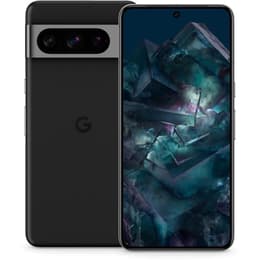
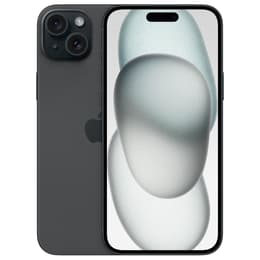
The Google Pixel 8 Pro, released in October 2023, and the iPhone 15 Plus, launched in September 2023, represent distinct approaches to the large-screen smartphone experience. Both devices offer robust performance and advanced camera systems, but they diverge significantly in their operating systems and core philosophies. The Pixel 8 Pro runs on Android 14, emphasizing AI-driven features and extensive software support, while the iPhone 15 Plus operates on iOS 17, focusing on a streamlined user experience and integration within the Apple ecosystem. Key differentiators include the Pixel's advanced computational photography suite and longer software update commitment versus the iPhone's consistent performance and integrated design.
Colour
Storage
When considering the longevity of these devices, both the Google Pixel 8 Pro and the iPhone 15 Plus offer substantial software support and durable builds, though with different timelines and repairability aspects.
Release year
Compatible with latest Update
Foldable
The performance of the Google Pixel 8 Pro and iPhone 15 Plus is optimized for their respective operating systems, offering smooth operation for everyday tasks and demanding applications.
Both devices offer large, vibrant displays, but they differ in their underlying technology and refresh rate capabilities, impacting the visual experience.
Resolution
Screen type
Both smartphones offer advanced camera systems, leveraging computational photography to deliver high-quality images and videos, though with different hardware configurations and specialized features.
Main camera
Front camera
Beyond core performance and display, several practical elements differentiate the user experience of the Google Pixel 8 Pro and the iPhone 15 Plus.
Weight
Screen size (in)
Network
SIM card
Carrier compatibility
The Google Pixel 8 Pro and iPhone 15 Plus cater to users with distinct priorities, each excelling in different areas based on user feedback and design philosophy.
Users frequently praise the Google Pixel 8 Pro for its advanced camera capabilities, particularly its AI-driven features and the versatility of its triple-lens system, including the 5x optical zoom. The extended software support of seven years is also a significant draw for those seeking long-term device relevance. The bright, adaptive 120Hz display is another commonly lauded feature. Some users, however, have reported mixed experiences with battery life, noting it can be inconsistent under heavy usage.
The iPhone 15 Plus receives consistent praise for its large, vibrant OLED display with the Dynamic Island, offering an immersive viewing experience. Its battery life is generally well-regarded, providing ample power for a full day of use. The upgraded 48MP main camera, with its 2x optical-quality zoom and advanced video features like Cinematic Mode, is also a strong point. A common point of discussion among users is the 60Hz refresh rate, which some find less fluid compared to devices with higher refresh rates.
Users prioritizing cutting-edge computational photography, extensive AI features, and the longest possible software support may find the Google Pixel 8 Pro well-suited to their needs. Its adaptive display and versatile camera system make it a strong contender for those who value innovation in mobile technology. Conversely, users who prefer a highly integrated ecosystem, consistent performance, a large and bright display, and a strong focus on video capabilities may lean toward the iPhone 15 Plus. Its streamlined user experience and reliable battery life are key decision factors.
For those considering either device, exploring quality-assured refurbished options can provide an eco-friendly alternative, offering access to these advanced technologies while supporting sustainable consumption.