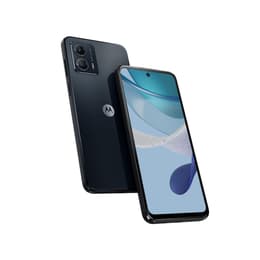

Google Pixel 7a vs Motorola Moto G53

Google Pixel 7a
Google Pixel 7a
Starting at

Refurbished price:A$337.00

Versus A$749.00 new

See options
Motorola Moto G53
Motorola Moto G53
Starting at

Refurbished price:A$203.77

Versus A$975.00 new

See options

The Google Pixel 7a (released May 2023) and the Motorola Moto G53 (released December 2022) are both Android smartphones offering distinct experiences. While the Pixel 7a focuses on advanced camera capabilities and a compact design, the Moto G53 prioritizes extended battery life and a larger display. Both devices run on the Android operating system, providing access to a wide ecosystem of applications and services.

Scores

Durability

The longevity of a smartphone is influenced by its release timeline, software support, and physical durability.

  • Release Timeline: The Google Pixel 7a was released in May 2023, making it a slightly newer device compared to the Motorola Moto G53, which launched in December 2022. This difference in release dates can impact the duration of future software support.
  • Software Longevity: Google typically provides extensive software support for its Pixel line. The Pixel 7a is guaranteed to receive five years of OS and security updates from its launch date, extending its software lifespan until at least May 2028. The Motorola Moto G53 launched with Android 13 and has a planned upgrade to Android 14, but Motorola generally offers fewer major OS updates compared to Google.
  • Physical Durability: The Pixel 7a features Corning Gorilla Glass 3 for screen protection and boasts an IP67 rating for dust and water resistance, offering a good level of protection against environmental elements. The Moto G53 has a water-repellent design with an IP52 rating, providing basic splash and dust resistance. Both devices utilize plastic in their construction, with the Pixel 7a having a plastic back and the Moto G53 featuring a plastic back and frame.

Release year

2022

2022

Compatible with latest Update

Yes

Yes

Operating system

Android

Android

Foldable

No

No

Performance

Performance in daily use is a key differentiator, affecting how smoothly applications run and how efficiently tasks are handled.

  • Processing Power: The Google Pixel 7a is equipped with a processor designed by Google, which enables smooth operation for everyday tasks, multitasking, and mobile gaming. Users generally report a fluid experience when navigating the interface and using various applications. The Motorola Moto G53 uses a processor that handles common activities like web browsing, social media, and streaming content adequately. However, some users may notice occasional stutters or slower performance with more demanding applications or intensive multitasking.
  • Multitasking and Responsiveness: With 8 GB of RAM, the Pixel 7a is well-suited for managing multiple applications simultaneously, allowing for seamless switching between them without significant slowdowns. The Moto G53 typically comes with 4 GB of RAM, which is sufficient for general use but may lead to more frequent app reloads or slight delays when juggling many applications.
  • Battery Behavior: The Pixel 7a features a 4385 mAh battery. While it can last a full day for moderate users, heavy usage, especially with demanding applications or continuous screen-on time, may require more frequent charging. The Moto G53, with its larger 5000 mAh battery, is noted for its extended battery life, often lasting well over a day and sometimes up to two days with moderate use.

Memory (GB)

8 GB

8 GB

Screen quality

The display is a primary interface for smartphone interaction, and differences in technology and specifications can significantly impact the viewing experience.

  • Display Technology and Clarity: The Google Pixel 7a features a 6.1-inch OLED display, which is known for producing deep blacks, high contrast, and vibrant colors. Its Full HD+ resolution (2400 x 1080 pixels) results in a sharp and detailed image, suitable for viewing high-resolution content. In contrast, the Motorola Moto G53 comes with a 6.5-inch IPS LCD panel. While it offers a larger viewing area, its HD+ resolution (1600 x 720 pixels) provides less sharpness and detail compared to the Pixel 7a, which can be noticeable when viewing text or intricate images.
  • Brightness and Refresh Rate: Both devices offer a 90 Hz refresh rate for the Pixel 7a and a 120 Hz refresh rate for the Moto G53, contributing to smoother scrolling and a more fluid visual experience. The Pixel 7a's OLED panel generally provides good brightness for outdoor visibility. The Moto G53's LCD screen can also achieve good brightness levels, but its color accuracy and overall visual richness may not match that of an OLED display.
  • Viewing Experience: The Pixel 7a's smaller, higher-resolution OLED screen offers a more premium and immersive visual experience, particularly for media consumption and detailed tasks. The Moto G53's larger LCD screen provides more screen real estate, which can be beneficial for users who prefer a bigger display for general browsing or casual gaming, despite the lower resolution.

Resolution

1080 x 2400

720x1600

Screen type

OLED

IPS LCD

Audiovisual

Camera capabilities are often a deciding factor for many users, with both hardware and software playing crucial roles in image and video quality.

  • Rear Camera System: The Google Pixel 7a features a dual-camera setup with a 64 MP main sensor (with optical image stabilization) and a 13 MP ultrawide lens. This combination, coupled with Google's computational photography, delivers excellent photo quality, especially in good lighting, with accurate colors and sharp details. Its low-light performance is also strong, thanks to features like Night Sight. The Motorola Moto G53 also has a dual-camera system, comprising a 50 MP main sensor and a 2 MP macro lens. It lacks an ultrawide camera. While the main camera performs decently in bright conditions, it tends to struggle in low-light environments, producing softer images with more noise.
  • Front Camera and Video Recording: The Pixel 7a is equipped with a 13 MP front camera that can record 4K video at 30 frames per second. It offers good detail and color accuracy for selfies and video calls, even in challenging lighting. The device supports 4K video recording at up to 60 frames per second with its main rear camera, featuring effective optical and electronic image stabilization. The Moto G53 has an 8 MP front camera. Both front and rear cameras on the Moto G53 are limited to 1080p video recording at 30 frames per second, with electronic stabilization. Video quality is generally average, with high contrast and limited dynamic range.
  • Audio Experience: The Pixel 7a includes stereo speakers for media consumption. The Moto G53 also features dual speakers with Dolby Atmos support, providing a pleasing audio experience. Both devices offer good microphone quality for calls and recordings.

Main camera

64 megapixels

50 megapixels

Front camera

13 megapixels

8 megapixels

Miscellaneous

Beyond core features, several practical elements contribute to the overall user experience and daily convenience.

  • Connectivity and Ports: Both smartphones support 5G connectivity, ensuring access to faster mobile network speeds. The Pixel 7a offers Wi-Fi 6E and Bluetooth 5.3, providing advanced wireless performance and efficient connections to accessories. The Moto G53 supports Wi-Fi 5 (802.11 a/b/g/n/ac) and Bluetooth 5.1. Both devices feature a USB-C port for charging and data transfer. The Moto G53 also includes a 3.5mm headphone jack, which is absent on the Pixel 7a.
  • Security and Sensors: The Pixel 7a incorporates both an under-display fingerprint sensor and Face Unlock for secure and convenient access. Some users have reported mixed experiences with the Pixel 7a's fingerprint sensor. The Moto G53 features a side-mounted fingerprint sensor, which is generally responsive. Both devices include standard sensors like accelerometers, gyroscopes, and compasses.
  • Design and Handling: The Pixel 7a has dimensions of 152 x 72.9 x 9 mm and weighs 193.5g, offering a relatively compact and solid feel. The Moto G53 is slightly larger and lighter, measuring 162.7 x 74.66 x 8.19 mm and weighing 183g, which can make it feel more substantial in hand due to its size. The Pixel 7a has a more distinct camera bar design, while the Moto G53 has a more understated aesthetic.

Weight

212 oz

183 oz

Screen size (in)

6.1

6.5

Network

5G

5G

SIM card

Physical SIM + eSIM

Dual Physical SIM

Carrier compatibility

Unlocked

Unlocked

The Google Pixel 7a and Motorola Moto G53 cater to different user priorities, each excelling in specific areas based on user feedback.

The Pixel 7a is frequently praised for its exceptional camera performance, particularly its ability to capture high-quality photos in various lighting conditions and its impressive front camera capabilities. Users also appreciate its smooth software experience and the long-term software support provided by Google. However, common criticisms include mixed battery life, especially for heavy users, and slower charging speeds. Some users have also noted heating issues and occasional inconsistencies with the fingerprint sensor.

Conversely, the Motorola Moto G53 receives consistent acclaim for its outstanding battery life, often lasting well beyond a single day of use. Its large display and 120 Hz refresh rate are also frequently highlighted as positive attributes for a device in its category. On the other hand, the Moto G53 is often criticized for its lower-resolution display, which lacks the sharpness and vibrancy of higher-end panels. Its camera performance, particularly in low light, is considered average, and its processing power is adequate for basic tasks but can struggle with more demanding applications.

Users prioritizing a superior camera system, consistent software updates, and a more compact, premium display may find the Google Pixel 7a to be a more suitable choice. Its advanced computational photography features make it ideal for those who value high-quality imaging. For individuals who prioritize extended battery life, a larger screen for general content consumption, and expandable storage, the Motorola Moto G53 presents a compelling alternative. It is well-suited for users seeking a reliable device for everyday communication and media without intensive performance demands. Both devices offer a quality-assured refurbished option, providing an eco-friendly alternative for consumers.

See all articles

Our recent comparisons