
Compare models
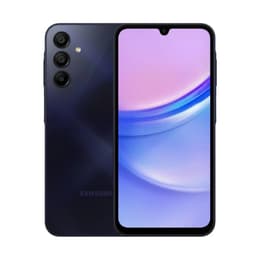
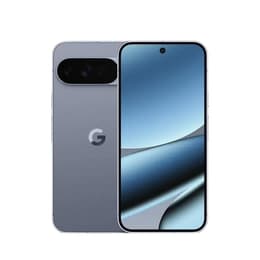
Galaxy A15 5G vs Google Pixel 10 Pro XL
- 1-year warranty
- Free standard shipping
- Free 30-day returns
Differences at a glance
The Samsung Galaxy A15 5G (2023) and the Google Pixel 10 Pro XL (2025) represent two distinctly different tiers within the smartphone market, catering to varied user expectations and daily communication needs. While the Galaxy A15 5G provides essential features within an accessible category, the Google Pixel 10 Pro XL operates as a high-end flagship offering advanced computing and imaging capabilities. Both devices run on the Android operating system, though they offer different software interface experiences and update timelines. Understanding their practical differences helps users determine which device best aligns with daily communication, productivity, and media consumption requirements.
Available Models
Colour
Storage
Scores
Durability
When examining longevity and physical durability, both devices approach software support and hardware construction differently according to their respective release timelines.
- Software longevity: The Google Pixel 10 Pro XL benefits from extended multi-year software and security updates, whereas the Galaxy A15 5G follows a standard mid-range support window.
- Repairability and build: Both models utilize robust outer shells, though flagship models often feature more intricate glass-and-metal assemblies that require specialized repair approaches compared to modular plastic builds.
- Practical lifespan: Users can expect steady day-to-day operation from both devices over several years, with high-end models providing more headroom for heavier future software demands.
Release year
2023
2025
Operating system
Android
Android
Foldable
No
No
Performance
Daily system responsiveness and multitasking behavior differ significantly due to the processing capabilities and memory allocations built into each device.
- Multitasking and storage: The Google Pixel 10 Pro XL handles intensive background tasks and demanding applications smoothly, while the Galaxy A15 5G manages standard everyday messaging and web browsing efficiently.
- Battery endurance: Both smartphones are designed to last through a standard day of mixed use, though intensive gaming or continuous media streaming will deplete the battery more quickly on either device.
- System fluidity: High-tier hardware ensures instant app launching and fluid transitions, whereas entry-level hardware operates adequately for routine tasks without matching high-end processing speeds.
Screen quality
Viewing experiences vary considerably based on the display technologies, refresh rates, and panel sizes incorporated into each smartphone.
- Display technology: The Google Pixel 10 Pro XL features a vibrant OLED panel with deep black levels, while the Galaxy A15 5G utilizes a bright display suited for reading text and viewing media clearly.
- Outdoor visibility: High peak brightness capabilities on flagship panels ensure legible viewing under direct sunlight, whereas mid-range displays perform well in standard lighting conditions.
- Visual smoothness: Higher refresh rates on premium panels offer seamless scrolling through documents and web pages, complementing the standard responsive motion found on entry-level screens.
Resolution
1080x2340
1344x2992
Audiovisual
Multimedia capture and media consumption capabilities reflect the distinct hardware and software processing tiers of each device.
- Imaging systems: The Google Pixel 10 Pro XL incorporates advanced multi-lens camera hardware supported by sophisticated computational photography, while the Galaxy A15 5G covers everyday snapshot needs reliably.
- Video and audio output: High-end microphones and stable recording tools on flagship models provide clear sound capture, matching quality stereo speakers for immersive media playback.
- Low-light performance: Advanced sensor technology on premium devices captures greater detail in dim environments, whereas standard mid-range cameras perform best in well-lit settings.
Miscellaneous
Physical dimensions, connectivity standards, and daily handling characteristics establish how each smartphone fits into user routines.
- Connectivity and ports: Both models support modern 5G networks and fast wireless standards, utilizing standard USB-C ports for charging and data transfer.
- Security and sensors: Biometric authentication methods include secure facial recognition and integrated fingerprint scanners for quick device unlocking.
- Handling and ergonomics: Differences in weight and physical footprint mean the compact Galaxy A15 5G offers straightforward single-handed use, while the larger screen real estate on the Pixel 10 Pro XL suits media viewing. For those exploring sustainable choices, selecting a quality-assured refurbished option provides an eco-friendly alternative without compromising on functionality.
Weight
200 oz
232 oz
Screen size (in)
6.5
6.8
Network
5G
5G
SIM card
Physical SIM
Physical SIM + eSIM
Carrier compatibility
Unlocked
Unlocked
What the community thinks
Community feedback from forums and user reviews highlights distinct preferences for each smartphone. Users frequently praise the Galaxy A15 5G for offering reliable core connectivity and steady battery life in a straightforward package. Conversely, owners of the Google Pixel 10 Pro XL highlight its advanced camera versatility, expansive display, and smooth processing performance as major daily benefits. Common criticisms for the entry-level model focus on occasional stutter during heavy multitasking, while high-end device discussions often note the larger physical size and heavier weight.
Users prioritizing long-term software support, advanced photography, and high-tier processing power may prefer the Google Pixel 10 Pro XL. Meanwhile, users focusing on essential daily communication tasks and straightforward functionality will find the Galaxy A15 5G well-suited to their needs. Considering a quality-assured refurbished option from Back Market allows buyers to make an eco-friendly, sustainable choice that matches their specific device preference.