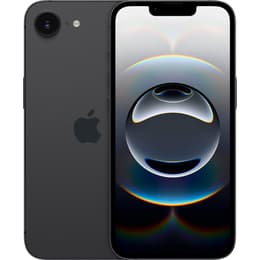

iPhone
Compare models
Differences at a glance
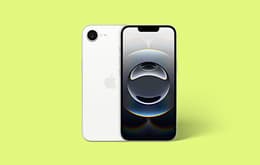
The Google Pixel 7A (released May 2023) and the iPhone 16E (released February 2025) represent distinct approaches to smartphone design and functionality within their respective ecosystems. While the Pixel 7A operates on Android and emphasizes computational photography and a clean software experience, the iPhone 16E runs on iOS, focusing on integrated performance and a robust app ecosystem. Key differences lie in their display refresh rates, camera configurations, and the underlying operating systems that shape user interaction.
Colour
Storage
When considering the practical lifespan of these devices, several factors come into play, including software support, physical durability, and ease of repair. The iPhone 16E, being a more recent release, generally benefits from a longer expected period of software updates compared to the Pixel 7A.
Release year
Operating system
Foldable
The performance of a smartphone is largely dictated by its internal processing power, which influences everything from app responsiveness to multitasking capabilities and battery efficiency. These two devices offer different performance profiles based on their respective hardware and software optimizations.
The display is a primary interface for smartphone interaction, and both the Pixel 7A and iPhone 16E offer vibrant viewing experiences, though with some key distinctions in their underlying technology and capabilities.
Resolution
Both the Google Pixel 7A and the iPhone 16E are designed to capture high-quality images and videos, each leveraging their respective hardware and software strengths to deliver distinct photographic results.
Front camera
Beyond core performance and display, several practical elements contribute to the overall user experience, including connectivity, physical design, and additional features.
Weight
Screen size (in)
Network
SIM card
Carrier compatibility
The Google Pixel 7A and iPhone 16E cater to users with differing priorities, reflecting their distinct operating systems and design philosophies. User feedback for the Pixel 7A often highlights its exceptional camera capabilities, particularly its computational photography features, and the clean, bloat-free Android experience. Its timely software updates and decent battery life are also frequently praised. Some users, however, have noted that its charging speed could be faster.
For the iPhone 16E, common praise points revolve around its powerful A18 chip, which delivers smooth performance and enables advanced AI features. Its excellent battery life and the inclusion of a USB-C port are also well-received. Criticisms sometimes point to the retention of a 60Hz display and the notch design, as well as the absence of MagSafe charging, which are features present in other, higher-tier iPhone models.
Users prioritizing a top-tier camera experience, especially those who appreciate Google's AI-driven photography and a pure Android interface, may find the Pixel 7A well-suited to their needs. Its 90Hz display also offers a smoother visual experience. Conversely, users who value long-term software support, robust performance for demanding tasks, and integration within the Apple ecosystem will likely lean toward the iPhone 16E. Its enhanced physical durability and superior battery endurance are also significant advantages.
Ultimately, the choice between these two devices depends on individual preferences for operating system, camera features, and overall performance balance. Both offer compelling features for their respective user bases, and considering a quality-assured refurbished option for either model can provide a sustainable choice for consumers.