
Samsung
Compare models
Differences at a glance
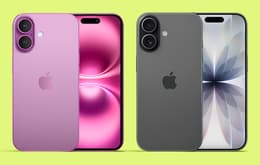
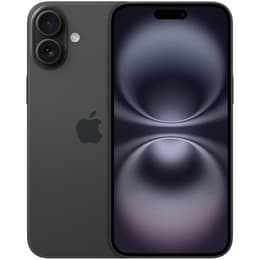
The Google Pixel 6A, released in July 2022, and the iPhone 16 Plus, launched in September 2024, represent distinct approaches to smartphone design and functionality from their respective manufacturers. While the Pixel 6A offers a compact Android experience with Google's computational photography strengths, the iPhone 16 Plus provides a larger iOS ecosystem device with advanced processing and camera capabilities. These differences cater to varying user preferences, from operating system choice to display size and overall feature set.
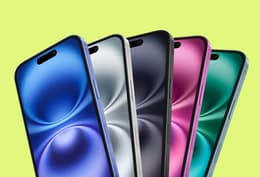
Colour
Storage (GB)
When considering the long-term usability of these devices, their release timelines and software support policies are key differentiators.
Release year
Compatible with latest Update
Foldable
The performance of a smartphone is crucial for daily tasks, app responsiveness, and multitasking efficiency.
The visual experience is a primary interaction point, and both devices offer distinct display characteristics.
Resolution
Screen type
Both smartphones offer capable camera systems, though with different strengths and features.
Main camera
Front camera
Beyond core features, several practical elements contribute to the overall user experience.
Weight
Screen size (in)
SIM card
Carrier compatibility
The Google Pixel 6A and iPhone 16 Plus cater to different user priorities, reflecting their respective ecosystems and design philosophies. Users often praise the Pixel 6A for its strong camera performance, especially its computational photography, and its clean Android experience. Criticisms sometimes point to its 60Hz display and slower charging speeds compared to some contemporaries.
The iPhone 16 Plus is frequently lauded for its large, vibrant display, robust performance, and the comprehensive iOS ecosystem with its long-term software support. Some users note the continued 60Hz refresh rate on the standard models as a point of consideration, particularly when compared to devices with higher refresh rates.
Users prioritizing a compact Android device with excellent photography capabilities and a focus on Google's AI features may find the Pixel 6A well-suited to their needs. Those who prefer a larger display, the Apple ecosystem, advanced processing power, and a longer software update cycle will likely lean towards the iPhone 16 Plus. Both devices offer a quality experience, and choosing between them often comes down to personal preference for operating system, size, and specific feature emphasis. For those seeking a more sustainable choice, both models are available as quality-assured refurbished options, extending their lifecycle and reducing environmental impact.