iPhone
Compare models
Differences at a glance
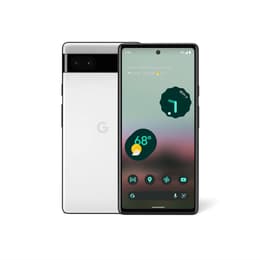
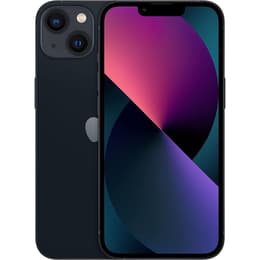
The Google Pixel 6A, released in July 2022, and the Apple iPhone 13, launched in September 2021, represent distinct approaches to smartphone design and functionality. While both devices offer capable performance and advanced camera systems, they cater to different user preferences through their respective operating systems and hardware philosophies. The Pixel 6A operates on Google's Android platform, emphasizing AI-driven features and a streamlined user experience, whereas the iPhone 13 runs on Apple's iOS, known for its integrated ecosystem and robust security. This comparison will explore their core differences to help users make an informed decision.
Colour
Storage
When considering the long-term usability of a smartphone, factors such as software support, physical resilience, and ease of repair are important.
Release year
Compatible with latest Update
Foldable
Both the Google Pixel 6A and the iPhone 13 deliver smooth performance for daily tasks, but their underlying architectures lead to different strengths in handling demanding applications.
The visual experience on both devices is characterized by vibrant colors and sharp details, though they differ in display technology and refresh rates.
Resolution
Screen type
Both smartphones offer advanced camera systems that leverage computational photography to produce high-quality images, but they approach imaging with different strengths.
Main camera
Front camera
Beyond their core functionalities, both the Google Pixel 6A and the iPhone 13 offer a range of features that enhance user experience, from connectivity to physical design.
Weight
Screen size (in)
SIM card
Carrier compatibility
The Google Pixel 6A and the iPhone 13 each present a compelling package, tailored to different user priorities. User feedback often praises the iPhone 13 for its consistently strong battery life, smooth performance, and reliable camera system that makes it easy to capture good photos. Some common criticisms include its 60Hz display, which is not as fluid as some competitors, and the absence of a telephoto camera.
The Pixel 6A is frequently lauded for its exceptional camera capabilities, particularly its computational photography features like Magic Eraser and Night Sight, which deliver impressive results. Its performance for its class and overall battery life are also often highlighted positively. However, some users note the 60Hz refresh rate as a potential drawback and the lack of wireless charging.
Users prioritizing a highly integrated ecosystem, robust security through Face ID, and a slightly more premium build with extensive software support may find the iPhone 13 well-suited to their needs. Its consistent performance and strong video capabilities also make it a solid choice for general use and content creation. Conversely, individuals who value cutting-edge computational photography, a pure Android experience with Google's AI innovations, and a more universal charging port might lean towards the Pixel 6A. Both devices offer excellent value, especially when considering quality-assured refurbished options, which provide a sustainable choice for consumers.