Compare models
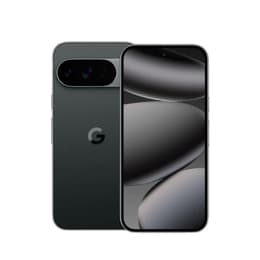
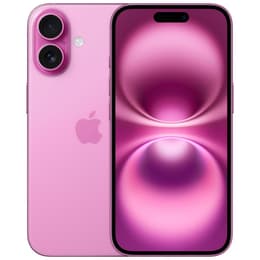
Google Pixel 10 vs iPhone 16
- 1-year warranty
- Free standard shipping
- Free 30-day returns
Differences at a glance
The Google Pixel 10 (2025) and the Apple iPhone 16 (2024) represent prominent currents in contemporary smartphone design, catering to users invested in distinct software ecosystems. While both run on entirely different platforms—Android and iOS—they share similar aspirations in delivering smooth daily performance, capable multi-lens cameras, and deep artificial intelligence integration. Choosing between them often comes down to personal preference regarding operating system layout, hardware styling, and specific ecosystem connectivity.
Available Models
Colour
Storage
Scores
Durability
When evaluating how long these devices will remain viable, both manufacturers provide robust hardware longevity alongside sustained operating system updates.
- Software Support Window: The Google Pixel 10 offers up to 7 major operating system updates, aligning with prolonged software longevity, whereas the iPhone 16 typically receives software updates for roughly 5 to 6 years from its launch date.
- Repairability and Build: Both devices feature sturdy glass-and-metal construction with high dust and water resistance ratings, though Google provides comprehensive self-service repair options and readily available parts.
- Expected Lifespan: Thanks to energy-efficient processing architectures and ample system memory configurations, both smartphones are fully equipped to handle demanding daily use over many years without noticeable slowdowns.
Release year
2025
2024
Foldable
No
No
Performance
Both models handle intensive daily workflows, rapid app switching, and modern gaming smoothly, though they approach multitasking through different hardware configurations.
- System Responsiveness: Each device loads complex applications instantly and maintains high frame rates during extended gaming sessions, supported by efficient thermal management.
- Multitasking Capabilities: The Google Pixel 10 utilizes a large amount of random access memory for running numerous background services simultaneously, while the iPhone 16 relies on tight hardware and software optimization to manage background tasks efficiently.
- Battery Behavior: The Google Pixel 10 features a larger battery capacity that easily sustains moderate to heavy use throughout a full day, whereas the iPhone 16 utilizes a smaller cell that still achieves reliable daily endurance through efficient power management.
Screen quality
Visual immersion and outdoor legibility are key priorities for both handsets, though they differ slightly in display dimensions and refresh capabilities.
- Display Technology: Both devices utilize vibrant OLED panels that deliver deep black levels, high contrast ratios, and vivid color reproduction for media consumption and web browsing.
- Brightness Levels: Each model reaches high peak brightness figures, ensuring that text and images remain easily readable under direct sunlight.
- Refresh Rate and Smoothness: The Google Pixel 10 offers a high maximum refresh rate for fluid scrolling through menus and web pages, while the iPhone 16 utilizes a standard refresh rate that maintains smooth visual transitions across the interface.
Resolution
1080x2424
1179 x 2556
Screen type
OLED
Super Retina XDR OLED
Audiovisual
Photography and video capture capabilities on both smartphones excel in diverse lighting conditions, catering to casual shooters and content creators alike.
- Camera Systems: The Google Pixel 10 employs a triple-lens setup including a dedicated optical zoom lens, whereas the iPhone 16 relies on a versatile dual-lens arrangement with high-resolution main sensors.
- Everyday and Low-Light Imaging: Both models use advanced computational photography to produce sharp, balanced photos in challenging lighting environments without requiring manual adjustments.
- Video and Audio Quality: Each smartphone records stable, high-definition video with clear stereo sound capture, making them reliable tools for recording personal memories or creating social media content.
Miscellaneous
Practical everyday features, physical dimensions, and connectivity options shape how comfortably each device fits into a user's daily routine.
- Connectivity and Standards: Both handsets support current-generation 5G networks, fast Wi-Fi standards, and modern Bluetooth protocols for reliable accessory pairing.
- Physical Dimensions: The Google Pixel 10 offers a slightly larger screen footprint compared to the compact form factor of the iPhone 16, impacting one-handed reach and pocketability.
- Authentication and Ports: Each device utilizes secure biometric facial recognition and modern reversible port standards for charging and data transfer.
Weight
204 oz
170 oz
Screen size (in)
6.3
6.1
Network
5G
5G
SIM card
Physical SIM + eSIM
Physical SIM + eSIM
Carrier compatibility
Unlocked
Unlocked
What the community thinks
User discussions across online communities frequently highlight the Google Pixel 10 for its intelligent software features, flexible multi-lens camera system, and integrated artificial intelligence tools. At the same time, community members frequently praise the iPhone 16 for its dependable video recording quality, refined hardware ergonomics, and seamless integration within the broader device ecosystem.
Users prioritizing deep customization, a high-refresh-rate display, and extended software update commitments may prefer the Google Pixel 10. Conversely, users who favor a compact physical footprint, straightforward operating system navigation, and robust video capture tools often lean toward the iPhone 16. For consumers seeking a sustainable choice, opting for a quality-assured refurbished option provides an eco-friendly alternative to purchasing brand-new hardware without compromising on daily performance or reliability.