
Compare models

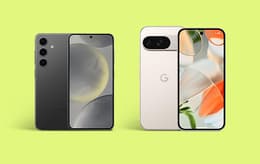
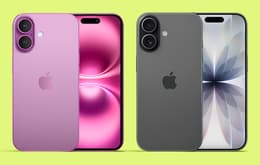
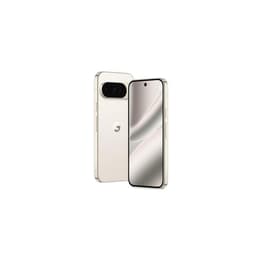
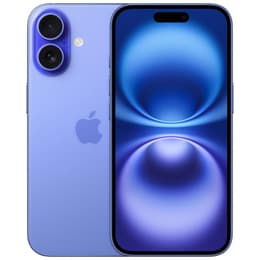
Google Pixel 10 Pro vs iPhone 16

  • 1-year warranty
  • Free standard shipping
  • Free 30-day returns
iPhone 16
Starting at

Refurbished price:A$953.00

Versus A$1,349.00 new

See options

Differences at a glance

The Google Pixel 10 Pro (2025) and the iPhone 16 (2024) represent flagship device ecosystems from two major technology developers. While both smartphones offer refined day-to-day capabilities, they run on distinct operating systems, with the Pixel utilizing Android and the iPhone operating on iOS.

Choosing between these two models involves comparing software preferences, hardware configurations, and user experience priorities in a neutral context.

Available Models

Colour

Storage (GB)

Scores

Durability

When evaluating hardware longevity and software support, both devices are built to remain functional and secure for years of regular use, though their update models differ.

  • Software Support: Both manufacturers provide extensive multi-year operating system and security updates to keep software current.
  • Repairability: Both models feature standardized internal layouts and durable outer frames, ensuring that component replacements can extend their practical lifespan.
  • Expected Lifespan: High-capacity internal components and robust build materials allow both devices to maintain reliable performance across multiple years of ownership.

Release year

2025

2024

Foldable

No

No

Performance

System responsiveness and everyday operation rely on efficient internal hardware to handle demanding applications and heavy multitasking smoothly.

  • Multitasking Capability: Generous system memory allocations on both devices allow multiple resource-intensive applications to run concurrently without noticeable slowdowns.
  • Battery Behavior: Battery capacities on both models are optimized to sustain a typical day of mixed usage, balancing screen-on time with efficient standby power management.
  • App Responsiveness: Current-generation processors ensure rapid application loading speeds, fluid animations, and consistent frame rates during intensive tasks.

Screen quality

Display characteristics shape the primary interaction point, influencing media consumption, reading comfort, and outdoor visibility.

  • Display Technology: Both devices employ advanced OLED panels that produce deep contrast levels, rich color reproduction, and sharp text clarity.
  • Outdoor Brightness: High peak luminance capabilities allow screen content to remain clearly legible under direct sunlight or bright ambient lighting.
  • Refresh Rate: Smooth panel refresh rates ensure fluid scrolling through web pages and responsive touch tracking during navigation.

Resolution

1280x2856

1179 x 2556

Audiovisual

Optical hardware and integrated processing systems determine how each device handles photography, video recording, and audio output.

  • Camera Systems: Both models incorporate versatile lens arrays capable of capturing detailed high-resolution photographs across varying lighting conditions.
  • Video Recording: Advanced stabilization and high-definition video capture modes ensure steady footage and clear audio recording during movement.
  • Media Consumption: Stereo speaker configurations deliver balanced audio output suitable for hands-free calls, video playback, and casual listening.

Miscellaneous

Physical dimensions, weight distribution, and connectivity features dictate how each smartphone feels during daily handling and travel.

  • Build Materials: Robust glass backs and reinforced metal frames provide sturdy physical protection against everyday wear and minor impacts.
  • Connectivity: Support for high-speed wireless standards, 5G networks, and modern short-range communication protocols ensures reliable internet access and accessory pairing.
  • Physical Handling: Ergonomic widths and balanced weight distributions allow both devices to rest comfortably in one hand during extended use.

Weight

207 oz

170 oz

Screen size (in)

6.3

6.1

Network

5G

5G

SIM card

Physical SIM + eSIM

Physical SIM + eSIM

Carrier compatibility

Unlocked

Unlocked

What the community thinks

Users navigating between these devices often highlight distinct preferences based on their existing technology ecosystems. Owners leaning toward the Google Pixel 10 Pro frequently praise its deep software integration, versatile multi-lens camera capabilities, and flexible operating system customization. Conversely, users favoring the iPhone 16 often emphasize the streamlined simplicity of iOS, consistent system optimization, and seamless integration with companion hardware devices. Common discussions note that while both models deliver dependable flagship performance, individual satisfaction depends heavily on comfort with either Android or iOS environments.

Users prioritizing deep software customisation and advanced assistant features may prefer the Pixel 10 Pro, while users prioritizing a streamlined interface and long-term ecosystem consistency often lean toward the iPhone 16. To make a sustainable choice, exploring a quality-assured refurbished option provides a reliable way to acquire either model while reducing electronic waste. Evaluating these core differences ensures a device selection that aligns naturally with personal daily routines.