
Compare models

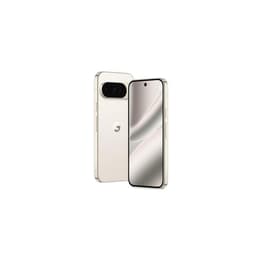
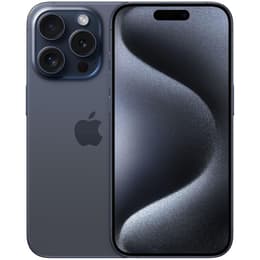
Google Pixel 10 Pro vs iPhone 15 Pro

  • 1-year warranty
  • Free standard shipping
  • Free 30-day returns
iPhone 15 Pro
Starting at

Refurbished price:A$863.00

Versus A$1,849.00 new

See options

Differences at a glance

The Google Pixel 10 Pro (2025) and the iPhone 15 Pro (2023) represent high-end smartphone options from two distinct mobile ecosystems. While they differ in release timelines and operating systems, both devices focus on delivering premium performance, advanced imaging tools, and compact form factors suited for daily mobile tasks.

Available Models

Colour

Storage (GB)

Scores

Durability

When evaluating hardware lifespan and software support, both devices offer robust longevity backed by multi-year manufacturer commitments, though their release dates create a difference in overall active lifespans.

  • Software Support Window: The Google Pixel 10 Pro benefits from an extended multi-year update policy running well into the next decade, whereas the iPhone 15 Pro operates on Apple's established long-term update schedule spanning several years from its 2023 debut.
  • Repairability and Build Integrity: Both phones utilize reinforced glass and sturdy metal frames designed to withstand daily wear, and choosing a quality-assured refurbished option provides a sustainable choice that extends device usability while reducing electronic waste.
  • Expected Practical Lifespan: Both models maintain high system responsiveness over time, though users seeking the absolute furthest end of software support timelines may find minor variances based on initial launch years.

Release year

2025

2023

Operating system

Android

iOS

Foldable

No

No

Performance

Both smartphones handle demanding apps, rapid multitasking, and intensive mobile gaming smoothly, though they utilize different internal hardware and memory configurations to achieve their everyday system responsiveness.

  • App Loading and Multitasking: Each device transitions seamlessly between heavy productivity applications and media tools, supported by generous random access memory configurations that keep background processes active without lagging.
  • Storage and Battery Behavior: Internal storage configurations scale upward to accommodate large media libraries, while battery capacities and power efficiency deliver dependable full-day operation under typical usage patterns.
  • System Responsiveness: Advanced cooling architectures and optimized system software ensure fluid navigation across menus, web browsers, and resource-heavy software regardless of which platform is chosen.

Screen quality

Visual output across both displays provides sharp text rendering, vibrant color reproduction, and smooth motion handling suited for media consumption and reading under varied lighting conditions.

  • Display Technology: Both models feature advanced organic light-emitting diode panels with deep black levels and wide color gamuts, ensuring high contrast for photos and videos.
  • Brightness and Outdoor Legibility: Peak brightness levels allow screens to remain clearly legible under direct sunlight, adjusting dynamically to changing ambient lighting environments.
  • Refresh Rate and Smoothness: Adaptive high refresh rates scale up during scrolling and gaming for fluid motion, and scale down during static tasks to conserve battery power.

Resolution

1280x2856

1179 x 2556

Audiovisual

Photography and video recording suites on both devices excel at capturing detailed everyday moments, challenging low-light scenes, and high-definition video clips.

  • Camera System Versatility: Multi-lens configurations include high-resolution main sensors alongside dedicated wide-angle and zoom capabilities, accommodating diverse framing needs from landscapes to close-up shots.
  • Low-Light and Video Performance: Image processing software minimizes noise in dim environments, while stabilization features ensure steady video capture during movement.
  • Audio and Media Output: Integrated microphone arrays capture clear voice audio for calls and video recording, complemented by stereo speakers that deliver balanced sound output for media playback.

Miscellaneous

Physical dimensions, connectivity standards, and daily handling characteristics differ slightly between the two models, influencing how they fit into pockets and accessory ecosystems.

  • Connectivity and Ports: Both options support current-generation mobile networks and wireless standards, utilizing standard universal ports for fast wired charging and data transfers.
  • Security and Biometrics: Secure biometric authentication utilizes either facial mapping or responsive under-display fingerprint sensors depending on the chosen model.
  • Handling and Dimensions: Compact body designs with comfortable ergonomic widths make one-handed operation straightforward, supported by durable dust and water resistance ratings.

Weight

207 oz

187 oz

Screen size (in)

6.3

6.1

Network

5G

5G

SIM card

Physical SIM + eSIM

Physical SIM + eSIM

Carrier compatibility

Unlocked

Unlocked

What the community thinks

Choosing between the Google Pixel 10 Pro and the iPhone 15 Pro generally depends on personal preference for operating systems and ecosystem integration rather than fundamental capability gaps. Users prioritizing deep customization, Google's specialized artificial intelligence integration, and an Android environment will find the Pixel 10 Pro well-suited to their needs. Conversely, users invested in Apple services who prefer the iOS ecosystem will naturally lean toward the iPhone 15 Pro.

Community feedback highlights praise for both devices regarding their reliable camera outputs, premium build quality, and smooth daily performance. At the same time, some users note that intensive tasks can induce noticeable warmth on both frames during extended sessions. Exploring a quality-assured refurbished option serves as an eco-friendly alternative that provides access to these high-end features while supporting more sustainable purchasing habits.