
Galaxy S25 vs Galaxy Z Fold6

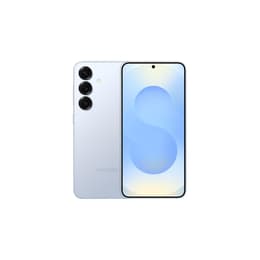
Galaxy S25
Galaxy S25
Starting at

Refurbished price:A$852.00

Versus A$1,399.00 new

See options
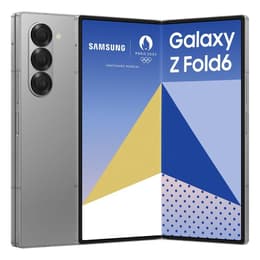
Galaxy Z Fold6
Galaxy Z Fold6
Starting at

Refurbished price:A$1,088.24

Versus A$2,749.00 new

See options

Ratings

The Samsung Galaxy S25, released in early 2025, represents a traditional high-end smartphone experience, while the Samsung Galaxy Z Fold6, launched in mid-2024, offers a unique foldable design that transforms from a compact phone into a larger tablet-like display. Both devices run on the Android operating system, providing a familiar software experience, but their fundamental form factors lead to distinct usage patterns and capabilities.

Scores

Durability

When considering the long-term usability of these devices, their release timelines and software support are key factors.

  • Software Longevity: The Galaxy S25, released in February 2025, and the Galaxy Z Fold6, released in July 2024, both benefit from Samsung's commitment to extended software support. The Z Fold6 is expected to receive 7 years of OS and security updates, offering a substantial period of continued functionality and security. The S25, being a newer release, is anticipated to receive a similar, if not slightly longer, duration of updates, ensuring both devices remain current for many years.
  • Physical Durability: The Galaxy S25 features an aluminum body and Gorilla Glass Victus 2 on both its front and back, providing robust protection against everyday wear and tear. The Galaxy Z Fold6, as a foldable device, incorporates Corning Gorilla Glass Victus 2 on its cover screen and back panel, while its inner display utilizes Ultra-Thin Glass (UTG). The Z Fold6 also boasts an IP48 rating for dust and water protection, a notable improvement for foldable technology. However, some durability tests for foldable devices have indicated potential for dust ingress into the hinge over time.
  • Repairability: While specific repairability scores can vary, the S25 Ultra (which shares design principles with the standard S25) has shown improved repairability compared to previous Samsung flagships. The Z Fold6's complex foldable design inherently presents more challenges for repair, though Samsung offers programs like discounted screen repairs.

Release year

2025

2024

Operating system

Android

Android

Foldable

No

Yes

Performance

Both the Galaxy S25 and Galaxy Z Fold6 are equipped with powerful internal components designed for demanding tasks and smooth operation.

  • Processing Power: The Galaxy S25 is powered by the Snapdragon 8 Elite for Galaxy, a customized processor that delivers significant performance enhancements over previous generations, resulting in fluid app loading, efficient multitasking, and responsive gaming experiences. The Galaxy Z Fold6 features the Snapdragon 8 Gen 3 for Galaxy, also a high-performance processor optimized for Samsung devices, ensuring it handles intensive applications and multitasking with ease.
  • Multitasking and Storage: Both devices come with 12GB of RAM, which supports seamless switching between multiple applications and maintains smooth performance even with many apps open simultaneously. The Galaxy S25 offers storage options of 128GB and 256GB, while the Galaxy Z Fold6 provides more expansive choices, including 256GB, 512GB, and 1TB, catering to users with larger storage needs.
  • Battery Behavior: The Galaxy S25 is equipped with a 4000 mAh battery, generally providing enough power for a full day of mixed usage, including up to 29 hours of video playback. The Galaxy Z Fold6 houses a 4400 mAh battery, which, despite powering two displays, typically offers around 10 hours and 35 minutes of web surfing and can last a full day with varied use.

Memory (GB)

12 GB

12 GB

Screen quality

The display experience is a primary differentiator between these two Samsung smartphones, catering to different user preferences.

  • Display Technology and Clarity: The Galaxy S25 features a 6.2-inch Dynamic LTPO AMOLED 2X display with a 2340 x 1080 resolution, offering sharp visuals and vibrant colors. The Galaxy Z Fold6, on the other hand, provides a dual-screen experience. Its 6.3-inch cover display is a Dynamic AMOLED 2X panel with a 2376 x 968 resolution, while the expansive 7.6-inch inner display is a Foldable Dynamic AMOLED 2X with a 2160 x 1856 resolution, offering a large canvas for content consumption and productivity.
  • Brightness and Smoothness: Both devices feature displays with a 120Hz adaptive refresh rate, ensuring smooth scrolling and responsive interactions. They also achieve a peak brightness of up to 2600 nits, making them highly visible even in bright outdoor conditions. The Z Fold6's cover screen has a wider aspect ratio, making it more akin to a traditional smartphone display when folded.
  • Viewing Experience: The S25 offers a consistent, high-quality viewing experience on a single, flat screen. The Z Fold6 provides the versatility of a compact outer screen for quick tasks and a large inner screen for immersive viewing, reading, and multitasking, though the inner display has a visible crease.

Resolution

1080x2340

1856 x 2160

Audiovisual

Both the Galaxy S25 and Galaxy Z Fold6 offer advanced camera systems, though with some differences in their configurations and capabilities.

  • Rear Camera Systems: The Galaxy S25 is equipped with a versatile triple rear camera setup, including a 50MP wide-angle main sensor, a 12MP ultra-wide lens, and a 10MP telephoto lens with 3x optical zoom. The Galaxy Z Fold6 also features a triple rear camera system, comprising a 50MP wide-angle lens with optical image stabilization (OIS), a 12MP ultra-wide lens with a 123° field of view, and a 10MP telephoto lens with 3x optical zoom and OIS.
  • Photography Performance: The S25's camera system is noted for capturing vibrant and detailed photos, with AI enhancements for noise reduction in low-light and generative editing capabilities. The Z Fold6's cameras are competent in most typical situations, with the main sensor performing well, though the ultra-wide may produce noisy results in low light. Both support features like Nightography for improved low-light performance.
  • Video and Front Cameras: Both devices are capable of high-resolution video recording, with the S25 supporting up to 8K at 30fps. The S25 has a 12MP front-facing camera. The Z Fold6 offers a 10MP front-facing camera on its cover screen and a 4MP under-display camera on the main screen, suitable for video calls and facial recognition.

Miscellaneous

Beyond the core features, several practical elements contribute to the overall user experience of the Galaxy S25 and Galaxy Z Fold6.

  • Connectivity and Ports: Both smartphones support modern connectivity standards, including 5G, Wi-Fi 7 (802.11be), and Bluetooth 5.4, ensuring fast and reliable wireless connections. They both utilize a USB Type-C port for charging and data transfer.
  • Biometric Security and Handling: Both devices include an ultrasonic in-screen fingerprint sensor for secure unlocking. The Galaxy S25 offers a traditional smartphone form factor, making it comfortable for one-handed use and pocketability. The Galaxy Z Fold6, while thicker and heavier when folded, provides a larger screen experience when unfolded. Its wider cover screen improves usability when closed, making it feel more like a conventional smartphone.
  • Build Materials and Features: The S25 features an aluminum frame and Gorilla Glass Victus 2. The Z Fold6 incorporates an enhanced Armor Aluminum frame and Gorilla Glass Victus 2 on its exterior, with Ultra-Thin Glass for the inner display. The Z Fold6 also supports S Pen Pro and S Pen Fold Edition, enhancing its productivity capabilities, though it lacks a built-in stylus slot.

Weight

162 oz

239 oz

Screen size (in)

6.2

7.6

Network

5G

5G

SIM card

Physical SIM + eSIM

Dual Physical SIM + eSIM

Carrier compatibility

Unlocked

Unlocked

The Samsung Galaxy S25 and Galaxy Z Fold6 cater to distinct user needs, each excelling in different areas. Users often praise the Galaxy S25 for its consistent, reliable performance, excellent camera system, and robust build in a traditional smartphone form factor. Its extended battery life and powerful processor are frequently highlighted as strong points. Some common criticisms might revolve around its incremental upgrades compared to its predecessor, or the desire for more innovative features.

The Galaxy Z Fold6, conversely, is lauded for its innovative foldable design, offering the versatility of a compact phone and a large tablet-like display. Users appreciate the expansive inner screen for productivity and immersive media consumption, along with its improved cover screen usability. However, concerns sometimes arise regarding its overall durability, particularly the hinge's resistance to dust, and the inherent compromises in camera hardware compared to traditional flagships. The Z Fold6's battery life, while improved, is also a point of discussion given its dual displays.

Users prioritizing a straightforward, highly durable, and long-lasting smartphone experience with top-tier camera performance in a conventional design may find the Galaxy S25 well-suited to their needs. Conversely, individuals who value a versatile device that can transform to offer a larger screen for multitasking, content creation, or immersive viewing, and are willing to embrace the unique aspects of a foldable form factor, will likely lean towards the Galaxy Z Fold6. Both devices represent premium Android experiences, and choosing between them ultimately depends on whether a traditional flagship or an innovative foldable best aligns with individual usage patterns. For those seeking an eco-friendly alternative, both models are available as quality-assured refurbished options.

See all articles

Our recent comparisons