iPhone
Compare models
Differences at a glance
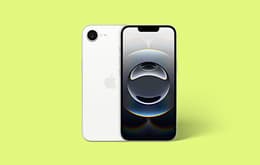
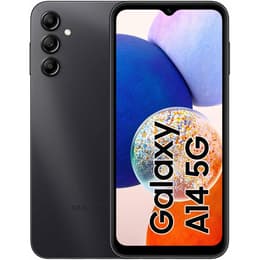
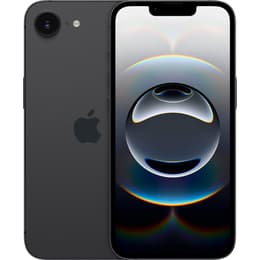
The Samsung Galaxy A14 5G, released in January 2023, and the iPhone 16E, launched in February 2025, represent distinct approaches to smartphone design and functionality. While the Galaxy A14 5G operates on the Android platform, the iPhone 16E runs on Apple's iOS, offering users different ecosystem experiences. This comparison will delve into their practical differences, helping users understand which device aligns better with their daily needs.
Colour
Storage
When considering the long-term usability of a smartphone, software support and physical resilience are key factors. The Galaxy A14 5G, released in early 2023, typically receives two major Android OS updates and four years of security updates, extending its software support until around 2027. In contrast, the iPhone 16E, launched in early 2025, benefits from Apple's longer support cycle, generally receiving major iOS updates for approximately five to seven years, with security patches often extending beyond that period. [1, 2, 10, 22, 26, 31]
Release year
Operating system
Foldable
The performance of a smartphone directly impacts how smoothly applications run and how efficiently daily tasks are handled. The Galaxy A14 5G is equipped with a processor that provides solid performance for its category, handling everyday usage, including casual gaming and multitasking, with general smoothness. [1, 20, 24] The iPhone 16E, featuring a more advanced processor, offers a notably faster and more responsive experience, particularly with demanding applications and advanced computational tasks. [8, 9, 14, 18, 19]
The display is a primary interface for smartphone interaction, and differences in screen technology and specifications can significantly impact the viewing experience. The Galaxy A14 5G features a 6.6-inch PLS LCD display with a 90Hz refresh rate, offering a smooth scrolling experience and vibrant colors for media consumption. [1, 12, 20, 23] The iPhone 16E, on the other hand, comes with a 6.1-inch Super Retina XDR OLED display, providing deeper blacks, higher contrast, and superior brightness. [8, 9, 14, 18]
Resolution
The camera systems on both devices cater to different photography needs and expectations. The Galaxy A14 5G features a triple-camera setup with a 50-megapixel main sensor, which performs well in good lighting conditions, capturing detailed and vibrant photos. [1, 11, 23, 24] The iPhone 16E is equipped with a single 48-megapixel main camera, leveraging advanced computational photography for image processing and offering 2x in-sensor zoom. [8, 9, 14, 18]
Beyond core specifications, several practical features and design elements contribute to the overall user experience. The Galaxy A14 5G maintains a traditional 3.5mm headphone jack, offering direct compatibility with wired audio accessories. [7, 12, 20, 24] The iPhone 16E, like other modern iPhones, relies on its USB-C port for audio output or wireless solutions. [8, 9, 14, 18]
Weight
Screen size (in)
Network
SIM card
Carrier compatibility
User feedback for the Samsung Galaxy A14 5G often highlights its strong battery life and capable main camera for its segment, making it a reliable choice for essential smartphone functions. [11, 20, 23, 24] However, some users have noted occasional performance stutters and limitations in low-light photography. [11, 23] For the iPhone 16E, initial user sentiment indicates a mixed reception, with some users expressing disappointment regarding its single camera and perceived value compared to higher-end iPhone models. [25, 28, 29] Conversely, its powerful processor, extended software support, and robust build quality are frequently praised. [28, 36]
Users prioritizing a long-lasting battery, expandable storage, and a traditional headphone jack may find the Galaxy A14 5G well-suited to their needs. It offers a practical Android experience for everyday tasks and media consumption. Conversely, individuals who value a more powerful and responsive operating system, a superior display, advanced computational photography, and a longer software support window will likely lean towards the iPhone 16E. Its compact design and Face ID security also cater to specific preferences. Both devices serve different user profiles effectively, offering distinct advantages. For those seeking an eco-friendly and quality-assured alternative, considering refurbished options for either model can provide a sustainable choice without compromising on functionality.