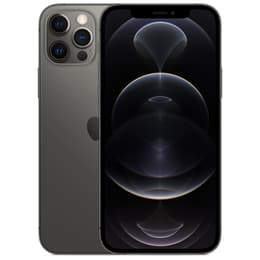

Google Pixel 7a vs iPhone 12 Pro

Google Pixel 7a
Google Pixel 7a
Starting at

Refurbished price:A$337.00

Versus A$749.00 new

See options
iPhone 12 Pro
iPhone 12 Pro
Starting at

Refurbished price:A$409.00

Versus A$1,119.00 new

See options

Ratings

The Google Pixel 7a (released May 2023) and the iPhone 12 Pro (released October 2020) are distinct smartphones offering different user experiences. While the Pixel 7a runs on Google's Android operating system, the iPhone 12 Pro operates on Apple's iOS, leading to fundamental differences in interface and ecosystem. The Pixel 7a focuses on delivering strong camera performance and a clean Android experience, whereas the iPhone 12 Pro emphasizes a premium build, consistent performance, and a robust app ecosystem.

Scores

Durability

When considering the longevity of these devices, their respective release dates and software support policies are key factors.

  • Release Timeline: The iPhone 12 Pro, launched in October 2020, is an older device compared to the Pixel 7a, which was released in May 2023. This age difference directly impacts their remaining software support.
  • OS Support Duration: Google typically provides 5 years of security updates and 3 years of OS updates for the Pixel 7a, meaning support is expected until at least May 2028 for security and May 2026 for OS updates. Apple generally offers 5-7 years of major iOS updates for its devices; the iPhone 12 Pro, released in 2020, is likely to receive updates until around 2025-2027.
  • Repairability: The Pixel 7a initially received a repairability score of 4/10 from iFixit, later upgraded to 5/10 after Google provided service manuals. The iPhone 12 Pro received a repairability score of 6 out of 10 from iFixit, noting that many components are modular and accessible, though proprietary screws and increased waterproofing can complicate repairs.

Release year

2022

2020

Compatible with latest Update

Yes

Yes

Operating system

Android

iOS

Foldable

No

No

Performance

Both devices offer capable performance for daily tasks, though they approach it with different hardware and software optimizations.

  • Processor Capabilities: The Pixel 7a is equipped with a current-generation processor that handles demanding applications and multitasking smoothly. The iPhone 12 Pro features a powerful processor that ensures a fluid user experience across applications and games.
  • Multitasking and Storage: The Pixel 7a comes with 8GB of RAM and 128GB of internal storage. The iPhone 12 Pro offers 6GB of RAM and storage options of 128GB, 256GB, or 512GB. The higher RAM in the Pixel 7a can contribute to smoother app switching, while the iPhone 12 Pro's larger storage options cater to users with extensive media libraries.
  • Battery Behavior: The Pixel 7a has a 4385 mAh battery, with users generally reporting good all-day battery life for moderate use. The iPhone 12 Pro has a 2815 mAh battery, and while it can last a full day for light users, heavy usage may require more frequent charging.

Memory (GB)

8 GB

6 GB

Screen quality

The visual experience on both smartphones is delivered through high-quality OLED panels, but with some key distinctions.

  • Display Technology and Resolution: Both devices feature OLED displays, offering deep blacks and vibrant colors. The Pixel 7a has a 6.1-inch OLED panel with a 1080 x 2400 pixel resolution. The iPhone 12 Pro also has a 6.1-inch Super Retina XDR OLED display with a resolution of 1170 x 2532 pixels.
  • Refresh Rate: The Pixel 7a offers a 90Hz refresh rate, providing a smoother scrolling and animation experience. However, it may automatically lower to 60Hz in bright sunlight to manage performance. The iPhone 12 Pro features a standard 60Hz refresh rate.
  • Brightness: The Pixel 7a can reach a peak brightness of up to 1000 nits. The iPhone 12 Pro offers a typical maximum brightness of 800 nits and can reach up to 1200 nits for HDR content.

Resolution

1080 x 2400

1170 x 2532

Screen type

OLED

Super Retina XDR OLED

Audiovisual

Both smartphones are recognized for their camera capabilities, employing different approaches to image processing and hardware.

  • Camera System: The Pixel 7a features a dual-camera setup with a 64 MP main sensor and a 13 MP ultrawide lens. The iPhone 12 Pro boasts a triple 12 MP camera system, including wide, ultrawide, and telephoto lenses, along with a LiDAR scanner.
  • Photography Performance: The Pixel 7a is known for its computational photography, delivering excellent detail and color accuracy, particularly in daylight and with its Night Sight mode. The iPhone 12 Pro provides consistent image quality across its lenses, with strong performance in various lighting conditions and impressive low-light video capabilities.
  • Video Recording: The Pixel 7a supports 4K video recording at up to 60fps from its main camera and 4K at 30fps from the front camera. The iPhone 12 Pro records 4K video at 24/30/60fps and supports Dolby Vision HDR video recording.

Main camera

64 megapixels

12 megapixels

Front camera

13 megapixels

12 megapixels

Miscellaneous

Beyond core performance, several other features contribute to the overall user experience and device utility.

  • Connectivity: Both devices support 5G connectivity for faster mobile data speeds. The Pixel 7a includes Wi-Fi 6E and Bluetooth 5.3, while the iPhone 12 Pro features Wi-Fi 6 and Bluetooth 5.0.
  • Ports and Biometrics: The Pixel 7a uses a USB-C 3.2 port and offers both an under-display fingerprint sensor and Face Unlock for security. The iPhone 12 Pro utilizes Apple's proprietary Lightning port and relies on Face ID for biometric authentication.
  • Build Materials and Durability: The Pixel 7a features an aluminum frame, a plastic back, and Gorilla Glass 3 on the front, with an IP67 dust and water resistance rating. The iPhone 12 Pro has a more premium feel with a stainless steel frame, a Ceramic Shield front, and a glass back, boasting an IP68 rating for enhanced dust and water resistance.

Weight

212 oz

187 oz

Screen size (in)

6.1

6.1

Network

5G

5G

SIM card

Physical SIM + eSIM

Physical SIM + eSIM

Carrier compatibility

Unlocked

Unlocked

Connector

USB-C

Lightning

The Google Pixel 7a and iPhone 12 Pro cater to different preferences, each excelling in specific areas based on user feedback.

Users often praise the Pixel 7a for its exceptional camera quality, particularly its computational photography features that deliver impressive photos in various conditions. Its clean Android experience and smoother 90Hz display are also frequently highlighted as positives. Some users, however, note that while battery life is generally good, it might not be outstanding for heavy users, and the plastic back can feel less premium compared to other devices.

The iPhone 12 Pro is frequently lauded for its premium build quality, consistent camera performance across its multiple lenses, and the robust iOS ecosystem. Its powerful processor ensures smooth operation, even years after its release. Common criticisms often revolve around its 60Hz display, which can feel less fluid than higher refresh rate screens, and battery degradation over time, which may necessitate more frequent charging for older units.

Users prioritizing a cutting-edge camera experience with a clean Android interface and a smoother display for everyday scrolling may find the Pixel 7a well-suited to their needs. Those who value a premium build, a telephoto lens for photography versatility, and the established Apple ecosystem with its long-term software support may lean towards the iPhone 12 Pro. Both devices offer compelling features, and choosing between them often comes down to individual preference for operating system, camera priorities, and build materials. Opting for a quality-assured refurbished option for either model can also be an eco-friendly alternative to purchasing new.

See all articles

Our recent comparisons