Compare models

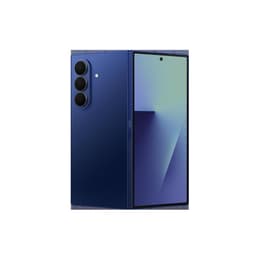
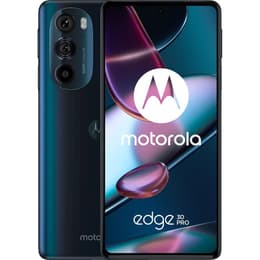
Galaxy Z Fold7 vs Motorola Edge 30 Pro

  • 1-year warranty
  • Free standard shipping
  • Free 30-day returns
Galaxy Z Fold7
Starting at

Refurbished price:A$1,229.00

Versus A$2,499.00 new

See options

Differences at a glance

The Galaxy Z Fold7 (2025) and the Motorola Edge 30 Pro (2022) represent two completely different approaches to modern mobile engineering, contrasting a cutting-edge book-style foldable design with a traditional candy-bar smartphone form factor. While the Galaxy Z Fold7 provides an expansive dual-screen setup running modern software, the Motorola Edge 30 Pro focuses on streamlined performance in a conventional shell. Both devices run the Android operating system, though they deliver distinct user experiences shaped by their hardware architecture and release timelines.

Available Models

Colour

Storage

Scores

Durability

When examining hardware longevity and software support, the two devices reflect different generations of mobile technology and support commitments.

  • Software Support Timeline: The Galaxy Z Fold7 benefits from an extended multi-year update commitment covering numerous major operating system upgrades, whereas the Motorola Edge 30 Pro operates on an older software cycle nearing its final scheduled support window.
  • Physical Durability: The Motorola Edge 30 Pro utilizes a conventional glass and plastic build with basic splash resistance, while the Galaxy Z Fold7 features advanced folding glass engineering and structured hinge protection designed to handle daily mechanical wear.
  • Component Lifespan: Users exploring a quality-assured refurbished option can find that both models maintain reliable daily functionality, though foldable devices require careful handling of the primary flexible screen over years of intensive use.

Release year

2025

2022

Operating system

Android

Android

Foldable

Yes

No

Performance

Underneath their exteriors, both smartphones handle intensive daily demands smoothly, though they utilize different generations of internal hardware to manage multitasking and power efficiency.

  • Multitasking and Processing: The Galaxy Z Fold7 utilizes a current-generation processor and generous memory configurations that effortlessly manage split-screen workflows and demanding applications, while the Motorola Edge 30 Pro handles routine apps and mobile gaming comfortably with its older high-end processor.
  • Battery Behavior: The Motorola Edge 30 Pro features a single cell battery capacity that typically lasts through a standard day of mixed use, whereas the Galaxy Z Fold7 balances a split battery across two displays, meaning heavy reliance on the large inner screen requires more frequent charging.
  • Storage Configurations: Both devices offer ample internal storage variants to house large media libraries, though neither model supports expandable storage cards.

Screen quality

Display technology represents one of the most substantial divergences between these two devices, affecting how content is viewed and interacted with on a daily basis.

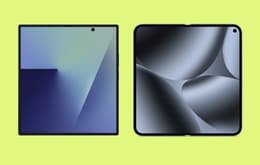
  • Display Architecture: The Motorola Edge 30 Pro provides a single, high-refresh-rate traditional display with fluid motion, whereas the Galaxy Z Fold7 offers a wider outer cover screen alongside an expansive 8-inch folding inner display that transforms the device into a tablet-sized workspace.
  • Brightness and Clarity: Both models deliver vivid colors and sharp resolutions suited for media consumption, though the Galaxy Z Fold7 achieves significantly higher peak outdoor brightness levels to combat glaring sunlight.
  • Visual Fluidity: The Motorola Edge 30 Pro features a high refresh rate panel for smooth scrolling, matching the adaptive refresh technology found on the Galaxy Z Fold7 screens.

Resolution

1968x2184

1080 x 2400

Audiovisual

Photography and media recording capabilities vary significantly, reflecting different hardware priorities and generations of camera sensor development.

  • Camera Hardware: The Galaxy Z Fold7 equips a versatile triple-camera array led by a very high-resolution main sensor and a dedicated optical zoom lens, while the Motorola Edge 30 Pro relies on high-resolution main and ultra-wide sensors paired with a basic depth helper.
  • Video and Low Light: The Galaxy Z Fold7 benefits from advanced image processing algorithms that stabilize challenging low-light shots and support high-resolution video recording, whereas the Motorola Edge 30 Pro captures clear everyday clips and high-resolution selfies through its front-facing sensor.
  • Media Consumption: Both smartphones integrate stereo speakers that provide adequate sound output for casual video watching and hands-free calls.

Miscellaneous

Practical daily usability is influenced by physical dimensions, weight distribution, and connectivity features built into each chassis.

  • Handling and Weight: The Motorola Edge 30 Pro offers a familiar, lightweight candy-bar feel, whereas the Galaxy Z Fold7 carries a heavier, more substantial footprint when folded that opens up into a remarkably thin profile.
  • Connectivity: Both models support modern 5G networks, fast Wi-Fi standards, and Bluetooth pairing, ensuring reliable wireless connectivity in urban environments.
  • Security and Ports: Each device relies on biometric authentication through side-mounted or screen-integrated sensors, and both utilize standard reversible charging ports without traditional headphone jacks.

Weight

215 oz

196 oz

Screen size (in)

8.0

6,7

Network

5G

5G

SIM card

Dual Physical SIM + eSIM

Dual Physical SIM

Carrier compatibility

Unlocked

Unlocked

What the community thinks

User discussions and community feedback indicate distinct preferences for each device depending on daily workflow requirements. Owners of the Motorola Edge 30 Pro frequently praise its clean software layout, high refresh rate screen, and rapid charging speeds, though some note that its plastic frame and basic water resistance feel dated. Conversely, Galaxy Z Fold7 users highlight the utility of the expansive folding screen and improved outer display width for productivity, while noting that the device format commands a heavier physical presence and requires mindful battery management.

Users prioritizing maximum screen estate for multitasking and reading will find the Galaxy Z Fold7 well-suited to their needs, while users prioritizing a straightforward, traditional smartphone experience with rapid charging capabilities may prefer the Motorola Edge 30 Pro. For buyers seeking a sustainable choice, exploring an eco-friendly refurbished option provides an accessible path to acquiring either device without compromising on quality assurance. Ultimately, the decision rests on whether a traditional candy-bar layout or a transformable dual-screen workspace better aligns with everyday habits.