Compare models
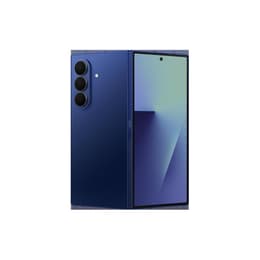
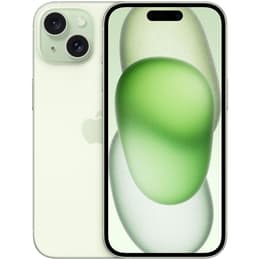
Galaxy Z Fold7 vs iPhone 15
- 1-year warranty
- Free standard shipping
- Free 30-day returns
Differences at a glance
The Samsung Galaxy Z Fold7 (2025) and the Apple iPhone 15 (2023) represent two entirely distinct approaches to modern mobile technology, contrasting an innovative foldable design with a traditional, streamlined slab smartphone format. While the Galaxy Z Fold7 transforms from a standard outer screen into a tablet-sized inner display, the iPhone 15 focuses on refined ergonomics and everyday usability within a candy-bar form factor. Running on Android and iOS respectively, these devices cater to completely different user preferences through distinct hardware configurations.
Available Models
Colour
Storage (GB)
Scores
Durability
Both devices are built to withstand years of regular use, though their hardware architectures and update paths differ significantly in practice.
- Software Support: The Galaxy Z Fold7 benefits from an extended multi-year software update commitment spanning up to seven years, while the iPhone 15 follows a traditional five-year major update cycle from its release year.
- Hardware Longevity: The iPhone 15 utilizes a rigid, single-pane glass and aluminum structure with high repairability scores, whereas the foldable mechanism on the Galaxy Z Fold7 requires careful handling over extended ownership periods despite reinforced hinge technology.
- Expected Lifespan: Both models maintain high structural durability, but users prioritizing long-term software relevance will find distinct advantages in each manufacturer's support schedule.
Release year
2025
2023
Operating system
Android
iOS
Foldable
Yes
No
Performance
Underneath their exteriors, both smartphones deliver responsive daily operation, though they approach multitasking and storage capacity from different angles.
- Multitasking and Memory: The Galaxy Z Fold7 features ample RAM configurations paired with robust processing hardware designed to run multiple split-screen applications simultaneously, whereas the iPhone 15 handles routine app switching and background tasks efficiently within a streamlined operating environment.
- Storage Configurations: Storage options on the Galaxy Z Fold7 scale up to extensive capacities suitable for heavy media archives, while the iPhone 15 offers balanced tiers tailored to mainstream everyday requirements.
- Battery Behavior: Daily battery endurance varies based on screen usage, with the iPhone 15 providing consistent single-day power for standard tasks, while the Galaxy Z Fold7 manages power across two distinct displays depending on whether it is used folded or expanded.
Screen quality
Visual output is a primary differentiator between these two devices, defining how media and productivity tasks are experienced.
- Display Technology: The iPhone 15 utilizes a bright, crisp OLED panel in a standard format, while the Galaxy Z Fold7 opens up to an expansive foldable organic light-emitting diode screen that functions essentially as a small tablet.
- Outdoor Visibility: Both panels offer high peak brightness levels, ensuring clear legibility and vibrant color reproduction even under direct sunlight.
- Viewing Experience: The Galaxy Z Fold7 provides an expansive canvas well-suited for document viewing and media consumption, whereas the iPhone 15 offers a pocket-friendly, single-handed viewing experience.
Resolution
1968x2184
1179 x 2556
Audiovisual
Imaging capabilities on both smartphones accommodate a wide range of photography styles, from casual snapshots to detailed video recording.
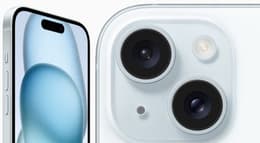
- Camera Systems: The iPhone 15 relies on a versatile dual-lens rear setup with high-resolution default capture, while the Galaxy Z Fold7 incorporates a multi-lens array including a high-pixel primary sensor and specialized optical zoom options.
- Video and Audio: Both models deliver stable, high-definition video recording with clear stereo audio capture suitable for vlogging, video calls, and capturing everyday memories.
- Media Consumption: Built-in stereo speakers on both devices provide balanced sound output for listening to podcasts, watching video clips, and playing games without external speakers.
Miscellaneous
Physical dimensions and connectivity standards shape how each device fits into everyday routines and travel accessories.
- Connectivity: Both models support modern 5G networks, fast Wi-Fi standards, and reliable Bluetooth connectivity for accessories.
- Port and Charging: Both devices utilize the universal USB-C standard for charging and data transfer, moving away from proprietary cables.
- Build and Handling: The iPhone 15 maintains a lightweight, compact footprint that is easy to pocket, whereas the Galaxy Z Fold7 offers a relatively slim foldable body that trades traditional lightness for dual-screen versatility.
Weight
215 oz
171 oz
Screen size (in)
8.0
6.1
Network
5G
5G
SIM card
Dual Physical SIM + eSIM
Physical SIM + eSIM
Carrier compatibility
Unlocked
Unlocked
What the community thinks
When deciding between the Galaxy Z Fold7 and the iPhone 15, user priorities regarding form factor and daily utility serve as the primary guide. Users prioritizing maximum screen workspace, split-screen multitasking, and a tablet-like experience in a pocketable device will find the Galaxy Z Fold7 well-suited to their workflow. Conversely, users prioritizing a lightweight, traditional smartphone design, simplified ergonomics, and a streamlined operating system will lean toward the iPhone 15.
Reviewers and community members often praise the Galaxy Z Fold7 for its expansive folding canvas and processing headroom, though some note the added weight and fold crease as practical considerations. Meanwhile, the iPhone 15 receives frequent commendation for its reliable camera performance and comfortable daily handling, alongside discussions regarding standard screen refresh rates. Exploring quality-assured refurbished options can provide a sustainable choice for acquiring either device while supporting eco-friendly technology consumption.