
Compare models
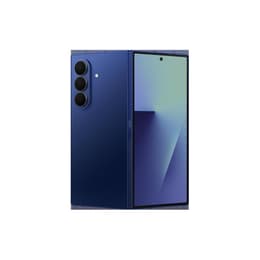
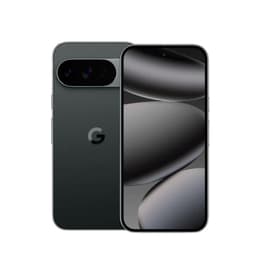
Galaxy Z Fold7 vs Google Pixel 10 Pro XL
- 1-year warranty
- Free standard shipping
- Free 30-day returns
Differences at a glance
The Samsung Galaxy Z Fold7 (2025) and the Google Pixel 10 Pro XL (2025) represent two distinct approaches to modern smartphone design, contrasting a folding screen form factor with a traditional candy-bar style. While both devices serve flagship roles within their respective ecosystems, they cater to fundamentally different user preferences regarding display utility and device geometry. Running on Android, each smartphone delivers distinct software philosophies, blending customized multi-window interfaces with streamlined stock navigation.
Available Models
Colour
Storage (GB)
Scores
Durability
When examining longevity and durability, both devices offer robust support timelines designed to keep software secure and up to date for multiple years. Users prioritizing long-term software updates will find well-supported ecosystems on both models.
- Software support timelines: Both manufacturers provide extended multi-year commitments for operating system upgrades and security patches, ensuring the software remains current throughout the device lifecycle.
- Hardware durability: The Google Pixel 10 Pro XL utilizes a rigid glass-and-metal slab construction, whereas the Galaxy Z Fold7 incorporates complex folding hinge engineering that requires careful handling during everyday mobile use.
- Repairability and maintenance: Traditional slab smartphones generally offer more straightforward repair pathways, while folding displays involve specialized maintenance procedures for inner screen layers.
Release year
2025
2025
Operating system
Android
Android
Foldable
Yes
No
Performance
Performance capabilities dictate how smoothly each device handles everyday applications, demanding multitasking workflows, and mobile gaming sessions. Both platforms deliver responsive computing power backed by generous memory configurations.
- Multitasking and app switching: The Galaxy Z Fold7 leverages its expansive canvas to run multiple applications simultaneously, whereas the Google Pixel 10 Pro XL handles split-screen tasks within a traditional single-screen format.
- Battery behavior and endurance: Both devices manage daily power consumption efficiently, though intense usage of large folding displays or high-brightness slab screens results in differing discharge rates that require daily replenishment.
- System responsiveness: Modern processors and ample memory ensure that launching applications, browsing media-heavy websites, and running demanding graphics engines happen without noticeable stutter on either device.
Screen quality
Display characteristics define the primary point of interaction, offering contrasting visual experiences depending on whether a folding or traditional widescreen format is preferred. Both options utilize advanced panel technologies to deliver sharp text and vivid imagery.
- Display technology and form factor: The Galaxy Z Fold7 features a transformative folding inner screen alongside an outer cover display, while the Google Pixel 10 Pro XL provides a single, expansive flat screen with punchy colors and deep contrast levels.
- Outdoor visibility: High peak brightness capabilities on both models allow for comfortable reading and media viewing under direct sunlight or bright ambient lighting conditions.
- Refresh rate smoothness: Fast refresh rates ensure that scrolling through documents, timelines, and user interfaces appears fluid and responsive across all available screens.
Resolution
1968x2184
1344x2992
Audiovisual
Imaging hardware and audio reproduction shape how each device captures memories and consumes multimedia content. Both smartphones integrate capable multi-lens configurations alongside stereo speaker setups.
- Camera system versatility: The Google Pixel 10 Pro XL leans heavily on advanced computational photography for balanced daily shots and detailed zoom features, while the Galaxy Z Fold7 offers flexible framing options enabled by its folding angles.
- Low-light and video performance: Both devices capture clear details in dim environments and record stable video footage, though each applies distinct color tuning and processing algorithms.
- Media consumption and audio: Built-in stereo speakers provide clear sound output for casual video viewing and voice calls, complemented by responsive microphones for recording clarity.
Miscellaneous
Practical everyday features, connectivity standards, and physical ergonomics dictate how comfortable each device feels during routine transport and handling. Both models incorporate modern standards for wireless communication and biometric security.
- Connectivity and ports: Both smartphones support fast 5G data networks, modern Wi-Fi standards, and Bluetooth accessories, utilizing a reversible USB-C port for charging and data transfer.
- Biometric security and sensors: Fast fingerprint recognition and secure face unlock options provide quick access while protecting personal data against unauthorized use.
- Physical dimensions and handling: The Google Pixel 10 Pro XL presents a wide, traditional profile that fits standard pockets easily, whereas the Galaxy Z Fold7 folds closed into a thicker, narrower shape before opening into a tablet-sized workspace.
Weight
215 oz
232 oz
Screen size (in)
8.0
6.8
Network
5G
5G
SIM card
Dual Physical SIM + eSIM
Physical SIM + eSIM
Carrier compatibility
Unlocked
Unlocked
What the community thinks
User discussions and community feedback indicate that buyers appreciate the Google Pixel 10 Pro XL for its reliable camera processing, comfortable slab ergonomics, and clean interface layout. Common observations point out that its large footprint can feel heavy during prolonged one-handed use. Conversely, users praise the Galaxy Z Fold7 for providing a versatile workspace that transitions effortlessly between a compact phone and a tablet-sized display, though some note the folding crease and distinct pocket thickness require minor adjustments in daily habits.
Users prioritizing a spacious multi-window workspace and innovative hardware flexibility may prefer the Galaxy Z Fold7, while users prioritizing traditional handling, straightforward photography, and a classic smartphone design will lean toward the Google Pixel 10 Pro XL. For those looking for a quality-assured refurbished option, exploring Back Market provides an eco-friendly alternative to purchasing brand-new hardware, supporting a more sustainable approach to upgrading personal technology.