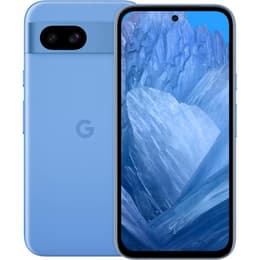

Galaxy Z Fold6 vs Google Pixel 8a

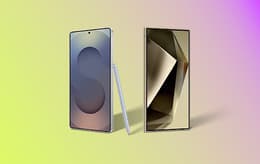
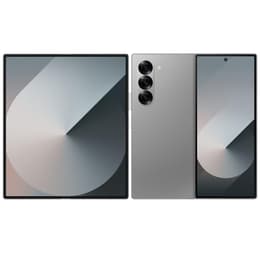
Galaxy Z Fold6
Galaxy Z Fold6
Starting at

Refurbished price:A$1,090.24

Versus A$2,749.00 new

See options
Google Pixel 8a
Google Pixel 8a
Starting at

Refurbished price:A$464.00

Versus A$938.69 new

See options

Ratings

The Samsung Galaxy Z Fold6, released in July 2024, is a cutting-edge foldable smartphone that offers a unique dual-screen experience. In contrast, the Google Pixel 8A, launched in May 2024, presents a more traditional smartphone form factor, focusing on a streamlined user experience and advanced computational photography. These devices cater to different user preferences, with the Z Fold6 emphasizing versatility and a larger display canvas, while the Pixel 8A prioritizes a compact design and intelligent software features.

Scores

Durability

When considering the long-term usability of these devices, both the Galaxy Z Fold6 and the Pixel 8A offer substantial software support, a key factor in their practical lifespan.

  • Software Updates: Both the Samsung Galaxy Z Fold6 and the Google Pixel 8A are committed to providing seven years of software updates, including operating system upgrades and security patches. This extended support ensures that both devices will remain current with the latest features and security enhancements for a considerable period.
  • Physical Durability: The Galaxy Z Fold6 features an enhanced Armor Aluminum frame and an IP48 rating for dust and water resistance, indicating protection against solid objects larger than 1mm and immersion in water. Its inner foldable screen, while improved, is not pure glass and can be susceptible to scratches from sharp objects. The Pixel 8A, on the other hand, has an IP67 rating for dust and water resistance, meaning it can withstand immersion in up to 1 meter of water for 30 minutes. Its display is protected by Gorilla Glass 3, which is an older generation of protective glass, and some users have reported minor scuffs and scratches over time.
  • Expected Practical Lifespan: With extensive software support, both devices are designed for prolonged use. The Z Fold6's complex folding mechanism and screen technology introduce unique durability considerations, while the Pixel 8A's more conventional design, despite its older display glass, offers a robust build for everyday handling.

Release year

2024

2024

Compatible with latest Update

Yes

Yes

Operating system

Android

Android

Foldable

Yes

No

Performance

The performance capabilities of the Galaxy Z Fold6 and the Pixel 8A are tailored to their respective design philosophies and target user experiences.

  • Processing Power: The Galaxy Z Fold6 is equipped with a current-generation processor designed for high-end performance, enabling it to handle demanding applications, intensive multitasking, and graphic-heavy gaming with fluidity. This processor offers significant improvements in CPU, GPU, and NPU performance compared to its predecessors, ensuring a responsive and powerful user experience. The Pixel 8A features a capable processor that delivers smooth performance for daily tasks such as web browsing, social media, and app usage. While it may not match the raw benchmark scores of the highest-tier processors, it is optimized for Google's Android experience and AI features, providing a consistently responsive feel.
  • Multitasking and Storage: The Z Fold6 comes with 12GB of RAM and offers storage options up to 1TB, utilizing UFS 4.0 for fast data access. This ample memory and high-speed storage facilitate seamless multitasking across its large displays and quick loading of large files and applications. The Pixel 8A includes 8GB of RAM and storage options up to 256GB, using UFS 3.1. This configuration is well-suited for typical smartphone usage, allowing for efficient app switching and sufficient space for most users' photos and applications.
  • Thermal Management: The Galaxy Z Fold6 incorporates an enlarged vapor chamber for improved thermal management, which helps maintain performance during extended periods of heavy use, such as gaming or intensive productivity tasks. The Pixel 8A generally handles everyday tasks without significant heat buildup, though sustained heavy loads might lead to some thermal throttling, a common characteristic in its category.

Memory (GB)

12 GB

8 GB

Screen quality

The display experiences offered by the Galaxy Z Fold6 and the Pixel 8A are distinct, reflecting their different form factors and design priorities.

  • Display Technology and Size: The Galaxy Z Fold6 features two Dynamic AMOLED 2X displays. The main foldable screen measures 7.6 inches, offering a large canvas for immersive viewing and productivity. The cover screen is a 6.3-inch display, providing a more traditional smartphone experience when folded. Both displays offer vibrant colors and deep blacks. The Pixel 8A has a single 6.1-inch OLED display, which is compact and easy to handle with one hand.
  • Resolution and Brightness: The Z Fold6's main display has a resolution of 2160x1856 pixels, while its cover screen is 2376x968 pixels. Both screens achieve a peak brightness of 2600 nits, ensuring excellent visibility even in bright outdoor conditions. The Pixel 8A's display offers a 2400x1080 pixel resolution (FHD+) and a peak brightness of 2000 nits (1400 nits HDR), providing clear visuals and good outdoor readability.
  • Refresh Rate and Viewing Experience: Both devices feature adaptive 120Hz refresh rates, contributing to smooth scrolling and fluid animations. The Z Fold6's larger, foldable screen offers a tablet-like experience, ideal for media consumption and multitasking with multiple apps simultaneously. The Pixel 8A's display, while smaller, provides a smooth and colorful viewing experience, though some users note its thicker bezels.

Resolution

1856 x 2160

1080 x 2400

Screen type

Foldable Dynamic LTPO AMOLED 2X

OLED

Audiovisual

Both the Galaxy Z Fold6 and the Pixel 8A offer capable camera systems, though they approach photography with different hardware and software strengths.

  • Rear Camera Systems: The Galaxy Z Fold6 features a versatile triple-camera setup on the rear, including a 50MP wide-angle main sensor with optical image stabilization (OIS), a 12MP ultra-wide lens, and a 10MP telephoto lens with 3x optical zoom and OIS. This configuration allows for a range of photographic styles, from expansive landscapes to detailed zoomed-in shots. The Pixel 8A comes with a dual-camera system, comprising a 64MP main sensor with OIS and a 13MP ultra-wide lens. It leverages Google's advanced computational photography to produce high-quality images, particularly in everyday and low-light conditions.
  • Front Cameras and Video Capabilities: The Z Fold6 includes a 10MP camera on its cover screen and a 4MP under-display camera on the main foldable screen, offering options for selfies and video calls. It supports video recording up to 8K at 30fps with its main camera and 4K at 60fps across most other cameras. The Pixel 8A has a 13MP front-facing camera. Both its ultra-wide and front cameras have fixed focus. It can record 4K video at 60fps with its main rear camera, while the ultra-wide camera is capped at Full HD.
  • Photography Performance and Features: The Z Fold6's camera system is praised for its dynamic range, good exposure, and effective video stabilization, with decent telephoto details. The Pixel 8A is known for its reliable point-and-shoot photography, producing vivid and detail-rich images thanks to Google's image processing. It also includes AI-powered editing features like Magic Eraser and Best Take.

Main camera

50 megapixels

64 megapixels

Front camera

4 megapixels

13 megapixels

Miscellaneous

Beyond core specifications, several practical elements differentiate the Galaxy Z Fold6 and the Pixel 8A in daily use.

  • Connectivity and Ports: Both devices support modern connectivity standards, including 5G, Wi-Fi 6, and Bluetooth 5.3 (Z Fold6) or 5.2 (Pixel 8A). The Z Fold6 features a USB-C 3.1 port, while the Pixel 8A also uses a USB-C port. Neither device includes a traditional 3.5mm headphone jack.
  • Biometrics and Sensors: The Galaxy Z Fold6 incorporates a side-mounted fingerprint sensor and supports S Pen input on its main display. The Pixel 8A features an under-display fingerprint scanner and facial recognition for secure unlocking.
  • Design and Handling: The Z Fold6, with its foldable design, offers a unique form factor that transforms from a compact smartphone to a larger tablet-like device. It weighs 239g. The Pixel 8A is a more compact and lighter device at 188g, with a traditional slab design and a composite back. Its rounded edges contribute to a comfortable in-hand feel.

Weight

239 oz

188 oz

Screen size (in)

7.6

6.1

Network

5G

5G

SIM card

Dual Physical SIM + eSIM

Physical SIM + eSIM

Carrier compatibility

Unlocked

Unlocked

The Samsung Galaxy Z Fold6 and the Google Pixel 8A cater to distinct user needs, each excelling in different areas based on user feedback and specifications.

Users frequently praise the Galaxy Z Fold6 for its innovative foldable design, which provides a large, immersive screen for productivity and media consumption. Its powerful processor and versatile camera system, including a telephoto lens, are also common points of appreciation. However, some users express concerns about the durability of the inner foldable screen and the hinge's susceptibility to dust ingress in certain extreme tests.

The Google Pixel 8A is widely lauded for its exceptional camera performance, particularly its computational photography capabilities that deliver consistent and high-quality images across various conditions. Its long software support, bright display, and smooth everyday performance are also frequently highlighted as strengths. Criticisms often revolve around the presence of thicker display bezels and the use of older Gorilla Glass for screen protection.

Users prioritizing a large, adaptable screen for multitasking, immersive media, and a premium, cutting-edge experience may prefer the Samsung Galaxy Z Fold6. Its robust performance and comprehensive camera setup make it suitable for power users and those who value the unique foldable form factor. Conversely, users who value a more compact, traditional smartphone design with a focus on outstanding photography, a clean software experience, and long-term software support will find the Google Pixel 8A to be a compelling choice. It is particularly well-suited for those who appreciate intelligent software features and a reliable camera without the need for a foldable display.

For those considering either device, exploring quality-assured refurbished options can provide an eco-friendly alternative to purchasing new, allowing access to these advanced technologies sustainably.
See all articles

Our recent comparisons