
Samsung
Compare models
Differences at a glance
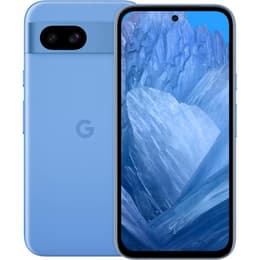
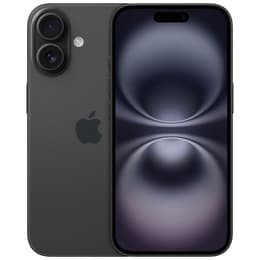
The Google Pixel 8a, released in May 2024, and the iPhone 16, launched in September 2024, represent distinct approaches to the modern smartphone experience. While both devices offer robust performance and advanced camera systems, they cater to different user preferences through their respective operating systems and design philosophies. The Pixel 8a focuses on Google's AI integration and a long software support timeline, whereas the iPhone 16 emphasizes Apple's ecosystem, enhanced durability, and a refined user interface.
Colour
Storage (GB)
When considering the longevity of these devices, both the Google Pixel 8a and the iPhone 16 offer substantial software support and physical resilience, though with differing specifics.
Release year
Compatible with latest Update
Foldable
The performance capabilities of the Google Pixel 8a and the iPhone 16 are tailored by their respective manufacturers, each delivering a smooth experience for daily tasks and more demanding applications.
The visual experience on the Google Pixel 8a and the iPhone 16 is delivered through high-quality displays, each with specific characteristics that influence clarity, brightness, and smoothness.
Resolution
Screen type
Both the Google Pixel 8a and the iPhone 16 offer advanced camera systems, each leveraging their respective software and hardware to capture high-quality photos and videos.
Main camera
Front camera
Beyond their core features, the Google Pixel 8a and the iPhone 16 present various practical differences in connectivity, physical design, and additional functionalities.
Weight
Screen size (in)
Network
SIM card
Carrier compatibility
Connector
The Google Pixel 8a and the iPhone 16 each offer compelling features, appealing to different user priorities. The Pixel 8a is frequently praised by users for its exceptional camera performance, leveraging Google's advanced computational photography to deliver impressive images. Its compact size and the clean, intuitive Android experience are also common highlights. Users appreciate the long-term software support commitment, ensuring the device remains current for an extended period. Some users, however, have noted that while the battery life is generally sufficient for a full day, it might not always match the endurance of some other devices under heavy usage. The noticeable bezels around the display are another point of discussion among some users.
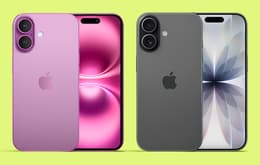
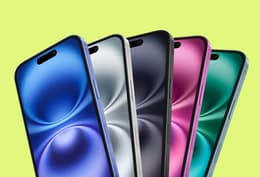
Conversely, the iPhone 16 receives positive feedback for its refined design and the vibrant color options available. Its robust durability, thanks to the Ceramic Shield and IP68 rating, is a significant advantage for users seeking a resilient device. The improved battery life over previous iPhone models is also a welcome enhancement. A frequent criticism, however, is the 60Hz refresh rate of its display, which some users find less smooth compared to devices with higher refresh rates. The aluminum frame, while contributing to durability, has been observed to be prone to minor scratches.
Users prioritizing a device with industry-leading computational photography, a pure Android experience, and extended software longevity may find the Google Pixel 8a well-suited to their needs. Its compact form factor also appeals to those who prefer smaller phones. On the other hand, individuals who value a highly durable device within the Apple ecosystem, with strong performance for demanding applications and a focus on video capabilities, may lean toward the iPhone 16. Both devices are available as quality-assured refurbished options, providing an eco-friendly alternative for consumers.