
Smartphones
Compare models
Differences at a glance
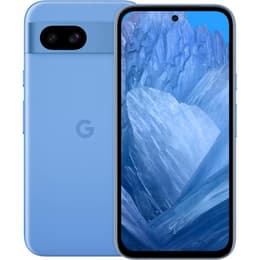
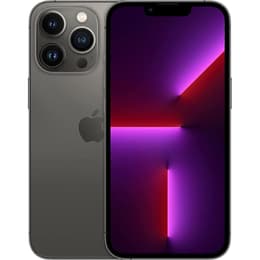
The Google Pixel 8a, released in May 2024, and the iPhone 13 Pro, launched in September 2021, represent distinct approaches to smartphone design and functionality. While both offer capable performance and advanced camera systems, they differ significantly in their operating systems, long-term software support, and specific hardware capabilities. The Pixel 8a runs on Android, emphasizing AI-driven features, while the iPhone 13 Pro operates on iOS, known for its integrated ecosystem and robust performance.
Colour
Storage
When considering the practical lifespan of these devices, several factors come into play, including their release timelines, software support, and physical resilience.
Release year
Compatible with latest Update
Operating system
Foldable
The performance of a smartphone is crucial for daily tasks, from app usage to demanding applications. Both devices offer capable internal components designed for smooth operation.
The display is a primary interface for smartphone interaction, and both devices offer vibrant and clear viewing experiences with distinct characteristics.
Resolution
Screen type
The camera systems on both the Google Pixel 8a and iPhone 13 Pro are central to their appeal, each offering distinct strengths for photography and videography.
Main camera
Front camera
Beyond core performance and camera, several practical elements differentiate these smartphones, impacting daily usability and connectivity.
Weight
Screen size (in)
Network
SIM card
Carrier compatibility
Connector
The Google Pixel 8a and iPhone 13 Pro cater to users with differing priorities, reflecting their distinct operating systems and design philosophies. User feedback for the Pixel 8a often praises its exceptional camera capabilities, particularly its AI-driven photo enhancements, and the promise of extended software support. Some users note its solid battery life for moderate use and the smooth experience provided by its display. Criticisms sometimes point to its plastic back and the fact that its raw performance, while good, might not match the absolute top-tier devices.
The iPhone 13 Pro is frequently lauded for its robust performance, excellent battery life even under heavy use, and its versatile camera system, especially the addition of a telephoto lens and advanced video features like Cinematic Mode. Its ProMotion display is also a common highlight for its smoothness. Some users might find its proprietary Lightning port less convenient than the more universal USB-C, and its repairability, while decent for core components, can be challenging for third-party services.
Users prioritizing long-term software updates and a strong focus on AI-powered photography, along with a slightly lighter build, may find the Google Pixel 8a to be a compelling choice. Conversely, users who value a premium build, a highly capable and versatile camera system with optical zoom, and top-tier raw performance for demanding applications might lean towards the iPhone 13 Pro. Both devices offer a quality-assured refurbished option, providing an eco-friendly alternative for consumers.