
Compare models
Galaxy Z Fold5 vs iPhone 17 Pro Max
- 1-year warranty
- Free standard shipping
- Free 30-day returns
Differences at a glance
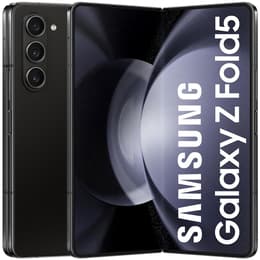
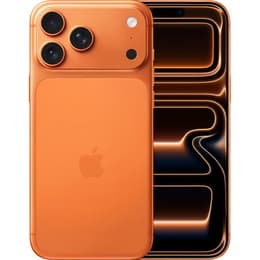
The Samsung Galaxy Z Fold5 (2023) and the Apple iPhone 17 Pro Max (2025) represent two distinct approaches to high-end mobile engineering: a versatile foldable device with a transforming dual-screen layout and a traditional slate smartphone featuring an expansive single display. Operating on Android and iOS respectively, these devices cater to users looking for maximum screen estate through fundamentally different physical form factors.
Available Models
Colour
Storage (GB)
Scores
Durability
Evaluating the lifespan and durability of these devices involves balancing release timelines, software maintenance schedules, and physical design configurations.
- Release Timeline and Software Support: The iPhone 17 Pro Max benefits from a newer release year, aligning with Apple's standard multi-year software update cycle. The Galaxy Z Fold5, having launched earlier, operates further along its designated Android software support window.
- Physical Longevity: The iPhone 17 Pro Max utilizes a rigid unibody frame designed to withstand routine drops. In contrast, the Galaxy Z Fold5 incorporates a complex mechanical hinge system and a flexible internal screen that require careful handling over years of daily folding and unfolding.
- Repairability and Maintenance: Both models require specialized technician support for major hardware repairs, though traditional slate designs generally experience fewer mechanical vulnerabilities over extended periods of use compared to foldable configurations.
Release year
2023
2025
Compatible with latest Update
Yes
Yes
Operating system
Android
iOS
Foldable
Yes
No
Performance
Performance capabilities dictate how smoothly each device handles everyday multitasking, heavy applications, and extended periods away from a power source.
- System Responsiveness and Multitasking: Both smartphones feature robust processing configurations paired with ample memory, allowing demanding productivity apps, intensive games, and split-screen workflows to run without noticeable stutter.
- Battery Behavior: The iPhone 17 Pro Max manages power efficiently to support a full day of mixed use on a single charge. The Galaxy Z Fold5 splits its energy consumption between an outer cover screen and a larger internal tablet-sized display, meaning heavy use of the main inner screen requires more frequent charging.
- Storage Configurations: Both devices offer multiple tiered storage capacities starting at high baseline levels, accommodating large photo libraries, downloaded media, and offline documents without expandable storage slots.
Screen quality
The viewing experience constitutes one of the most significant distinctions between these two models due to their contrasting display architectures.
- Display Technology and Layout: The iPhone 17 Pro Max relies on a single, continuous OLED panel with high pixel density and adaptive refresh rates up to 120Hz. The Galaxy Z Fold5 provides a dual-screen experience, pairing a usable outer cover display with an expansive 7.6-inch folding internal screen that functions like a small tablet.
- Brightness and Outdoor Legibility: Both models achieve high peak brightness levels, ensuring content remains clear and readable when used under direct sunlight or in brightly lit environments.
- Visual Immersion: Users who consume media or manage spreadsheets on a square-like canvas will find the foldable internal screen uniquely suited to their workflows, while traditional video aspect ratios fit seamlessly onto the widescreen format of the iPhone.
Audiovisual
Imaging hardware and media output capabilities shape how each device captures memories and reproduces audio content.
- Camera Systems: The iPhone 17 Pro Max features a versatile multi-lens rear array equipped with high-resolution sensors designed for detailed everyday photography, wide-angle shots, and extended optical zoom. The Galaxy Z Fold5 utilizes a reliable triple-camera setup that adapts to various angles, including taking photos while the device is half-folded on a flat surface.
- Video and Audio Recording: Both smartphones deliver stable, high-definition video capture with clear multi-microphone audio separation for calls and recorded clips.
- Media Consumption: Stereo speakers on both models provide balanced sound output for hands-free calls, casual video watching, and audio playback.
Front camera
4 megapixels
18 megapixels
Miscellaneous
Practical everyday elements such as connectivity standards, physical handling, and build materials influence how these devices fit into daily routines.
- Connectivity and Ports: Both models support rapid 5G cellular networks, modern Wi-Fi protocols, and Bluetooth standards, using reversible USB-C style connections for charging and wired data transfer (alongside proprietary wireless charging ecosystems on Apple).
- Handling and Dimensions: The iPhone 17 Pro Max maintains a wide slate profile that requires two-handed use for comfortable reach. The Galaxy Z Fold5 offers a narrow, phone-like width when closed, making it easy to hold in one hand, though it becomes thicker and heavier in the pocket than a standard smartphone.
- Build Materials: Both devices incorporate reinforced glass and durable metallic frame components designed to protect internal hardware against daily wear.
Weight
150 oz
233 oz
Screen size (in)
7.6
6.9
Network
4G
5G
SIM card
Dual Physical SIM + eSIM
Physical SIM + eSIM
Carrier compatibility
Unlocked
Unlocked
What the community thinks
User discussions across community forums highlight distinct patterns of praise and common considerations for both devices. Owners of the Galaxy Z Fold5 frequently praise its transformative multitasking layout and the productivity boost of having a tablet-sized screen that folds down to pocket size, while noting that the inner screen crease and battery drain from heavy multitasking require some adjustment. Conversely, users of the iPhone 17 Pro Max frequently commend its robust build consistency, reliable battery endurance, and fluid single-screen experience, though some point out that its large slate dimensions lack the multi-window flexibility of a foldable form factor.
Users prioritizing expansive multitasking space, split-screen productivity, and a transforming screen layout will find the Galaxy Z Fold5 well-suited to their workflow. Meanwhile, users prioritizing a reliable all-day battery, traditional software simplicity, and a sturdy single-panel viewing experience may lean toward the iPhone 17 Pro Max. For consumers interested in a sustainable choice, a quality-assured refurbished option provides an eco-friendly alternative to purchasing brand-new hardware. Choosing between the two ultimately depends on whether a versatile folding design or a conventional high-performance smartphone better matches daily habits.