
Compare models
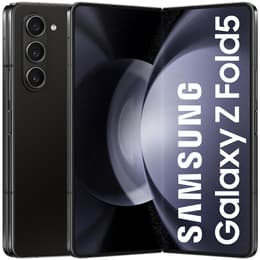
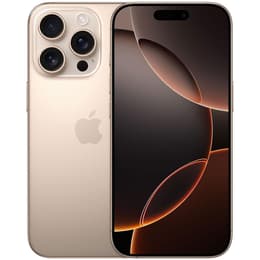
Galaxy Z Fold5 vs iPhone 16 Pro
- 1-year warranty
- Free standard shipping
- Free 30-day returns
Differences at a glance
The Samsung Galaxy Z Fold5, released in July 2023, represents a significant offering in the foldable smartphone market, providing a unique tablet-like experience in a pocketable form factor. In contrast, the Apple iPhone 16 Pro, launched in September 2024, continues Apple's tradition of high-performance, premium slab smartphones. The primary distinction lies in their fundamental design: the Z Fold5 offers a large, folding internal display for enhanced productivity and media consumption, while the iPhone 16 Pro focuses on a refined traditional smartphone experience with a powerful ecosystem and advanced camera capabilities. Both devices operate on distinct platforms, with the Z Fold5 running Android and the iPhone 16 Pro utilizing iOS.
Available Models
Colour
Storage (GB)
Scores
Durability
When considering the long-term usability and physical resilience of these devices, their release timelines and inherent designs play a crucial role.
- Software Longevity: The iPhone 16 Pro, being an Apple device, typically receives iOS updates for an extended period, often 5-6 years from its release in September 2024, potentially extending its practical software lifespan further than many Android counterparts. The Galaxy Z Fold5, released in July 2023, runs Android and generally receives 4-5 years of major OS updates and security patches.
- Physical Durability: The Galaxy Z Fold5 features an Armor Aluminum frame and Gorilla Glass Victus 2 on its cover screen, along with an IPX8 water resistance rating, meaning it can withstand submersion in water. Its new Flex Hinge allows it to fold completely flat, contributing to a more compact and potentially more robust design compared to previous generations. The iPhone 16 Pro incorporates Ceramic Shield protection for its display and a durable titanium frame, offering IP68 water and dust resistance. However, some durability tests for the iPhone 16 Pro have indicated that its ultra-thin bezels might make the display panel more susceptible to damage from side impacts.
- Repairability: While specific repairability scores can vary, both devices are complex, high-end smartphones. The Z Fold5's folding mechanism introduces additional components that can influence repair processes. The iPhone 16 Pro, despite its robust build, has shown some concerns regarding display fragility in certain drop scenarios.
Release year
2023
2024
Compatible with latest Update
Yes
Yes
Foldable
Yes
No
Performance
The performance of both the Galaxy Z Fold5 and the iPhone 16 Pro is designed to handle demanding tasks, though they achieve this through different hardware and software optimizations.
- Processing Power: The Galaxy Z Fold5 is equipped with a current-generation processor optimized for Galaxy devices, enabling smooth operation across various applications and efficient multitasking, particularly when utilizing its large internal display. The iPhone 16 Pro features Apple's latest Pro-series chip, which delivers substantial performance gains, especially in CPU and GPU tasks, ensuring a highly responsive user experience for gaming, video editing, and other intensive applications.
- Multitasking and Responsiveness: The Z Fold5 comes with 12GB of RAM, which is beneficial for its extensive multitasking capabilities on the large foldable screen, allowing users to run multiple applications simultaneously without significant slowdowns. The iPhone 16 Pro, with 8GB of memory, is also highly capable in multitasking, leveraging iOS's efficient memory management to maintain fluidity even with numerous apps open.
- Battery Behavior: The Galaxy Z Fold5 houses a 4400mAh battery, which, combined with its efficient processor, aims to provide all-day power for typical usage, though heavy use of the larger internal screen may require more frequent charging. The iPhone 16 Pro features a 3582mAh battery, and user reports suggest it offers good battery life, with improvements over its predecessor, capable of lasting through a full day for many users.
Screen quality
The display experience on the Galaxy Z Fold5 and iPhone 16 Pro differs significantly due to their form factors, offering distinct advantages for various user preferences.
- Display Technology and Size: The Galaxy Z Fold5 features two Dynamic AMOLED 2X displays: a 7.6-inch foldable main screen and a 6.2-inch cover screen. This allows for a versatile experience, switching between a traditional smartphone and a larger tablet-like interface. The iPhone 16 Pro boasts a 6.3-inch Super Retina XDR OLED display, offering a single, expansive viewing area.
- Resolution and Clarity: The Z Fold5's main display has a resolution of 2176x1812 pixels (373 PPI), while its cover screen is 2316x904 pixels (412 PPI), both providing sharp visuals. The iPhone 16 Pro's display features a resolution of 2622x1206 pixels (460 PPI), delivering crisp and detailed images.
- Brightness and Smoothness: Both devices offer vibrant colors and excellent contrast typical of OLED panels. The Z Fold5's displays can reach a peak brightness of up to 1750 nits, ensuring good visibility outdoors. The iPhone 16 Pro's display offers a typical brightness of 1000 nits, peaking at 1600 nits for HDR content and up to 2000 nits outdoors, providing strong visibility in various lighting conditions. Both phones feature adaptive refresh rates up to 120Hz, contributing to smooth scrolling and responsive interactions. The Z Fold5's main screen has a noticeable crease in the middle, which is less pronounced than previous models but still visible.
Resolution
1812 x 2176
1206 x 2622
Screen type
Foldable Dynamic AMOLED 2X
LTPO Super Retina XDR OLED
Audiovisual
Both the Galaxy Z Fold5 and iPhone 16 Pro offer advanced camera systems, but with different strengths and computational approaches to photography and videography.
- Rear Camera Systems: The Galaxy Z Fold5 features a triple-camera setup with a 50MP main sensor, a 12MP ultrawide, and a 10MP telephoto lens with 3x optical zoom. It supports 8K video recording at 30fps. The iPhone 16 Pro also has a triple-camera system, including a 48MP main camera, a 48MP ultrawide sensor, and a telephoto lens with 5x optical zoom, now available on both Pro models. It excels in video recording quality, offering class-leading stabilization and dynamic range.
- Photography Performance: The Z Fold5 produces images with good color reproduction and dynamic range in well-lit conditions, though some users note a tendency for oversaturation. Its low-light performance is generally good, especially at 1x or 3x zoom. The iPhone 16 Pro's cameras deliver consistent image quality across its lenses, with refined processing and strong computational photography, particularly benefiting low-light and challenging scenes. The 48MP ultrawide sensor is a significant upgrade for detailed wide-angle shots.
- Selfie Cameras and Audio: The Z Fold5 includes a 10MP cover screen selfie camera and a 4MP under-display camera on the main screen, with the latter being primarily suited for video calls due to lower image quality. The iPhone 16 Pro features a 12MP TrueDepth front camera. Both devices offer good microphone quality for calls and video recording, and their stereo speakers provide a capable audio experience for media consumption.
Main camera
50 megapixels
48 megapixels
Front camera
4 megapixels
12 megapixels
Miscellaneous
Beyond core performance and display, several practical elements differentiate the user experience of the Galaxy Z Fold5 and iPhone 16 Pro.
- Connectivity and Ports: Both devices support 5G connectivity for fast mobile data. The Galaxy Z Fold5 supports Wi-Fi 6E and Bluetooth 5.3. The iPhone 16 Pro supports Wi-Fi 7 and Bluetooth 5.4, offering potentially faster and more stable wireless connections. Both models have transitioned to USB-C for charging and data transfer.
- Biometric Security and Features: The Z Fold5 features a side-mounted fingerprint sensor for secure unlocking. The iPhone 16 Pro relies on Face ID for facial recognition. The Z Fold5 also supports the S Pen, enhancing its productivity capabilities on the large internal screen. The iPhone 16 Pro introduces an Action Button, customizable for quick access to various functions.
- Design and Handling: The Galaxy Z Fold5 weighs 253g and has dimensions that make it thicker when folded (13.4mm) but very thin when unfolded (6.1mm). Its narrow cover screen can be convenient for one-handed use. The iPhone 16 Pro is lighter at 199g and has a more traditional slab design (8.25mm thick), with a slightly larger 6.3-inch display and thinner bezels compared to its predecessors, enhancing screen real estate without significantly increasing overall device size.
Weight
253 oz
199 oz
Screen size (in)
7.6
6.3
Network
5G
5G
SIM card
Physical SIM + eSIM
Physical SIM + eSIM
Carrier compatibility
Unlocked
Unlocked
Connector
USB-C
USB-C (USB 3)
What the community thinks
The Samsung Galaxy Z Fold5 and iPhone 16 Pro cater to different user needs and preferences, each excelling in its respective domain. Users often praise the Z Fold5 for its innovative foldable design, offering a versatile large screen for multitasking and media consumption, effectively combining a smartphone and a small tablet. Its robust hinge and powerful performance are frequently highlighted as strong points. However, common criticisms include its bulk and weight compared to traditional smartphones, and the visible crease on the main display, though improved, remains a point of discussion.
The iPhone 16 Pro is lauded for its consistent high performance, advanced camera system, and the seamless integration within the Apple ecosystem. Users appreciate its refined design, improved battery life, and the quality of its display. Some concerns have been raised regarding the durability of its ultra-thin bezels in certain drop scenarios, suggesting that while the overall build is strong, specific impact points might be more vulnerable.
For users prioritizing a large, adaptable screen for productivity, content creation, or immersive media viewing, the Galaxy Z Fold5 presents a compelling option. Its ability to transform from a compact phone to a tablet-like device offers unique utility. Conversely, individuals who prefer a traditional smartphone form factor with top-tier performance, a highly capable camera for photography and videography, and a long software support lifespan will find the iPhone 16 Pro well-suited to their needs. Both devices represent the pinnacle of their respective categories, offering distinct experiences. For those considering either device, exploring quality-assured refurbished options can provide an eco-friendly alternative.