Compare models
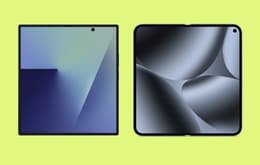
Galaxy Z Fold4 vs Google Pixel 9 Pro
- 1-year warranty
- Free standard shipping
- Free 30-day returns
Differences at a glance
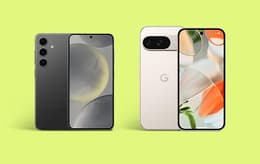
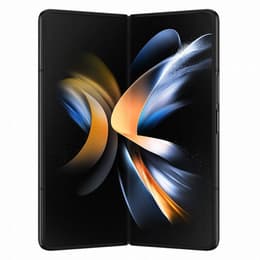
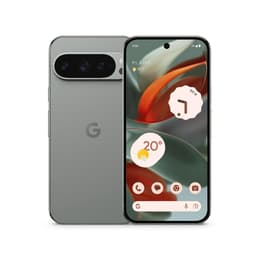
The Samsung Galaxy Z Fold4 (2022) and the Google Pixel 9 Pro (2024) represent two distinct visions of modern smartphone engineering. While the Galaxy Z Fold4 provides a tablet-sized folding display within a pocketable device, the Google Pixel 9 Pro focuses on a traditional slate form factor paired with advanced photographic capabilities and artificial intelligence tools. Both run on the Android operating system, yet they deliver fundamentally different hardware experiences suited to very different daily routines.
Choosing between these two models involves weighing the versatility of a transforming screen against the refined ergonomics and camera performance of a standard flagship smartphone.
Available Models
Colour
Storage
Scores
Durability
Evaluating the long-term viability of these devices reveals differences in their release timelines, software support schedules, and hardware maintenance considerations.
- Software Support Timelines: The Google Pixel 9 Pro benefits from an extended software update commitment, ensuring security and operating system updates for several years longer than the Galaxy Z Fold4 due to its newer release year.
- Hardware Durability: The Galaxy Z Fold4 features complex folding hinge mechanisms and flexible inner screens that require careful handling, whereas the Google Pixel 9 Pro uses a conventional rigid glass and metal slate design with robust water resistance ratings.
- Repairability Considerations: Standard slate devices like the Pixel 9 Pro generally present simpler maintenance procedures compared to folding screen technology, though choosing a quality-assured refurbished option from Back Market helps extend the lifecycle of either device sustainably.
Release year
2022
2024
Operating system
Android
Android
Foldable
Yes
No
Performance
Day-to-day operation, multitasking capabilities, and battery endurance vary significantly based on how each device manages its internal hardware and screen architecture.
- Multitasking and App Handling: Both devices manage demanding applications, intensive gaming, and split-screen workflows smoothly, though the Galaxy Z Fold4 offers physical screen estate that naturally enhances side-by-side app usage.
- Storage and Memory: Generous memory configurations on both models ensure background apps remain active without sudden reloading, paired with varied internal storage tiers to accommodate large media libraries and documents.
- Battery Behavior: The Galaxy Z Fold4 requires frequent charging during heavy usage of its large inner display, while the Google Pixel 9 Pro's conventional screen size helps sustain reliable battery endurance through a full day of mixed tasks.
Screen quality
Visual output differs fundamentally due to the contrasting screen architectures, influencing everything from media viewing to outdoor readability.
- Display Technology: The Galaxy Z Fold4 utilizes a foldable inner organic light-emitting diode panel that expands into a near-square tablet workspace, complemented by a narrower outer cover screen.
- Brightness and Clarity: The Google Pixel 9 Pro features a bright, high-resolution flat panel that maintains excellent legibility under direct sunlight and offers consistent color accuracy across everyday tasks.
- Refresh Rate and Motion: Both devices support high refresh rates up to 120Hz, ensuring smooth scrolling through web pages, fluid animations, and responsive touch feedback during navigation.
Resolution
1812 x 2176
1280x2856
Audiovisual
Capturing memories and consuming media involve distinct sensor arrays, processing pipelines, and acoustic setups on each device.
- Camera Systems: The Google Pixel 9 Pro relies on advanced computational photography algorithms paired with versatile primary, ultra-wide, and telephoto lenses to deliver detailed shots in challenging lighting conditions.
- Video and Audio Output: Both models record crisp high-definition video with effective stabilization, while their stereo speaker configurations provide clear audio output for casual media streaming and speakerphone calls.
- Selfie and Flexible Shooting: The Galaxy Z Fold4 offers unique framing capabilities by utilizing its folding design to prop itself up on flat surfaces for hands-free photo and video capture.
Miscellaneous
Physical dimensions, connectivity standards, and daily handling characteristics complete the overall user experience of each smartphone.
- Handling and Weight: The Galaxy Z Fold4 carries a heavier footprint and folds into a tall, narrow shape, whereas the Google Pixel 9 Pro follows standard ergonomic slate dimensions that rest comfortably in one hand.
- Connectivity and Ports: Both devices support modern 5G cellular networks, high-speed Wi-Fi standards, and Bluetooth connections, utilizing reversible USB-C ports for charging and data transfer.
- Biometric Security: Each model provides secure authentication through facial recognition and side-mounted or under-display fingerprint sensors for quick device unlocking.
Weight
282 oz
199 oz
Screen size (in)
7.6
6.3
Network
5G
5G
SIM card
Physical SIM + eSIM
Physical SIM + eSIM
Carrier compatibility
Unlocked
Unlocked
What the community thinks
Real-world feedback from device owners highlights distinct patterns of praise and common concerns for each model. Users frequently praise the Galaxy Z Fold4 for transforming productivity and media consumption through its expansive inner display, though some note the narrower cover screen takes time to master. Conversely, owners of the Google Pixel 9 Pro often highlight its reliable battery performance, comfortable ergonomics, and consistent camera output, while occasional discussions focus on the traditional screen limitations compared to folding alternatives. For those looking to make a sustainable choice, opting for a quality-assured refurbished option provides an eco-friendly path to owning either device.
Users prioritizing maximum screen workspace for multitasking and document editing will find the Galaxy Z Fold4 well-suited to their workflow. Meanwhile, users prioritizing a comfortable single-handed design, reliable battery endurance, and advanced photography capabilities may lean toward the Google Pixel 9 Pro. Evaluating these daily practical factors helps determine which configuration aligns most closely with individual usage preferences.