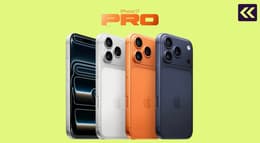
Compare models
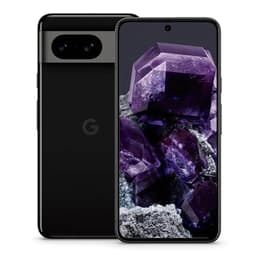
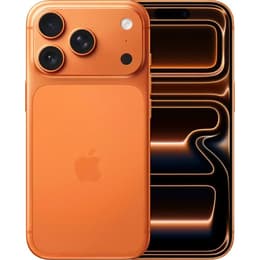
Google Pixel 8 vs iPhone 17 Pro
- 1-year warranty
- Free standard shipping
- Free 30-day returns
Differences at a glance
The Google Pixel 8 (2023) and the iPhone 17 Pro (2025) represent modern smartphone engineering from two major technology ecosystems. Operating on Android and iOS respectively, these devices cater to users seeking refined mobile experiences with distinct software environments.
While the Pixel 8 focuses on everyday utility and streamlined software integration, the iPhone 17 Pro emphasizes high-end processing power and advanced imaging capabilities. Understanding how these features align with daily habits helps determine which model suits a particular user.
Available Models
Colour
Storage (GB)
Scores
Durability
Long-term usability depends heavily on software update commitments and hardware endurance over several years of regular usage.
- Software Support: The Google Pixel 8 receives extended multi-year system updates, while the iPhone 17 Pro benefits from a traditionally long software support lifecycle typical of Apple devices.
- Repairability: Both manufacturers provide structured repair programs, though component availability and service options vary depending on local repair networks.
- Expected Lifespan: Robust build materials and sustained software performance ensure that both devices remain functional and secure for years of daily operation.
Release year
2023
2025
Compatible with latest Update
Yes
Yes
Operating system
Android
iOS
Foldable
No
No
Performance
System responsiveness and memory configuration dictate how smoothly demanding applications and routine multitasking execute.
- Multitasking and Speed: The iPhone 17 Pro handles heavy mobile gaming and intensive software processing with exceptional efficiency, while the Google Pixel 8 manages everyday multitasking, web browsing, and social media apps smoothly.
- Storage Configurations: Both devices offer various internal storage tiers to accommodate personal media, documents, and applications without external expansion.
- Battery Behavior: Battery endurance varies based on usage intensity, with the Pixel 8 providing enough charge for a typical day of moderate tasks, and the iPhone 17 Pro offering optimized power management for extended mixed usage.
Screen quality
Display technology influences viewing comfort for media consumption, reading, and outdoor visibility under bright light.
- Display Technology: Both models utilize vibrant OLED panels that deliver deep contrast levels, sharp details, and accurate color reproduction.
- Brightness and Outdoors: High peak brightness levels on both screens ensure legibility under direct sunlight during outdoor navigation or reading.
- Refresh Rates: High refresh rate support enables smooth scrolling through web pages and fluid animations across the user interface.
Resolution
1080 x 2400
2622x1206
Screen type
OLED
Super Retina XDR
Audiovisual
Imaging hardware and software processing determine the quality of still photographs, video recording, and audio capture in various environments.
- Camera Systems: The Google Pixel 8 relies on computational photography for clear everyday shots and balanced low-light images, whereas the iPhone 17 Pro incorporates a versatile multi-lens setup including high-resolution telephoto capabilities.
- Video Recording: Video capture features robust stabilization and high dynamic range, making both devices reliable tools for recording stable home videos or professional content.
- Audio Performance: Integrated stereo speakers deliver clear media playback, while multi-microphone arrays capture clean audio during phone calls and voice recordings.
Main camera
50 megapixels
48 megapixels
Front camera
10.5 megapixels
18 megapixels
Miscellaneous
Physical dimensions, connectivity standards, and daily handling characteristics complete the overall user experience.
- Connectivity: Both smartphones support modern 5G cellular networks, high-speed Wi-Fi standards, and Bluetooth for accessory pairing.
- Physical Design: Ergonomic dimensions and balanced weight distribution make both devices comfortable for one-handed messaging and pocket storage.
- Authentication: Secure biometric options include facial recognition and fingerprint scanning for quick device unlocking and payment authorization. Choosing a quality-assured refurbished option from Back Market provides a sustainable path to acquiring either device while reducing electronic waste.
Weight
187 oz
206 oz
Screen size (in)
6.2
6.3
Network
5G
5G
SIM card
Physical SIM + eSIM
eSIM
Carrier compatibility
Unlocked
Unlocked
Connector
USB-C
USB-C
What the community thinks
User feedback from online communities highlights distinct preferences for each ecosystem. Google Pixel 8 owners frequently praise the clean software interface, reliable everyday camera performance, and intuitive voice-to-text features. On the other hand, iPhone 17 Pro users often emphasize the robust build quality, fluid processing speeds for demanding tasks, and long battery endurance during heavy workflows.
Users prioritizing a straightforward, integrated Android experience with strong software support may prefer the Google Pixel 8. Conversely, users who require advanced camera versatility and heavy processing capabilities will find the iPhone 17 Pro well-suited to their needs. Evaluating these core priorities helps guide an informed decision. Opting for a quality-assured refurbished option through Back Market offers a sustainable choice that extends the lifecycle of these capable devices.