
Compare models

Galaxy Z Flip7 vs iPhone 16 Plus

  • 1-year warranty
  • Free standard shipping
  • Free 30-day returns
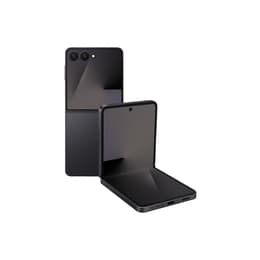
Galaxy Z Flip7
Starting at

Refurbished price:A$840.00

Versus A$1,799.00 new

See options
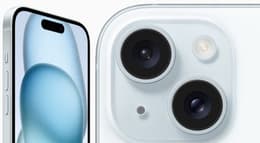
iPhone 16 Plus
Starting at

Refurbished price:A$899.00

Versus A$1,599.00 new

See options

Differences at a glance

The Samsung Galaxy Z Flip7 (2025) and the Apple iPhone 16 Plus (2024) represent two distinct approaches to modern mobile design, pairing a foldable clamshell form factor with a traditional large-screen smartphone format. While they cater to different hardware preferences, both devices offer modern features, capable multitasking internals, and distinct operating systems.

Choosing between them involves weighing the compact portability of a folding display against the reliable, fixed canvas of a standard large-screen handset.

Available Models

Colour

Storage (GB)

Scores

Durability

Both smartphones provide robust build quality and long-term utility, though their physical construction and software update timelines differ.

  • Software Support and Longevity: The iPhone 16 Plus runs on iOS with a long-standing history of multi-year system upgrades, whereas the Galaxy Z Flip7 operates on Android with an extensive manufacturer commitment to regular security patches and platform refreshes.
  • Hardware Durability: The iPhone 16 Plus utilizes a rigid aluminum and glass slab construction with standardized water resistance, while the Galaxy Z Flip7 features a folding hinge mechanism that requires careful handling alongside modern protective outer glass layers.
  • Expected Lifespan: Both models are built to remain functional for years of daily use, though traditional slate designs typically experience fewer mechanical points of wear over extended periods compared to folding devices.

Release year

2025

2024

Foldable

Yes

No

Performance

Both devices deliver smooth everyday performance, handling web browsing, social media feeds, and demanding applications without notable stuttering.

  • Multitasking and System Memory: Both smartphones pack ample memory configurations to keep numerous browser tabs and background applications active simultaneously without frequent reloading.
  • Battery Behavior: The iPhone 16 Plus relies on a large traditional battery capacity that comfortably handles heavy daily use, while the Galaxy Z Flip7 manages its power demands through efficient internal hardware to sustain typical daily usage patterns.
  • Storage Configurations: Both devices offer multiple tiered storage capacities starting at baseline levels suitable for standard media libraries and applications, scaling up to larger options for extensive file storage.

Screen quality

Display technology is a primary differentiator, contrasting a flexible folding panel with a spacious, traditional viewing surface.

  • Display Technology: The Galaxy Z Flip7 features a folding main screen alongside a functional outer cover display for quick interactions, while the iPhone 16 Plus deploys a bright, expansive OLED panel with fixed dimensions.
  • Outdoor Visibility: Both displays offer high peak brightness metrics, ensuring content remains legible and clear even under direct sunlight or bright outdoor conditions.
  • Viewing Experience: The iPhone 16 Plus provides an uninterrupted canvas ideal for media consumption and reading, whereas the Galaxy Z Flip7 introduces a crease along its folding axis that remains visible at certain viewing angles.

Resolution

1080x2520

1290 x 2796

Audiovisual

Imaging capabilities on both models support sharp everyday photography, reliable video recording, and clear audio capture.

  • Camera Systems: The iPhone 16 Plus employs a dual rear camera layout geared toward balanced everyday point-and-shoot clarity, while the Galaxy Z Flip7 matches this with flexible shooting angles enabled by its folding hinge.
  • Low-Light and Video: Both devices incorporate automated processing software to brighten dimly lit scenes and stabilize moving video footage during hand-held recording.
  • Media and Audio Output: Integrated stereo speakers on both handsets deliver clear sound reproduction for hands-free calls, video playback, and casual music listening.

Miscellaneous

Practical daily usability is shaped by connectivity standards, physical dimensions, and handling characteristics.

  • Connectivity and Ports: Both models support modern 5G networks, fast Wi-Fi standards, and Bluetooth connectivity, utilizing manufacturer-standard physical connection ports for charging and data transfer.
  • Security Sensors: The iPhone 16 Plus relies on facial recognition technology for secure authentication, whereas the Galaxy Z Flip7 integrates a fingerprint sensor directly into its side power button.
  • Dimensions and Handling: The iPhone 16 Plus offers a wide, thin profile that requires two-handed use for reachability, while the Galaxy Z Flip7 folds compactly into a square shape that slips easily into smaller pockets.

Weight

188 oz

199 oz

Screen size (in)

6.9

6.7

Network

5G

5G

SIM card

Physical SIM + eSIM

Physical SIM + eSIM

Carrier compatibility

Unlocked

Unlocked

What the community thinks

Community discussions and user feedback highlight distinct preferences for each device based on lifestyle and form-factor priorities. Users frequently praise the iPhone 16 Plus for its reliable battery longevity, seamless software ecosystem, and comfortable large-screen viewing area. Conversely, owners of the Galaxy Z Flip7 highlight the convenience of its pocket-friendly folding design and the utility of checking notifications on the outer cover screen without opening the device. Common criticisms for the foldable model center around hinge maintenance and visible screen creases, while traditional smartphone users sometimes note the bulkiness of a large rigid slate in tighter pockets.

Users prioritizing a compact pocket footprint and versatile folding angles will find the Galaxy Z Flip7 well-suited to their daily routine, while users who prefer a large, uninterrupted display and extended battery endurance will lean toward the iPhone 16 Plus. Choosing a quality-assured refurbished option from Back Market allows consumers to explore these high-end smartphone categories through an eco-friendly lens that supports sustainable technology cycles. Ultimately, the right choice depends entirely on whether a folding clamshell or a traditional large-format screen best complements your personal workflow and daily habits.