Compare models

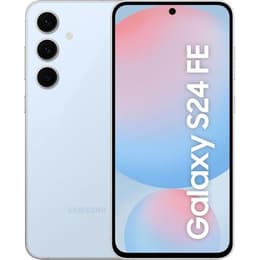
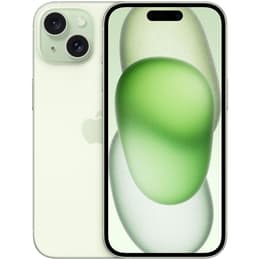
Galaxy S24 FE vs iPhone 15

  • 1-year warranty
  • Free standard shipping
  • Free 30-day returns
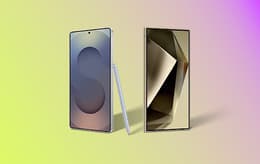
Galaxy S24 FE
Starting at

Refurbished price:A$549.00

Versus A$639.00 new

See options
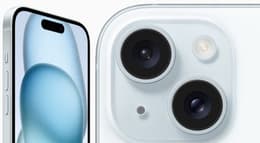
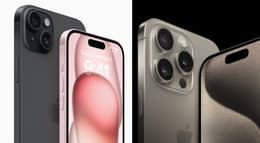
iPhone 15
Starting at

Refurbished price:A$663.00

Versus A$1,249.00 new

See options

Differences at a glance

The Samsung Galaxy S24 FE (2024) and the Apple iPhone 15 (2023) represent two distinct approaches to everyday mobile technology, pairing robust capability with mainstream accessibility. While both smartphones bridge the gap between flagship performance and practical design, they differ fundamentally in screen size, operating systems, and ecosystem integration. Operating on Android and iOS respectively, these devices cater to users seeking dependable daily tools tailored to their preferred software environment.

Available Models

Colour

Storage (GB)

Scores

Durability

When evaluating long-term utility, both models provide extended manufacturer backing, though their software update timelines and hardware longevity differ based on release schedules and structural design.

  • Software Support: The Samsung Galaxy S24 FE features an extensive seven-year software and security update window, whereas the iPhone 15 typically receives Apple support for approximately five to six years from its release date.
  • Repairability and Build: Both models utilize robust aluminum frames and durable glass backs with IP68 dust and water resistance ratings, while supporting standard component repair pathways through authorized channels.
  • Expected Lifespan: Practical hardware endurance remains high for both choices, with current-generation internal components ensuring sustained capability for daily tasks over several years of continuous ownership.

Release year

2024

2023

Operating system

Android

iOS

Foldable

No

No

Performance

System responsiveness and day-to-day operation vary depending on memory capacity, battery management, and underlying hardware optimization for demanding applications.

  • Multitasking and Speed: Both devices handle heavy applications, rapid web browsing, and multi-window workflows smoothly, supported by ample memory configurations starting at 8GB for the Samsung and optimized processing efficiency for Apple.
  • Storage Variants: Users can select from multiple internal storage tiers starting generally at 128GB, accommodating extensive photo libraries and offline media without expansion card slots.
  • Battery Behavior: The Samsung model integrates a larger 4,700 mAh battery capacity designed to easily sustain extended usage periods, while the iPhone 15 utilizes power-efficient engineering to deliver reliable all-day performance from a compact cell.

Screen quality

Visual immersion and panel characteristics differ notably in dimensions, refresh rates, and outdoor legibility between the two devices.

  • Display Technology: The Galaxy S24 FE utilizes a spacious 6.7-inch Dynamic AMOLED panel, while the iPhone 15 features a more compact 6.1-inch Super Retina XDR OLED display.
  • Smoothness and Refresh Rate: Samsung offers a fluid 120Hz refresh rate for smoother scrolling and animations, compared to the standard 60Hz refresh rate found on the iPhone 15.
  • Brightness Levels: Both screens reach high peak brightness levels to maintain clear visibility under direct sunlight, complemented by sharp resolutions suited for high-definition media consumption.

Resolution

1080x2340

1179 x 2556

Audiovisual

Media capture and audio output capabilities provide distinct advantages depending on whether users prioritize optical zoom versatility or simplified point-and-shoot consistency.

  • Camera Systems: The Galaxy S24 FE incorporates a versatile triple-lens array featuring a dedicated optical zoom telephoto lens, whereas the iPhone 15 employs a dual-lens setup utilizing high-resolution sensor cropping for secondary magnification.
  • Low-Light and Video: Both smartphones capture detailed images in challenging lighting conditions and support high-resolution 4K video recording with advanced stabilization features.
  • Media and Audio: Integrated stereo speakers deliver clear audio output for hands-free calls and casual media playback, complemented by crisp microphone performance.

Miscellaneous

Physical dimensions and connectivity standards shape the everyday handling and accessory compatibility of each smartphone.

  • Connectivity Standards: Both models support modern 5G cellular networks, high-speed Wi-Fi standards, and Bluetooth for seamless wireless accessory pairing.
  • Port Type: The iPhone 15 utilizes a universal USB-C port, aligning with the USB-C connection standard featured on the Galaxy S24 FE for charging and data transfer.
  • Physical Handling: The iPhone 15 provides a lighter, smaller form factor weighing 171 grams, while the larger Galaxy S24 FE weighs 213 grams, offering more screen workspace at the expense of a bulkier footprint.

Weight

213 oz

171 oz

Screen size (in)

6.7

6.1

Network

5G

5G

SIM card

Physical SIM + eSIM

Physical SIM + eSIM

Carrier compatibility

Unlocked

Unlocked

What the community thinks

User feedback from online communities highlights distinct preferences for each device. Owners of the Galaxy S24 FE frequently praise its expansive, fluid screen and the inclusion of a dedicated telephoto lens at a competitive tier, though some note its larger physical size can feel heavy during one-handed use. Conversely, iPhone 15 users regularly commend its comfortable, pocket-friendly ergonomics, reliable camera simplicity, and seamless transition to the universal USB-C port, while occasionally noting that the traditional refresh rate feels less fluid compared to high-refresh alternatives.

Users prioritizing a larger screen workspace, smoother visual scrolling, and optical zoom flexibility will find the Galaxy S24 FE well-suited to their daily routines. Meanwhile, users who prefer a lighter, compact device optimized for straightforward software interaction and ecosystem continuity may lean toward the iPhone 15. For those seeking a sustainable choice, a quality-assured refurbished option provides an eco-friendly alternative that reduces electronic waste without compromising on performance. Ultimately, the ideal choice depends on individual operating system preferences and physical handling comfort.