
Galaxy Z Flip6 vs iPhone 16 Pro

Galaxy Z Flip6
Galaxy Z Flip6
Starting at

Refurbished price:A$699.00

Versus A$1,649.00 new

See options
iPhone 16 Pro
iPhone 16 Pro
Starting at

Refurbished price:A$1,148.00

Versus A$1,999.00 new

See options

Ratings

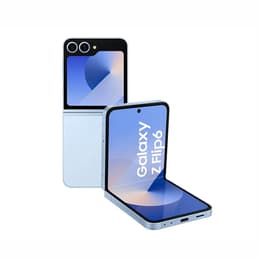
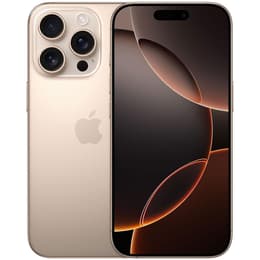
The Samsung Galaxy Z Flip6, released in July 2024, and the Apple iPhone 16 Pro, launched in September 2024, represent distinct approaches to modern smartphone design and functionality. While the Z Flip6 offers a unique foldable form factor with an Android operating system, the iPhone 16 Pro provides a traditional slate design running on iOS. Both devices aim to deliver high-end performance and advanced features, but cater to different user preferences through their core design philosophies and software ecosystems.

Scores

Durability

When considering the long-term usability of these devices, their release timelines and software support policies are key factors.

  • Software Longevity: The Galaxy Z Flip6 is notable for Samsung's commitment to providing seven generations of Android OS updates and seven years of security updates, offering extensive software support. The iPhone 16 Pro, running iOS 18 at launch, is expected to receive several years of major iOS updates, with support extending to iOS 26. This suggests both devices are designed for prolonged software relevance.
  • Physical Durability: The iPhone 16 Pro features a durable titanium design and boasts an IP68 rating for dust and water resistance, allowing submersion up to 6 meters for 30 minutes. The Galaxy Z Flip6, with its foldable design, incorporates Gorilla Glass Victus 2 for display protection and carries an IP48 rating for water and dust resistance. User reports for the Z Flip6 have occasionally noted concerns such as hinge sounds, screen separation, and the inner screen's susceptibility to dents or black spots over time.
  • Repairability: While specific repairability scores are not detailed, the foldable nature of the Z Flip6 introduces complexities that can sometimes lead to higher repair costs or challenges, as indicated by user experiences with screen issues. The iPhone 16 Pro, with its more conventional design, may offer a more straightforward repair process for common component replacements.

Release year

2024

2024

Compatible with latest Update

Yes

Yes

Foldable

Yes

No

Performance

Both the Galaxy Z Flip6 and the iPhone 16 Pro are equipped with powerful internal components designed for demanding tasks, though their architectures differ.

  • Processing Power: The Galaxy Z Flip6 is powered by a current-generation processor, enabling smooth handling of applications and multitasking. The iPhone 16 Pro features Apple's latest Pro-series processor, which contributes to its responsive performance across various applications, including graphically intensive games and complex computations.
  • Memory and Storage: The Z Flip6 typically comes with 12 GB of RAM, supporting efficient multitasking and app management. Storage options include 256 GB or 512 GB. The iPhone 16 Pro is equipped with 8 GB of RAM and offers storage configurations starting from 128 GB, with options for 256 GB and 512 GB.
  • Battery Performance: The Galaxy Z Flip6 houses a 4000 mAh battery, supporting 25W wired and 15W wireless charging. User feedback suggests that while the battery capacity is larger than its predecessor, real-world battery life might not always meet expectations for heavy use. The iPhone 16 Pro has a 3582 mAh battery and supports fast charging via USB-C, reaching 50% charge in about 30 minutes with a 20W adapter or higher. Some users have reported the iPhone 16 Pro can become warm during intensive tasks or charging.

Memory (GB)

12 GB

8 GB

Screen quality

The display experience on these two devices presents a clear distinction, primarily due to the Z Flip6's foldable nature.

  • Display Technology and Size: The Galaxy Z Flip6 features a 6.7-inch foldable Dynamic AMOLED 2X main display with a 2640x1080 pixel resolution, offering vibrant colors and deep blacks. It also includes a 3.4-inch Super AMOLED cover display for quick interactions. The iPhone 16 Pro sports a 6.3-inch Super Retina XDR OLED display with a 2622x1206 pixel resolution, known for its clarity and color accuracy.
  • Brightness and Refresh Rate: Both devices offer a dynamic refresh rate of up to 120 Hz on their main displays, contributing to smooth scrolling and fluid animations. The Z Flip6's main display can reach a peak brightness of 2600 nits, while the iPhone 16 Pro's display achieves 1000 nits typical brightness and up to 2000 nits peak brightness outdoors.
  • Viewing Experience: The Z Flip6's foldable screen offers a compact form factor when closed, expanding to a full-sized display when open. However, the crease in the middle of the foldable screen is a characteristic of this design. The iPhone 16 Pro provides an expansive, uninterrupted viewing area with very thin display borders, enhancing the immersive experience.

Resolution

1080 x 2640

1206 x 2622

Screen type

Foldable Dynamic LTPO AMOLED 2X

LTPO Super Retina XDR OLED

Audiovisual

Both smartphones are equipped with advanced camera systems designed to capture high-quality photos and videos, though with different configurations and features.

  • Rear Camera Systems: The Galaxy Z Flip6 features a dual-camera setup on the rear, including a 50 MP wide-angle lens and a 12 MP ultra-wide-angle lens. The iPhone 16 Pro boasts a triple-camera system, comprising a 48 MP wide lens, a 12 MP periscope telephoto lens with 5x optical zoom, and a 48 MP ultrawide lens, complemented by a TOF 3D LiDAR scanner. The iPhone 16 Pro also includes a 48MP Fusion camera and a 48MP Ultra Wide camera with autofocus.
  • Photography and Video Capabilities: The Z Flip6 offers solid performance for everyday photography, with user feedback sometimes noting aggressive post-processing that can affect image detail. The iPhone 16 Pro is designed for versatile photography, including enhanced low-light performance and advanced video recording features like 4K120 fps. It also supports spatial photos for compatible viewing devices.
  • Front Camera and Audio: For selfies and video calls, the Z Flip6 has a 10 MP front camera. The iPhone 16 Pro features a 12 MP front camera. Both devices offer quality microphone performance for calls and recordings, and the iPhone 16 Pro includes Dolby Atmos-tuned Spatial Audio for an enhanced media consumption experience.

Main camera

50 megapixels

48 megapixels

Front camera

10 megapixels

12 megapixels

Miscellaneous

Beyond core specifications, several practical elements differentiate the user experience of these two devices.

  • Connectivity and Ports: Both phones support 5G connectivity and modern Wi-Fi standards. The iPhone 16 Pro supports Wi-Fi 7 and features a USB-C port for charging and data transfer. The Galaxy Z Flip6 also uses a USB-C port.
  • Biometric Security: The iPhone 16 Pro relies on Face ID for secure facial recognition. The Galaxy Z Flip6 typically integrates a side-mounted fingerprint sensor for biometric authentication.
  • Design and Handling: The Z Flip6's defining feature is its foldable design, allowing it to be more compact when closed, fitting easily into smaller pockets. Its dimensions are 71.90 x 165.10 x 6.90 mm (unfolded) and it weighs 187 grams. The iPhone 16 Pro, with its traditional slate form factor, measures 149.6 mm tall and 71.5 mm wide, weighing 199 grams, offering a solid in-hand feel.
  • Additional Features: The iPhone 16 Pro includes a new Camera Control button for quick access to camera functions and integrates Apple Intelligence for advanced AI features. The Z Flip6 also incorporates Galaxy AI features, enhancing various aspects of the user experience.

Weight

187 oz

199 oz

Screen size (in)

6.7

6.3

Network

5G

5G

SIM card

Physical SIM + eSIM

Physical SIM + eSIM

Carrier compatibility

Unlocked

Unlocked

User feedback for the Galaxy Z Flip6 often highlights its innovative foldable design and the convenience of its compact form factor as major advantages. Many appreciate the external display for quick notifications and tasks without needing to open the main screen. However, common criticisms have revolved around the durability of the inner screen, with some users reporting issues like hinge noises, screen creasing, or even unresponsiveness over time. Battery life, while improved, is sometimes noted as requiring frequent charging for heavy users.

The iPhone 16 Pro is generally praised for its robust performance, high-quality camera system, and the seamless integration within the Apple ecosystem. Users often commend its vibrant display and consistent software experience. Conversely, some initial user concerns included reports of the device becoming warm during intensive use or charging, occasional software glitches like freezing screens or camera app issues, and Bluetooth connectivity problems. The absence of a split-screen multitasking feature, common on larger Android devices, has also been a point of discussion for some users.

Users prioritizing a unique, compact design and the flexibility of a foldable screen, along with extensive Android customization, may find the Galaxy Z Flip6 well-suited to their needs. Those who value a consistently powerful, traditional smartphone experience with a strong camera, robust software support, and a premium build will likely lean towards the iPhone 16 Pro. Both devices offer compelling features, and for those considering a more sustainable choice, quality-assured refurbished options for either model can provide an eco-friendly alternative.


See all articles

Our recent comparisons