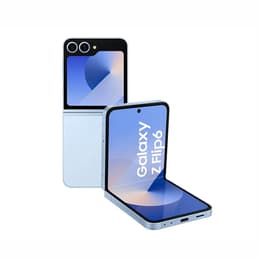
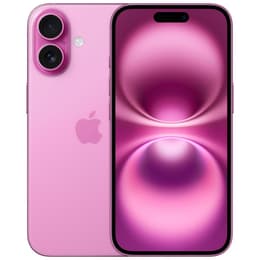

Galaxy Z Flip6 vs iPhone 16

Galaxy Z Flip6
Galaxy Z Flip6
Starting at

Refurbished price:A$699.00

Versus A$1,649.00 new

See options
iPhone 16
iPhone 16
Starting at

Refurbished price:A$952.00

Versus A$1,399.00 new

See options

Ratings

The Samsung Galaxy Z Flip6 (released July 2024) and the iPhone 16 (released September 2024) represent distinct approaches to modern smartphone design and functionality. While the Z Flip6 offers a unique foldable clamshell form factor running Android, the iPhone 16 maintains a traditional slab design powered by iOS. Key differentiators include the Z Flip6's dual-screen foldable display and its emphasis on compact portability, contrasted with the iPhone 16's focus on a streamlined user experience and robust ecosystem.

Scores

Durability

When considering the long-term usability of these devices, both the Galaxy Z Flip6 and the iPhone 16 offer substantial software support, though their physical designs present different durability considerations.

  • Software Longevity: The Galaxy Z Flip6 is promised seven generations of Android OS updates and seven years of security updates from its release, providing extensive software support. The iPhone 16, running iOS, typically receives 5-6 years of major iOS updates, with its newer release date extending its support timeline compared to older models.
  • Physical Durability: The Z Flip6 features an improved hinge and stronger foldable glass, along with an IP48 rating for dust and water resistance, making it the first flip phone in the U.S. rated for both. However, some users express concerns about the long-term durability of foldable screens and hinges. The iPhone 16 maintains Apple's traditional robust build with Ceramic Shield front cover and IP68 water and dust resistance, generally perceived as a more conventional and less fragile design.
  • Repairability: While specific repairability scores can vary, the traditional design of the iPhone 16 often allows for more straightforward component replacement compared to the intricate foldable mechanism of the Z Flip6.

Release year

2024

2024

Compatible with latest Update

Yes

Yes

Foldable

Yes

No

Performance

Both devices are equipped with current-generation processors designed for smooth operation, but their underlying architectures and RAM configurations lead to nuanced differences in real-world performance.

  • Processing Power: The Galaxy Z Flip6 is powered by a current-generation Snapdragon processor, which provides strong performance for demanding applications and multitasking. The iPhone 16 features Apple's A18 chip, which offers swift performance and is noted for its efficiency and capability in handling intensive tasks and gaming.
  • Multitasking and Responsiveness: The Z Flip6 comes with 12GB of RAM in its base variant, contributing to smooth multitasking and app management. The iPhone 16, with 8GB of RAM, also delivers a highly responsive user experience, with iOS optimizing performance efficiently. Both phones are capable of handling heavy gaming and multiple open applications without significant slowdowns.
  • Battery Behavior: The Galaxy Z Flip6 includes a 4000 mAh battery, which, combined with its efficient processor, aims for all-day usage for moderate users and can last up to two days with lighter use. The iPhone 16 has a 3561 mAh battery, showing notable improvements over its predecessor, with users reporting it can last a full day of typical use, though heavy users might need a top-up before bedtime.

Memory (GB)

12 GB

8 GB

Screen quality

The display experience on these two smartphones differs significantly due to their fundamental design philosophies, offering distinct advantages for different user preferences.

  • Display Technology and Size: The Galaxy Z Flip6 features a 6.7-inch foldable Dynamic AMOLED 2X main display with a 120Hz refresh rate, offering vibrant colors and deep blacks. When folded, it utilizes a 3.4-inch Super AMOLED cover display for quick interactions. The iPhone 16 sports a 6.1-inch Super Retina XDR OLED display, known for its high resolution, color accuracy, and brightness.
  • Clarity and Brightness: Both devices offer high-resolution displays, with the Z Flip6's main screen at 2640x1080 pixels and the iPhone 16 at 2556x1179 pixels, resulting in sharp visuals. The Z Flip6's main display can reach up to 2,600 nits peak brightness for HDR content, ensuring good visibility even in bright sunlight. The iPhone 16's OLED panel also provides excellent brightness and contrast for various lighting conditions.
  • User Experience: The Z Flip6's foldable nature allows for a large screen experience that can be folded into a compact form, while the cover screen offers quick access to notifications and widgets. The iPhone 16 provides a consistent, flat-screen experience, which some users find more reliable and less prone to issues like screen creases.

Resolution

1080 x 2640

1179 x 2556

Screen type

Foldable Dynamic LTPO AMOLED 2X

Super Retina XDR OLED

Audiovisual

Both the Galaxy Z Flip6 and the iPhone 16 offer capable camera systems, each with strengths tailored to different photography and videography needs.

  • Rear Camera System: The Galaxy Z Flip6 features a dual-camera setup with a 50MP wide-angle main lens and a 12MP ultra-wide-angle lens, offering improved low-light performance and enhanced computational photography. The iPhone 16 also comes with a dual-camera system, including a 48MP main camera and a 12MP ultrawide lens, with upgrades to the ultrawide sensor.
  • Photography Performance: The Z Flip6's 50MP main sensor allows for detailed photos, with users able to switch to 50MP for even more detail. The iPhone 16 is praised for its sharp camera quality and excellent point-and-shoot capabilities, consistently producing good results in various conditions.
  • Video Recording and Features: Both devices offer high-quality video recording. The Z Flip6 includes features like Flex Mode for hands-free photography and video. The iPhone 16 is known for its strong video capabilities, with precise zooming controls and seamless lens switching, making it suitable for capturing high-quality footage.

Main camera

50 megapixels

48 megapixels

Front camera

10 megapixels

12 megapixels

Miscellaneous

Beyond core performance and display, several practical elements differentiate the user experience of the Galaxy Z Flip6 and the iPhone 16.

  • Connectivity and Ports: Both devices support 5G connectivity and modern Wi-Fi standards. The Galaxy Z Flip6 uses a USB-C port for charging and data transfer. The iPhone 16 also features a USB-C port, aligning with broader industry standards.
  • Biometric Security: The Z Flip6 typically incorporates a side-mounted fingerprint sensor for secure unlocking. The iPhone 16 relies on Face ID for biometric authentication.
  • Design and Handling: The Z Flip6's clamshell design allows it to fold into a compact form, making it highly portable and easy to fit into smaller pockets. When unfolded, it offers a full-sized screen experience. The iPhone 16 maintains a traditional slate form factor, offering a consistent and solid feel in hand. The Z Flip6 weighs around 187g, while the iPhone 16 is approximately 170g.

Weight

187 oz

170 oz

Screen size (in)

6.7

6.1

Network

5G

5G

SIM card

Physical SIM + eSIM

Physical SIM + eSIM

Carrier compatibility

Unlocked

Unlocked

User sentiment for the Galaxy Z Flip6 often highlights its innovative foldable design and compact form factor as major draws, with many appreciating the improved battery life and enhanced camera over previous generations. The extended software support is also a frequently praised aspect. However, some users express ongoing concerns about the long-term durability of the foldable screen and the hinge mechanism, and the utility of the cover screen compared to some rivals.

For the iPhone 16, common praise points include its reliable performance, robust build quality, and the consistent, high-quality camera system. Users often value the seamless iOS ecosystem and the device's overall polish and ease of use. Criticisms sometimes point to the display's refresh rate on the base model not matching some Android competitors, and some users desire more significant design innovation.

Users prioritizing a unique, compact form factor with a large internal display and extensive Android software support may find the Galaxy Z Flip6 well-suited to their needs. Its distinct design and AI features cater to those looking for a blend of style and functionality. Conversely, users who value a consistently reliable, traditional smartphone experience with a strong ecosystem, robust build, and excellent camera performance will likely lean towards the iPhone 16. Both devices are available as quality-assured refurbished options, providing an eco-friendly alternative for consumers.
See all articles

Our recent comparisons