
Galaxy Tab S9+ (12.4", 2023) vs iPad Air 7 (2025, M3 series)

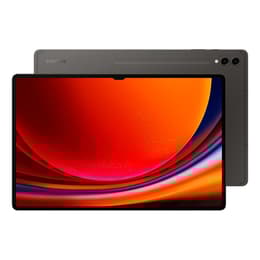
Galaxy Tab S9+ (12.4", 2023)
Starting at

Refurbished price:A$1,221.00

Versus A$2,307.00 new

See options
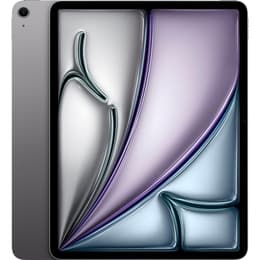
iPad Air 7 (2025, M3 series)
Starting at

Refurbished price:A$1,078.92

Versus A$1,199.00 new

See options

The Samsung Galaxy Tab S9+ (released in 2023) and the Apple iPad Air M3 series (released in 2025) represent two distinct approaches to premium tablet computing. While both offer large displays and powerful performance, they cater to different user preferences through their respective Android and iPadOS operating systems. The Galaxy Tab S9+ stands out with its vibrant AMOLED display and included stylus, whereas the iPad Air M3 series emphasizes its advanced processing capabilities and integration within the Apple ecosystem.

Scores

Durability

When considering the long-term usability of these tablets, their release timelines and software support policies are key factors. The iPad Air M3, being a newer device, generally benefits from a longer expected period of major operating system updates compared to the Galaxy Tab S9+.

  • Software Longevity: The Galaxy Tab S9+ typically receives four years of major Android operating system updates and five years of security updates from its 2023 release. The iPad Air M3, released in 2025, is expected to receive five to seven years of iPadOS updates, with security updates potentially extending for up to a decade. This difference means the iPad Air M3 will likely remain compatible with the latest software features and applications for a longer duration.
  • Physical Durability: Both tablets feature robust aluminum constructions. The Galaxy Tab S9+ includes an IP68 rating for dust and water resistance, offering enhanced protection against environmental elements.
  • Repairability: The Galaxy Tab S9+ has a moderate repairability score, with accessible battery components, though screen removal can be delicate due to adhesive. In contrast, the iPad Air series typically receives lower repairability scores due to extensive use of adhesive, making internal repairs more challenging.

Release year

2023

2025

Compatible with latest Update

Yes

Yes

Operating system

Android

iPadOS

Performance

Both tablets are equipped with powerful internal components designed to handle demanding tasks, though their underlying architectures differ significantly. The Galaxy Tab S9+ runs on a high-end Android processor, while the iPad Air M3 features Apple's M3 chip.

  • Application Responsiveness: The Galaxy Tab S9+ delivers smooth performance for everyday tasks, web browsing, and multitasking, with demanding applications and games running without noticeable delays. Its generous RAM configuration supports efficient switching between multiple applications.
  • Demanding Workloads: The iPad Air M3 provides substantial processing power, making it well-suited for intensive creative applications, complex photo and video editing, and graphics-heavy gaming. Users will experience rapid app loading and fluid operation even with professional-grade software.
  • Multitasking Capabilities: Both devices offer robust multitasking features within their respective operating systems. The Galaxy Tab S9+ leverages Android's split-screen and floating window options, while the iPad Air M3 utilizes iPadOS's Stage Manager for managing multiple applications and external display support.

Memory (GB)

12 GB

8 GB

Screen quality

The visual experience on these tablets is a primary consideration, with each offering distinct display technologies and characteristics.

  • Display Technology: The Galaxy Tab S9+ features a 12.4-inch Dynamic AMOLED 2X display, known for its deep blacks, vibrant colors, and high contrast ratios. The iPad Air M3 comes with an 11-inch or 13-inch Liquid Retina IPS LCD, which provides accurate color reproduction and good viewing angles.
  • Resolution and Clarity: The Galaxy Tab S9+ offers a resolution of 2800 x 1752 pixels, resulting in sharp images and text. The 13-inch iPad Air M3 has a resolution of 2732 x 2048 pixels, maintaining high clarity across its larger surface. Both provide a pixel density that ensures individual pixels are not discernible during typical use.
  • Refresh Rate and Brightness: The Galaxy Tab S9+ boasts an adaptive 120Hz refresh rate, contributing to smoother scrolling and more fluid animations. It also offers high peak brightness for good outdoor visibility. The iPad Air M3 maintains a standard 60Hz refresh rate. The 13-inch iPad Air M3 reaches up to 600 nits of brightness, providing clear visuals in various lighting conditions.

Resolution

1752 x 2800

2360 x 1640

Screen type

Dynamic AMOLED 2X

Liquid Retina display

Pixel density

270ppp

264ppp

Audiovisual

While tablets are not typically primary photography devices, both the Galaxy Tab S9+ and the iPad Air M3 offer capable camera systems suitable for common tablet-based tasks.

  • Rear Camera System: The Galaxy Tab S9+ includes a dual-camera setup on the rear, featuring a 13-megapixel main sensor and an 8-megapixel ultra-wide sensor. This configuration is practical for scanning documents, capturing occasional photos, and augmented reality applications. The iPad Air M3 features a single 12-megapixel wide camera on the rear, capable of capturing detailed images and 4K video.
  • Front Camera and Video Calls: Both tablets excel in video conferencing. The Galaxy Tab S9+ has a 12-megapixel ultra-wide front camera that supports auto-framing, keeping the user centered during video calls. The iPad Air M3 also features a 12-megapixel ultra-wide front camera with Center Stage, which intelligently adjusts to keep subjects in view, and is conveniently located on the landscape edge for a natural video call experience.
  • Video Recording: Both devices are capable of recording high-quality video, making them suitable for capturing presentations, short clips, or video logs.

Miscellaneous

Beyond core performance and display, several practical features differentiate these two tablets, impacting daily use and accessory integration.

  • Stylus Integration: A significant distinction is the included S Pen with the Galaxy Tab S9+, offering low latency and pressure sensitivity for drawing, note-taking, and navigation right out of the box. The iPad Air M3 supports the Apple Pencil Pro and Apple Pencil (USB-C), which are sold separately, providing a premium stylus experience for creative and productivity tasks.
  • Connectivity and Ports: Both tablets feature USB-C ports for charging and data transfer, offering broad compatibility with accessories. They support modern wireless standards including Wi-Fi 6E and Bluetooth 5.3, with optional 5G cellular connectivity available for both.
  • Biometric Security: The Galaxy Tab S9+ utilizes an in-display fingerprint sensor for secure unlocking and authentication, alongside facial recognition. The iPad Air M3 integrates Touch ID into its power button, offering a reliable and convenient biometric solution.
  • Build Materials and Handling: Both devices feature premium aluminum builds. The Galaxy Tab S9+ measures 285.4 x 185.4 x 5.7 mm and weighs around 586 grams. The 13-inch iPad Air M3 measures 280.6 x 214.9 x 6.1 mm and weighs 616 grams, while the 11-inch model is more compact at 247.6 x 178.5 x 6.1 mm and 460 grams.

Weight

129 oz

460 oz

Screen size (in)

12.4

11

Network

Wi-Fi

Wi-Fi

Carrier compatibility

Without SIM Port

Without SIM Port

Choosing between the Samsung Galaxy Tab S9+ and the Apple iPad Air M3 involves weighing ecosystem preferences, specific use cases, and long-term expectations. User sentiment often highlights the Galaxy Tab S9+ for its exceptional AMOLED display and the value of the included S Pen, making it a strong contender for media consumption and productivity within the Android environment. Some users appreciate its expandable storage and robust multitasking features.

Conversely, the iPad Air M3 is frequently praised for its powerful performance, particularly for creative professionals and those deeply integrated into the Apple ecosystem. Its longer software support timeline is a common positive, ensuring extended usability. Criticisms for the iPad Air M3 sometimes point to its 60Hz display, which some users find less fluid than higher refresh rate alternatives, and the separate purchase required for its stylus and keyboard accessories.

Users prioritizing a vibrant, high-refresh-rate AMOLED display and an included stylus for drawing and note-taking may find the Galaxy Tab S9+ better suited to their needs. It offers a comprehensive Android tablet experience with strong multimedia capabilities. On the other hand, users who require top-tier processing power for demanding applications, value a longer software support window, and prefer the iPadOS ecosystem will likely lean towards the iPad Air M3. Its availability in two sizes also provides flexibility for different portability and screen real estate preferences.

Both tablets are excellent choices within their categories, and considering a quality-assured refurbished option for either model can be an eco-friendly alternative for consumers seeking premium performance.


See all articles

Our recent comparisons