
Galaxy Tab S9+ (12.4", 2023) vs iPad Air 4 (2020, A14 series)

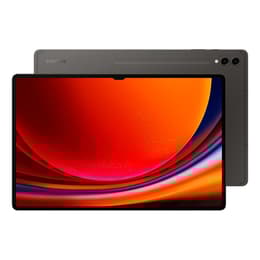
Galaxy Tab S9+ (12.4", 2023)
Starting at

Refurbished price:A$1,225.00

Versus A$2,307.00 new

See options
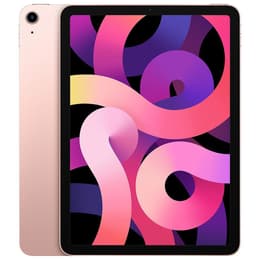
iPad Air 4 (2020, A14 series)
Starting at

Refurbished price:A$500.00

Versus A$829.00 new

See options

The Samsung Galaxy Tab S9 Plus, released in August 2023, and the Apple iPad Air (4th Generation), launched in October 2020, represent distinct approaches to the tablet experience. While both are designed for productivity and entertainment, they differ significantly in their operating systems, display technologies, and overall ecosystem integration. The Galaxy Tab S9 Plus runs on Android with Samsung's One UI, offering a larger Dynamic AMOLED display and an included S Pen, whereas the iPad Air operates on iPadOS, featuring a Liquid Retina IPS display and a more compact form factor.

Scores

Durability

When considering the long-term usability of a tablet, software support and physical durability are key factors. The Galaxy Tab S9 Plus, being a more recent release, benefits from a longer projected software support window compared to the iPad Air (2020).

  • Software Updates: The Galaxy Tab S9 Plus is expected to receive four major Android OS updates, extending its support until Android 17, along with five years of security updates from its 2023 launch. The iPad Air (2020), released three years prior, typically receives iPadOS updates for approximately 5-7 years from its release, meaning its software support cycle is nearing its conclusion.
  • Physical Durability: The Galaxy Tab S9 Plus features an Armor Aluminum build and boasts an IP68 rating for dust and water resistance, offering enhanced protection against environmental elements. The iPad Air (2020) has an aluminum unibody design, which is robust for everyday use, but lacks an official IP rating.
  • Repairability: Samsung has introduced a self-repair program for devices like the Galaxy Tab S9 Plus, providing access to genuine parts and guides. The iPad Air (2020) has been noted for its lower repairability score, primarily due to the extensive use of adhesive, making component replacement more challenging.

Release year

2023

2020

Compatible with latest Update

Yes

Yes

Operating system

Android

iPadOS

Performance

The performance of a tablet is crucial for handling demanding applications, multitasking, and providing a responsive user experience. Both devices offer capable performance for their respective generations, though the newer Galaxy Tab S9 Plus has an advantage in raw processing power.

  • Processing Power: The Galaxy Tab S9 Plus is equipped with a current-generation processor designed for Galaxy devices, enabling it to handle intensive applications, graphic-heavy games, and seamless multitasking with ease. The iPad Air (2020) features a powerful chip for its release year, providing a very fluid experience for general use, creative tasks, and gaming, with users reporting smooth performance even with multiple apps open.
  • Multitasking Capabilities: With 12GB of RAM, the Galaxy Tab S9 Plus offers substantial memory for running numerous applications simultaneously without slowdowns, making it well-suited for heavy multitasking workflows. The iPad Air (2020) comes with 4GB of RAM, which is sufficient for most multitasking scenarios within iPadOS, though it may show limitations with extremely demanding professional applications compared to devices with more memory.
  • Battery Performance: The Galaxy Tab S9 Plus houses a large 10,090 mAh battery, providing extended usage times, with reviews indicating it can last for 12-15 hours on a single charge for typical use. The iPad Air (2020) features a 28.6 Wh battery, which translates to good all-day battery life, often exceeding 10 hours in mixed usage scenarios.

Memory (GB)

12 GB

4 GB

Screen quality

The display is a primary interface for tablets, and both models offer high-quality viewing experiences, though they utilize different technologies and sizes.

  • Display Technology and Size: The Galaxy Tab S9 Plus features a 12.4-inch Dynamic AMOLED 2X display, known for its deep blacks, vibrant colors, and excellent contrast. The iPad Air (2020) has a 10.9-inch Liquid Retina IPS LCD, which provides accurate colors and wide viewing angles. The larger screen of the Tab S9 Plus offers more screen real estate for productivity and media consumption.
  • Resolution and Clarity: Both tablets offer sharp and clear visuals. The Tab S9 Plus has a resolution of 2800 x 1752 pixels, resulting in crisp images and text. The iPad Air (2020) provides a resolution of 2360 x 1640 pixels, ensuring a detailed viewing experience.
  • Refresh Rate and Brightness: The Galaxy Tab S9 Plus boasts a 120Hz refresh rate, contributing to smoother scrolling and more fluid animations, enhancing the overall responsiveness of the display. The iPad Air (2020) operates at a standard 60Hz refresh rate, which is still smooth for most tasks but less fluid than a 120Hz panel. Both displays offer good brightness levels for comfortable indoor and outdoor viewing, with the Tab S9 Plus's AMOLED panel generally excelling in HDR content.

Resolution

1752 x 2800

2360 x 1640

Screen type

Dynamic AMOLED 2X

Liquid Retina display

Pixel density

270ppp

264ppp

Audiovisual

While tablets are not typically primary photography devices, their camera systems are important for video calls, document scanning, and occasional photo capture. Both tablets offer capable camera setups for these purposes.

  • Rear Camera System: The Galaxy Tab S9 Plus features a dual-camera setup on the rear, consisting of a 13MP wide lens and an 8MP ultrawide lens, providing versatility for different shooting scenarios. The iPad Air (2020) has a single 12MP wide camera on the back, which is capable of capturing detailed photos.
  • Front Camera and Video Calls: For video conferencing and selfies, the Tab S9 Plus includes a 12MP ultrawide front camera, which is beneficial for fitting more people into a frame or for wider video call perspectives. The iPad Air (2020) comes with a 7MP front camera, which delivers clear video call quality.
  • Video Recording and Audio: Both devices are capable of recording 4K video, with the Tab S9 Plus supporting 4K at 60fps. The Galaxy Tab S9 Plus features quad speakers tuned by AKG with Dolby Atmos support, offering a rich audio experience for media consumption. The iPad Air (2020) also provides good stereo speakers, especially when held in landscape orientation, enhancing the media experience.

Miscellaneous

Beyond core specifications, several practical elements contribute to the overall user experience, including connectivity, ports, and unique features.

  • Connectivity and Ports: The Galaxy Tab S9 Plus supports Wi-Fi 6E and Bluetooth 5.3, offering faster and more stable wireless connections, with optional 5G for cellular models. The iPad Air (2020) supports Wi-Fi 6 and Bluetooth 5.0, also providing reliable wireless performance, with optional 4G LTE for cellular versions. Both tablets feature a versatile USB-C port for charging, data transfer, and connecting accessories.
  • Stylus Integration: A significant differentiator is the included S Pen with the Galaxy Tab S9 Plus, offering a natural writing and drawing experience right out of the box. The iPad Air (2020) supports the Apple Pencil 2nd Generation, which is sold separately, providing precise input for creative and note-taking tasks.
  • Biometric Security and Design: The Tab S9 Plus incorporates an in-display fingerprint sensor for secure unlocking. The iPad Air (2020) integrates Touch ID into its power button, offering a convenient and secure authentication method. The Tab S9 Plus is slightly larger and heavier at 285.4 x 185.4 x 5.7 mm and 586g, compared to the iPad Air's more compact 247.6 x 178.5 x 6.1 mm and 458g, impacting portability and handling.

Weight

129 oz

460 oz

Screen size (in)

12.4

10.9

Network

Wi-Fi

Wi-Fi + 4G

Carrier compatibility

Without SIM Port

Unlocked

User feedback for the Galaxy Tab S9 Plus often highlights its stunning AMOLED display, powerful performance for demanding tasks like gaming and video editing, and the utility of the included S Pen. Users appreciate its robust build quality with IP68 water and dust resistance. Some common observations include its larger size and the Android tablet ecosystem's app optimization compared to iPadOS.

The iPad Air (2020) is frequently praised for its sleek design, strong performance for its generation, and the mature iPadOS ecosystem with a wide array of optimized applications. Users often commend its reliable battery life and the quality of its Liquid Retina display. Points of consideration sometimes include the separate purchase of the Apple Pencil and the 60Hz refresh rate compared to newer, higher-end tablets.

Users prioritizing a large, vibrant AMOLED display, an included stylus for creative and productivity tasks, and the flexibility of the Android ecosystem will find the Galaxy Tab S9 Plus well-suited to their needs. Its newer hardware and longer projected software support also make it a strong contender for those seeking a device with extended longevity. Conversely, users who value a more compact form factor, the established app ecosystem and intuitive interface of iPadOS, and seamless integration within the Apple ecosystem may lean toward the iPad Air (2020). Both devices offer compelling experiences, and choosing between them often comes down to personal preference for operating system, display characteristics, and specific workflow requirements. For those considering either device, exploring quality-assured refurbished options can provide an eco-friendly alternative.


See all articles

Our recent comparisons