
Galaxy Tab S9 Ultra (14.6", 2023) vs iPad 11 (2025, A16 series)

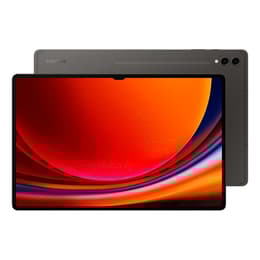
Galaxy Tab S9 Ultra (14.6", 2023)
Starting at

Refurbished price:A$1,230.00

Versus A$2,645.00 new

See options
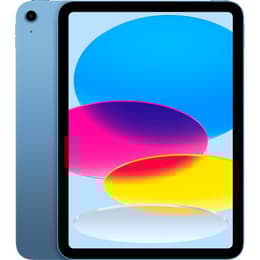
iPad 11 (2025, A16 series)
See options

The Samsung Galaxy Tab S9 Ultra, released in 2023, and the hypothetical iPad 2025 A16 Series represent distinct approaches to tablet computing. While the Galaxy Tab S9 Ultra offers a large display and a focus on multitasking within the Android ecosystem, the iPad 2025 A16 Series is expected to deliver a streamlined experience powered by iPadOS, likely in a more compact form factor. These devices cater to different user preferences, particularly concerning screen size, operating system environment, and accessory integration.

Scores

Durability

When considering the long-term usability of these tablets, several factors contribute to their expected lifespan, including software support and physical durability.

  • Software Longevity: The Galaxy Tab S9 Ultra, running Android, typically receives several years of major operating system updates and security patches. Apple's iPadOS devices, including the anticipated iPad 2025 A16 Series, are known for receiving major OS updates for approximately 5-6 years from their release, with security updates often extending for 7-10 years, potentially offering a longer period of up-to-date software support.
  • Physical Durability: The Galaxy Tab S9 Ultra features an Armor Aluminum build and an IP68 rating for dust and water resistance, providing a degree of protection against environmental elements. The iPad 2025 A16 Series is expected to maintain Apple's standard aluminum construction, which offers solid build quality, though iPads generally receive lower repairability scores due to the extensive use of adhesive and sealed designs, making repairs more challenging.
  • Repairability: While specific repairability scores for the iPad 2025 A16 Series are not available, past iPad models have often been noted for their difficulty in user-initiated repairs due to design choices that prioritize thinness and structural integrity. The Galaxy Tab S9 Ultra's design, while sleek, also presents challenges for repair, though the Android ecosystem generally has a broader range of third-party repair options.

Release year

2023

2025

Compatible with latest Update

Yes

Yes

Operating system

Android

iPadOS

Performance

Both tablets are designed to handle a variety of tasks, but their underlying architectures and operating systems influence their performance characteristics.

  • Processing Power: The Galaxy Tab S9 Ultra is equipped with a high-performance processor designed for demanding Android applications and multitasking. This allows for smooth operation across numerous apps and efficient handling of intensive tasks like video editing or advanced gaming. The iPad 2025 A16 Series, powered by its integrated chip, is expected to deliver robust performance for everyday use, including web browsing, media consumption, and a wide array of applications optimized for iPadOS.
  • Multitasking and Responsiveness: The Galaxy Tab S9 Ultra, with its substantial RAM options (up to 16GB), excels at running multiple applications simultaneously and switching between them fluidly, particularly benefiting from Samsung's multitasking features. The iPad 2025 A16 Series, likely with 4GB or 6GB of RAM, provides a highly responsive user experience within the iPadOS environment, known for its optimized app performance and efficient resource management, though it may offer less headroom for extremely heavy multitasking compared to the highest-spec Tab S9 Ultra.
  • Storage Options: The Galaxy Tab S9 Ultra offers generous internal storage configurations, ranging from 256GB up to 1TB, with expandable storage via microSD, providing flexibility for large media libraries and professional files. The iPad 2025 A16 Series is anticipated to come with fixed storage options, typically 64GB or 256GB, which may require users to rely more on cloud storage for extensive data.

Memory (GB)

12 GB

6 GB

Screen quality

The visual experience is a key differentiator between these two tablets, primarily due to their display technologies and sizes.

  • Display Technology: The Galaxy Tab S9 Ultra features a 14.6-inch Dynamic AMOLED 2X display, known for its deep blacks, vibrant colors, and high contrast ratios. This technology provides an immersive viewing experience, especially for media consumption and detailed creative work. The iPad 2025 A16 Series is expected to utilize a Liquid Retina IPS LCD display, offering accurate color reproduction and good brightness, though it may not achieve the same level of contrast as an AMOLED panel.
  • Size and Viewing Experience: With its expansive 14.6-inch screen, the Galaxy Tab S9 Ultra offers a large canvas for productivity, split-screen multitasking, and immersive entertainment. The iPad 2025 A16 Series is likely to feature a more compact screen, around 10.9 inches, which makes it more portable and easier to handle for extended periods, suitable for users who prioritize mobility.
  • Refresh Rate and Brightness: The Galaxy Tab S9 Ultra boasts a 120Hz refresh rate, contributing to smoother scrolling and more fluid animations. It also offers sufficient brightness for various lighting conditions. The iPad 2025 A16 Series is anticipated to have a standard 60Hz refresh rate and a brightness level of around 500 nits, providing a clear and comfortable viewing experience in most indoor and outdoor settings.

Resolution

1848 x 2960

2360 x 1640

Screen type

Dynamic AMOLED 2X

Liquid Retina display

Pixel density

240ppp

264ppp

Audiovisual

While tablets are not typically primary photography devices, both models offer capable camera systems for video calls, document scanning, and casual photography.

  • Rear Camera System: The Galaxy Tab S9 Ultra includes a dual-camera setup on the rear, featuring a 13MP main sensor and an 8MP ultrawide sensor, capable of capturing detailed photos and 4K video. This versatility allows for different perspectives in photography. The iPad 2025 A16 Series is expected to feature a single 12MP wide rear camera, which is generally well-regarded for its image quality and consistency in good lighting conditions.
  • Front Camera Performance: For video conferencing and selfies, the Galaxy Tab S9 Ultra is equipped with dual 12MP front cameras, including an ultrawide lens, which can be beneficial for group calls. The iPad 2025 A16 Series is likely to have a 12MP ultrawide front camera with Center Stage, a feature that automatically keeps the user in the frame during video calls.
  • Audio Experience: Both tablets offer stereo speakers for media consumption. The Galaxy Tab S9 Ultra provides a rich audio experience with its quad speakers. The iPad 2025 A16 Series is expected to deliver clear and balanced audio output, suitable for video playback and casual listening.

Miscellaneous

Beyond core specifications, several practical features and design elements differentiate these two tablets.

  • Connectivity: The Galaxy Tab S9 Ultra supports modern connectivity standards including Wi-Fi 6E and Bluetooth 5.3, with optional 5G for cellular models, ensuring fast and reliable wireless connections. The iPad 2025 A16 Series is anticipated to support Wi-Fi 6 and Bluetooth 5.2, with optional 5G on cellular models, providing solid connectivity for most users.
  • Ports and Biometrics: The Galaxy Tab S9 Ultra features a USB-C 3.2 port, offering faster data transfer speeds and display output capabilities. It also includes an in-display optical fingerprint scanner for secure authentication. The iPad 2025 A16 Series is expected to come with a USB-C port (likely USB 2.0 speeds) and Touch ID integrated into the power button for biometric security.
  • Design and Handling: The Galaxy Tab S9 Ultra is notably thin at 5.5mm and weighs around 732g (Wi-Fi model), but its large 14.6-inch form factor can make it less comfortable for handheld use over long periods. The iPad 2025 A16 Series, with its smaller screen and lighter weight (around 477-481g), is designed for greater portability and easier handling.

Weight

129 oz

477 oz

Screen size (in)

14.6

11

Network

Wi-Fi

Wi-Fi

Carrier compatibility

Unlocked

Without SIM Port

The Samsung Galaxy Tab S9 Ultra and the anticipated iPad 2025 A16 Series cater to different user needs and preferences within the tablet market. Users often praise the Galaxy Tab S9 Ultra for its expansive and vibrant AMOLED display, which is particularly beneficial for artists, media consumption, and extensive multitasking. Its inclusion of the S Pen and robust Android multitasking features are frequently highlighted as strengths, allowing it to serve as a versatile productivity tool. However, some users find its large size cumbersome for portability and handheld use, suggesting it is better suited for desk-based work.

For the iPad 2025 A16 Series, common praise points for similar base iPad models include the intuitive and optimized iPadOS ecosystem, consistent performance for a wide range of applications, and a strong selection of tablet-specific apps. Its more compact size is generally favored for portability and casual use. Potential criticisms might revolve around its expected LCD display technology not matching the contrast of OLED, and its fixed storage options. The A16 chip, while powerful, might be seen as less cutting-edge compared to the latest processors in other premium tablets by 2025.

Users prioritizing a large, high-quality display for immersive media, digital art, or advanced multitasking within an Android environment may find the Galaxy Tab S9 Ultra well-suited to their needs. Its included stylus and expandable storage offer additional flexibility. Conversely, users who value a highly polished and user-friendly operating system, a vast app ecosystem, and a more portable form factor for everyday tasks, education, or general content consumption, may lean toward the iPad 2025 A16 Series. Both devices offer compelling experiences, and choosing between them often comes down to the preferred operating system and the specific balance between screen size, portability, and ecosystem integration. For those considering either device, exploring quality-assured refurbished options can provide a sustainable choice.


See all articles

Our recent comparisons