
Samsung
Compare models
Differences at a glance
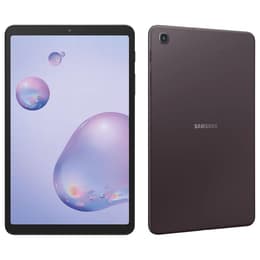
The Samsung Galaxy Tab A 8.4 (2020) and the Samsung Galaxy Tab S9 Ultra (2023) represent distinct offerings within Samsung's tablet lineup, separated by several years and targeting different user needs. While both run on the Android operating system, they diverge significantly in terms of size, display technology, and overall performance capabilities.
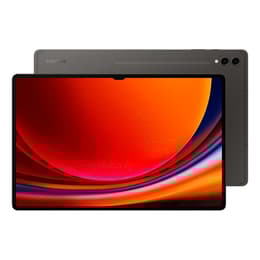
The Tab A 8.4 (2020) is a compact, entry-level device designed for everyday media consumption and basic tasks, whereas the Tab S9 Ultra (2023) is a large, premium tablet built for demanding productivity, creative work, and immersive entertainment.
Colour
Storage
The expected lifespan of a tablet is often influenced by its build quality and, crucially, the duration of software support it receives.
Release year
Compatible with latest Update
Operating system
The performance capabilities of these two tablets reflect their different market segments and release years, impacting how smoothly they handle various tasks.
The visual experience is a primary differentiator between these two tablets, largely due to advancements in display technology and size.
Resolution
Screen type
Pixel density
While tablets are not typically primary photography devices, their camera systems and audio output contribute to their overall utility for communication and media consumption.
Beyond core performance and display, several practical features contribute to the overall user experience and versatility of these tablets.
Weight
Screen size (in)
Network
Carrier compatibility
Connector
The Samsung Galaxy Tab A 8.4 (2020) and the Galaxy Tab S9 Ultra (2023) cater to vastly different user expectations and budgets, a distinction evident in user feedback and specifications.
The Galaxy Tab A 8.4 is often praised by users for its portability, compact size, and a screen that is sharp enough for media consumption and e-reading, especially considering its market position. Its battery life is generally considered good for basic tasks, often lasting a full day of moderate use. However, common criticisms include occasional sluggishness in the user interface, particularly when multitasking or running more demanding applications, and some users have reported issues with Wi-Fi connectivity. The audio quality from its speakers is also frequently noted as being tinny.
Conversely, the Galaxy Tab S9 Ultra receives widespread acclaim for its expansive, vibrant Dynamic AMOLED 2X display, which provides an immersive viewing and working experience. Its powerful internal components ensure smooth performance across all applications, including demanding games and professional software, and the inclusion of the S Pen is a significant advantage for creative and productivity-focused users. The premium build quality and IP68 water resistance are also highly valued. The primary concern for many users, however, is its sheer size, which can make it cumbersome to handle and less portable than smaller tablets. Some users also note that while Android has improved for tablets, app optimization for such a large screen can still be inconsistent.
Users prioritizing a highly portable device for casual browsing, media streaming, and e-reading, without the need for intensive performance, may find the Galaxy Tab A 8.4 suitable. Its smaller form factor makes it easy to carry and use in various settings. On the other hand, individuals seeking a powerful, large-screen device for demanding productivity tasks, creative endeavors, or an immersive entertainment experience will find the Galaxy Tab S9 Ultra better aligned with their needs. Its advanced display, robust performance, and included S Pen make it a strong contender for those who view their tablet as a primary computing device. For those considering either option, exploring quality-assured refurbished alternatives can be an eco-friendly choice that offers excellent value.