
Compare models

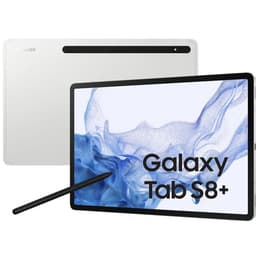
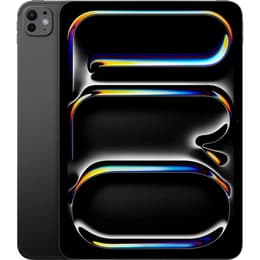
Galaxy Tab S8 (11.0", 2022) vs iPad Pro (2025, M5 series)

  • 1-year warranty
  • Free standard shipping
  • Free 30-day returns

Differences at a glance

The Samsung Galaxy Tab S8 (2022) and the Apple iPad Pro (2025, M5 series) represent two distinct approaches to premium tablet computing across different operating systems. While both devices deliver high-end portable functionality, they diverge significantly in their release timelines, software ecosystems, and internal engineering. Understanding how these hardware platforms differ helps users identify which device aligns best with their day-to-day workflow.

Scores

Durability

Device longevity and software support schedules differ between these models based on their release years and manufacturer update policies.

  • Software Support Timelines: The Apple iPad Pro benefits from extended operating system upgrades and routine security patches, whereas the Galaxy Tab S8 follows a predefined multi-year update window tied to its earlier launch date.
  • Hardware Durability: Both tablets feature sturdy aluminum enclosures and scratch-resistant glass fronts, though long-term battery degradation patterns depend heavily on individual charging habits over years of use.

Release year

2022

2025

Compatible with latest Update

Yes

Yes

Operating system

Android

iPadOS

Performance

System responsiveness and multitasking capabilities vary across these platforms, influencing how smoothly demanding applications run.

  • Multitasking and App Switching: Both tablets manage split-screen workflows and heavy web browsing efficiently, though newer hardware architectures offer additional headroom for professional-grade rendering tasks.
  • Storage and Thermal Efficiency: Available storage configurations differ between the ecosystems, while passive thermal cooling designs maintain stable performance during extended periods of heavy utilization.

Screen quality

Display characteristics impact visual clarity, media consumption, and outdoor legibility differently on each tablet.

  • Panel Technology: The Galaxy Tab S8 utilizes a high-refresh-rate LCD screen, whereas competing high-end Apple models frequently leverage advanced OLED or tandem panel technologies for deeper contrast levels.
  • Brightness and Outdoor Visibility: Peak luminescence levels ensure legible viewing in brightly lit environments, though reflective glare management varies depending on screen coatings.

Resolution

1600 x 2560

2420 x 1668

Screen type

TFT LCD

Ultra Retina XDR display

Audiovisual

Imaging hardware and media recording capabilities cater to casual documentation and video communication needs.

  • Lens Configurations: Both devices include front-facing ultra-wide cameras designed for video conferencing, paired with rear primary sensors for capturing basic documents and snapshots.
  • Audio Output: Multi-speaker arrays on both models deliver clear sound reproduction for streaming video and listening to music without external accessories.

Miscellaneous

Physical dimensions and connectivity standards influence everyday portability and peripheral integration.

  • Portability: Weight distributions and thickness profiles are optimized for comfortable handheld reading or desk-based typing with accessory keyboards.
  • Connectivity and Accessories: Both support modern wireless networking standards and proprietary or universal stylus accessories for note-taking and sketching.

Weight

503 oz

444 oz

Screen size (in)

11.0

11

Network

Wi-Fi + 5G

Wi-Fi

Carrier compatibility

Without SIM Port

Without SIM Port

What the community thinks

When deciding between these two tablets, user priorities play a central role in shaping the final choice. Users who prefer the Android ecosystem for flexible file management and expandable storage will find the Samsung Galaxy Tab S8 well-suited to their needs. Conversely, users who favor iPadOS and need high processing headroom for creative applications may lean toward the Apple iPad Pro. For buyers seeking a quality-assured refurbished option, choosing a professionally restored device provides a sustainable choice that extends the lifecycle of high-end electronics while supporting eco-friendly purchasing habits.
Our recent comparisons