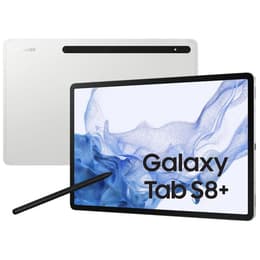
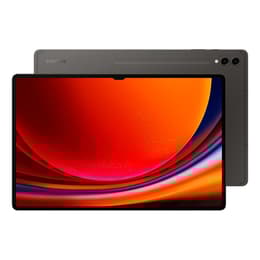

Galaxy Tab S8 (11.0", 2022) vs Galaxy Tab S9+ (12.4", 2023)

Galaxy Tab S8 (11.0", 2022)
Starting at

Refurbished price:A$632.00

Versus A$639.00 new

See options
Galaxy Tab S9+ (12.4", 2023)
Starting at

Refurbished price:A$1,225.00

Versus A$2,307.00 new

See options

The Samsung Galaxy Tab S8, released in February 2022, and the Galaxy Tab S9+, launched in August 2023, represent different generations within Samsung's premium tablet lineup. While both offer a robust Android experience with S Pen support, the Tab S9+ introduces a larger, more advanced display and enhanced internal components. Both devices run on the Android operating system, providing a familiar interface for users.

Scores

Durability

When considering the longevity of these tablets, several factors come into play, including their release dates and Samsung's software support policies. The Galaxy Tab S9+, being a newer device, naturally benefits from a longer expected period of software updates and security patches.

  • Release Timeline: The Galaxy Tab S8 was released in February 2022, while the Galaxy Tab S9+ followed in August 2023. This approximately 18-month difference means the S9+ has a head start in its lifecycle.
  • OS Support Duration: Samsung typically provides several years of Android OS upgrades and security updates for its flagship tablets. The Galaxy Tab S8 series was promised 4 Android OS upgrades and 5 years of security updates from its release, meaning support may extend until 2027. The Galaxy Tab S9+ launched with Android 13 and is expected to receive an additional year of OS updates compared to its predecessor due to its later release.
  • Durability Features: The Galaxy Tab S9+ features an IP68 rating for dust and water resistance, a feature not present in the Galaxy Tab S8. This provides an additional layer of protection against environmental elements, potentially contributing to a longer practical lifespan for users in varied conditions.

Release year

2022

2023

Compatible with latest Update

Yes

Yes

Operating system

Android

Android

Performance

The performance of a tablet is largely determined by its internal processing power and how efficiently it manages tasks, from everyday browsing to more demanding applications. Both tablets offer capable performance, but the newer model incorporates advancements.

  • Processing Capabilities: The Galaxy Tab S9+ features a more recent generation processor compared to the Galaxy Tab S8. This translates to smoother operation, faster app loading times, and more efficient handling of intensive tasks like video editing or graphic-heavy gaming on the S9+.
  • Multitasking and Responsiveness: While both devices are designed for efficient multitasking, the Galaxy Tab S9+ offers enhanced responsiveness, particularly when switching between numerous applications or running several demanding programs simultaneously. The Galaxy Tab S9+ also typically comes with a higher base RAM configuration, further aiding in seamless multitasking.
  • Battery Behavior: The Galaxy Tab S8 is equipped with an 8,000 mAh battery, while the Galaxy Tab S9+ has a larger 10,090 mAh battery. The newer processor in the S9+ also contributes to improved power efficiency, which, combined with the larger battery, can result in longer usage times between charges for many users, especially during tasks that heavily utilize the processor.

Memory (GB)

8 GB

12 GB

Processor

Snapdragon 8 Gen 1

Qualcomm SM8550-AC Snapdragon 8 Gen 2

Screen quality

The display is a primary interaction point for tablets, and there are notable differences in the screen technology and size between these two models, impacting the visual experience.

  • Display Technology and Clarity: The Galaxy Tab S8 features an 11-inch TFT LCD display with a resolution of 2560 x 1600 pixels. In contrast, the Galaxy Tab S9+ boasts a larger 12.4-inch Dynamic AMOLED 2X display with a resolution of 2800 x 1752 pixels. The AMOLED technology in the S9+ provides deeper blacks, higher contrast, and more vibrant colors compared to the LCD panel of the S8, offering a more immersive viewing experience.
  • Brightness and Refresh Rate: Both tablets feature a 120Hz refresh rate, contributing to smoother scrolling and more fluid animations. However, the Dynamic AMOLED 2X display of the S9+ generally offers higher peak brightness, which can improve visibility in brightly lit environments or outdoors.
  • Screen Size and Viewing Experience: The 12.4-inch screen of the Galaxy Tab S9+ provides a larger canvas for content consumption, productivity, and creative tasks compared to the 11-inch screen of the Galaxy Tab S8. This larger display can enhance the viewing experience for movies, detailed work, or multi-window multitasking.

Resolution

1600x2560

1752 x 2800

Pixel density

280ppp

270ppp

Audiovisual

While tablets are not typically primary photography devices, their camera systems are important for video calls, document scanning, and occasional photo capture. Both models offer capable camera setups with some distinctions.

  • Rear Camera System: The Galaxy Tab S8 includes a dual rear camera setup with a 13MP wide lens and a 6MP ultrawide lens. The Galaxy Tab S9+ also features a dual rear camera system, upgrading the ultrawide sensor to an 8MP lens while retaining a 13MP main camera. This improvement in the ultrawide sensor on the S9+ can result in slightly more detailed and versatile wide-angle shots.
  • Front Camera Quality: Both tablets are equipped with a 12MP ultrawide front-facing camera, suitable for video conferencing and selfies. This consistent front camera specification ensures clear communication for virtual meetings on either device.
  • Video Recording and Audio: Both tablets are capable of recording high-quality video. For audio, both feature a quad stereo speaker setup with Dolby Atmos, providing an immersive sound experience for media consumption. The S9+ may offer a slightly improved audio output.

Miscellaneous

Beyond core performance and display, several practical features contribute to the overall user experience, including connectivity, physical design, and security.

  • Connectivity Options: Both the Galaxy Tab S8 and S9+ support Wi-Fi 6E and Bluetooth 5.2 (S8) or 5.3 (S9+), offering fast and reliable wireless connections. Both also offer optional 5G connectivity for mobile data access.
  • Port Types and S Pen: Both tablets feature a USB Type-C port for charging and data transfer. The S Pen is included with both devices, providing a versatile tool for note-taking, drawing, and navigation. The S Pen for the S9+ benefits from an IP68 rating, matching the tablet's water and dust resistance.
  • Physical Characteristics: The Galaxy Tab S8 measures 253.8 x 165.3 x 6.3 mm and weighs 503g. The Galaxy Tab S9+ is slightly larger and heavier due to its bigger screen and battery, measuring 285.4 x 185.4 x 5.7 mm and weighing 581g (Wi-Fi model). The S9+ is also slightly thinner. Both feature an Armor Aluminum frame for durability.
  • Security and Biometrics: Both tablets incorporate useful sensors for security, including a fingerprint sensor. The Galaxy Tab S8 has a side-mounted fingerprint sensor, while the Galaxy Tab S9+ integrates an in-display fingerprint sensor.

Weight

507 oz

129 oz

Screen size (in)

11.0

12.4

Network

Wi-Fi + 5G

Wi-Fi

Carrier compatibility

Unlocked

Without SIM Port

Connector

USB Type-C

USB Type-C

User feedback often highlights the display as a significant differentiator between these two tablets. Many users appreciate the vibrant and deep colors offered by the Dynamic AMOLED 2X screen on the Galaxy Tab S9+, noting a noticeable improvement over the LCD panel of the Tab S8. The enhanced performance of the S9+ is also frequently praised, particularly by those who engage in more demanding applications or extensive multitasking. Some users of the Tab S8, however, find its performance more than adequate for their daily needs, especially for tasks like web browsing, media consumption, and light productivity. The IP68 water and dust resistance of the S9+ is also a valued addition for users seeking extra durability.

Users prioritizing a larger, more vibrant display and the latest performance enhancements for demanding tasks will find the Galaxy Tab S9+ well-suited to their needs. Its extended software support and added durability features also cater to those looking for a device with a longer practical lifespan. Conversely, users who primarily use their tablet for general media consumption, web browsing, and note-taking, and who prefer a slightly more compact form factor, may find the Galaxy Tab S8 to be a capable option. Both tablets offer a premium Android experience with S Pen functionality, making them versatile tools for various user profiles. For those considering these devices, exploring quality-assured refurbished options can provide an eco-friendly alternative.

See all articles

Our recent comparisons