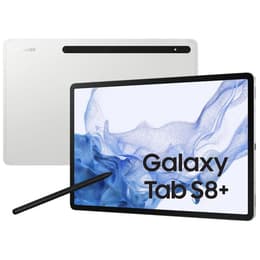
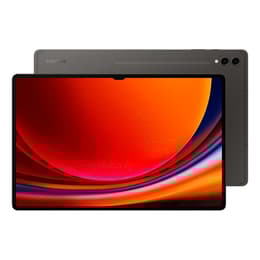
Galaxy Tab S8 (11.0", 2022) vs Galaxy Tab S9 Ultra (14.6", 2023)

Galaxy Tab S8 (11.0", 2022)
Starting at

Refurbished price:A$632.00

Versus A$639.00 new

See options
Galaxy Tab S9 Ultra (14.6", 2023)
Starting at

Refurbished price:A$1,230.00

Versus A$2,645.00 new

See options

The Samsung Galaxy Tab S8, released in early 2022, and the Galaxy Tab S9 Ultra, launched in mid-2023, represent different tiers within Samsung's premium tablet lineup. While both offer a versatile Android experience with S Pen support, the primary differentiators lie in their physical size, display technology, and generational performance upgrades. Both devices run on the Android operating system, providing a consistent software environment.

Scores

Durability

When considering the longevity of these tablets, several factors come into play, including their release dates, software support, and physical construction.

  • Release Timeline: The Galaxy Tab S8 was released in February 2022, making it over a year older than the Galaxy Tab S9 Ultra, which launched in August 2023. This difference in release date directly impacts their remaining software support.
  • Software Support: Samsung typically provides four generations of Android OS updates and five years of security updates for its flagship tablets. The Galaxy Tab S8, launched with Android 12, is expected to receive OS updates until 2026 and security patches until 2027. The Galaxy Tab S9 Ultra, starting with Android 13, will likely receive OS updates until 2027 and security updates until 2028. This means the Tab S9 Ultra offers an additional year of official software support.
  • Durability and Build: Both tablets feature an Armor Aluminum build, contributing to their structural integrity. The Galaxy Tab S9 Ultra, despite its larger and thinner profile, has demonstrated notable resistance to bending in stress tests and features an IP68 rating for dust and water resistance, a feature not present on the Tab S8. The Tab S8 also exhibits a robust build, with user reports indicating good durability over time. Repairability for both devices involves challenges due to adhesive use, particularly for screen removal.

Release year

2022

2023

Compatible with latest Update

Yes

Yes

Operating system

Android

Android

Performance

The performance of these tablets is driven by their respective processors and RAM configurations, impacting how smoothly they handle various tasks.

  • Processing Power: The Galaxy Tab S8 is equipped with a processor from 2022, while the Galaxy Tab S9 Ultra features a newer generation processor optimized for Galaxy devices. This newer processor in the S9 Ultra provides enhanced speed and efficiency, particularly noticeable in demanding applications and multitasking scenarios.
  • Multitasking and Responsiveness: Both tablets offer configurations with ample RAM, allowing for smooth multitasking. The Tab S9 Ultra, with options up to 16GB of RAM, provides more headroom for intensive professional workflows and running numerous applications simultaneously without slowdowns. The Tab S8, with up to 12GB of RAM, also delivers strong performance for everyday use and moderate multitasking.
  • Battery Behavior: The Galaxy Tab S8, with an 8,000 mAh battery, can provide a full day of use for many users, with some tests showing nearly 13 hours of web surfing. The Galaxy Tab S9 Ultra houses a larger 11,200 mAh battery. While it has a larger display to power, user experiences suggest it offers substantial battery life, often lasting multiple days with moderate use. However, some tests indicate around 9.5 hours of video streaming for the S9 Ultra.

Memory (GB)

8 GB

12 GB

Processor

Snapdragon 8 Gen 1

Qualcomm SM8550-AC Snapdragon 8 Gen 2

Screen quality

The visual experience on these tablets differs significantly due to their display technology and physical dimensions.

  • Display Technology and Clarity: The Galaxy Tab S8 features an 11-inch TFT LCD panel with a resolution of 2560 x 1600 pixels. In contrast, the Galaxy Tab S9 Ultra boasts a larger 14.6-inch Dynamic AMOLED 2X display with a resolution of 2960 x 1848 pixels. The AMOLED technology on the S9 Ultra provides deeper blacks, higher contrast, and more vibrant colors compared to the LCD panel of the Tab S8.
  • Size and Viewing Experience: The 11-inch screen of the Tab S8 offers a portable and manageable viewing area, suitable for general media consumption and light productivity. The 14.6-inch display of the Tab S9 Ultra provides a significantly more expansive canvas, enhancing the immersive experience for media, gaming, and professional tasks requiring more screen real estate.
  • Brightness and Refresh Rate: Both tablets feature a 120Hz refresh rate for smooth scrolling and responsiveness. The Tab S9 Ultra offers higher peak brightness, reaching up to 900 nits, which improves visibility in brighter environments, including outdoors. The Tab S8's LCD panel has a peak brightness of around 500 nits, which is sufficient for indoor use but may be less ideal in direct sunlight.

Resolution

1600x2560

1848 x 2960

Pixel density

280ppp

240ppp

Audiovisual

While tablets are not typically primary photography devices, both models offer capable camera systems for video calls and occasional captures.

  • Rear Camera System: The Galaxy Tab S8 includes a dual rear camera setup with a 13MP wide lens and a 6MP ultrawide lens. The Galaxy Tab S9 Ultra also features a dual rear camera system, comprising a 13MP main lens and an 8MP ultrawide lens. Both are capable of capturing decent photos in well-lit conditions, with the S9 Ultra offering a slightly higher resolution ultrawide sensor.
  • Front Camera Performance: For video conferencing, the Tab S8 has a 12MP ultrawide front-facing camera. The Tab S9 Ultra elevates this with a dual front camera system, featuring two 12MP cameras (one wide and one ultrawide), which can provide more flexibility for video calls and selfies. Both offer good quality for video calls, with the S9 Ultra's dual setup potentially offering a wider field of view.
  • Video Recording and Audio: Both tablets support 4K video recording on their main cameras. The Tab S9 Ultra's front cameras also support 4K video. Both devices are equipped with multiple microphones for clear audio during calls and recordings, and multiple speakers tuned for an immersive media consumption experience.

Miscellaneous

Beyond core specifications, several practical features contribute to the overall user experience of these tablets.

  • Connectivity: Both tablets support Wi-Fi 6E for fast wireless internet and Bluetooth 5.2 (Tab S8) or 5.3 (Tab S9 Ultra) for accessory connections. Optional 5G connectivity is available for both, providing mobile data access.
  • Ports and Sensors: Both devices feature a USB-C 3.2 Gen 1 port for charging and data transfer. The Galaxy Tab S8 has a side-mounted fingerprint sensor integrated into the power button. The Galaxy Tab S9 Ultra features an under-display fingerprint sensor. Both come with the S Pen stylus included, offering precise input for notes and creative tasks.
  • Dimensions and Handling: The Galaxy Tab S8 is an 11-inch tablet, weighing 503 grams and measuring 6.3 mm thick, making it relatively portable and comfortable for handheld use. The Galaxy Tab S9 Ultra is a significantly larger device at 14.6 inches, weighing 732 grams and measuring 5.5 mm thick. Its larger size makes it less ideal for one-handed use and more suited for desk-based productivity or media consumption.

Weight

507 oz

129 oz

Screen size (in)

11.0

14.6

Network

Wi-Fi + 5G

Wi-Fi

Carrier compatibility

Unlocked

Unlocked

Connector

USB Type-C

USB Type-C

User feedback for the Galaxy Tab S8 often praises its balanced size, strong performance for an Android tablet, and the inclusion of the S Pen. Many find its 11-inch display to be a good compromise between portability and screen real estate for everyday tasks and media consumption. Criticisms sometimes point to the LCD display not being as vibrant as AMOLED panels found in higher-end models, and some users desire longer battery life for very heavy usage.

The Galaxy Tab S9 Ultra is frequently lauded for its expansive 14.6-inch AMOLED display, which provides an immersive viewing and productivity experience. Users appreciate its powerful performance, robust build with IP68 water resistance, and the enhanced S Pen functionality. Common concerns revolve around its sheer size, which can make it unwieldy for casual handheld use, and its battery life, while substantial, may not always match the expectations set by its large capacity due to the power demands of its massive, bright display.

Users prioritizing a more compact and portable tablet for general use, note-taking, and media consumption will find the Galaxy Tab S8 well-suited to their needs. Its performance remains capable for most applications, and its smaller form factor makes it easier to handle on the go. Conversely, individuals who require a large, immersive display for creative work, extensive multitasking, or an enhanced media experience will likely lean towards the Galaxy Tab S9 Ultra. Its larger screen and more powerful internals cater to a desktop-like experience, especially when paired with accessories. Both tablets offer a quality-assured refurbished option, providing an eco-friendly alternative for those seeking premium features.
See all articles

Our recent comparisons